Termites and Pest Control in Construction Projects
If you’re involved in construction or real estate, you know the importance of protecting structures from pests like termites. Termites can cause significant structural damage if not addressed, making pest control a critical consideration during construction.
What Anti-Termite Treatments Do for Construction
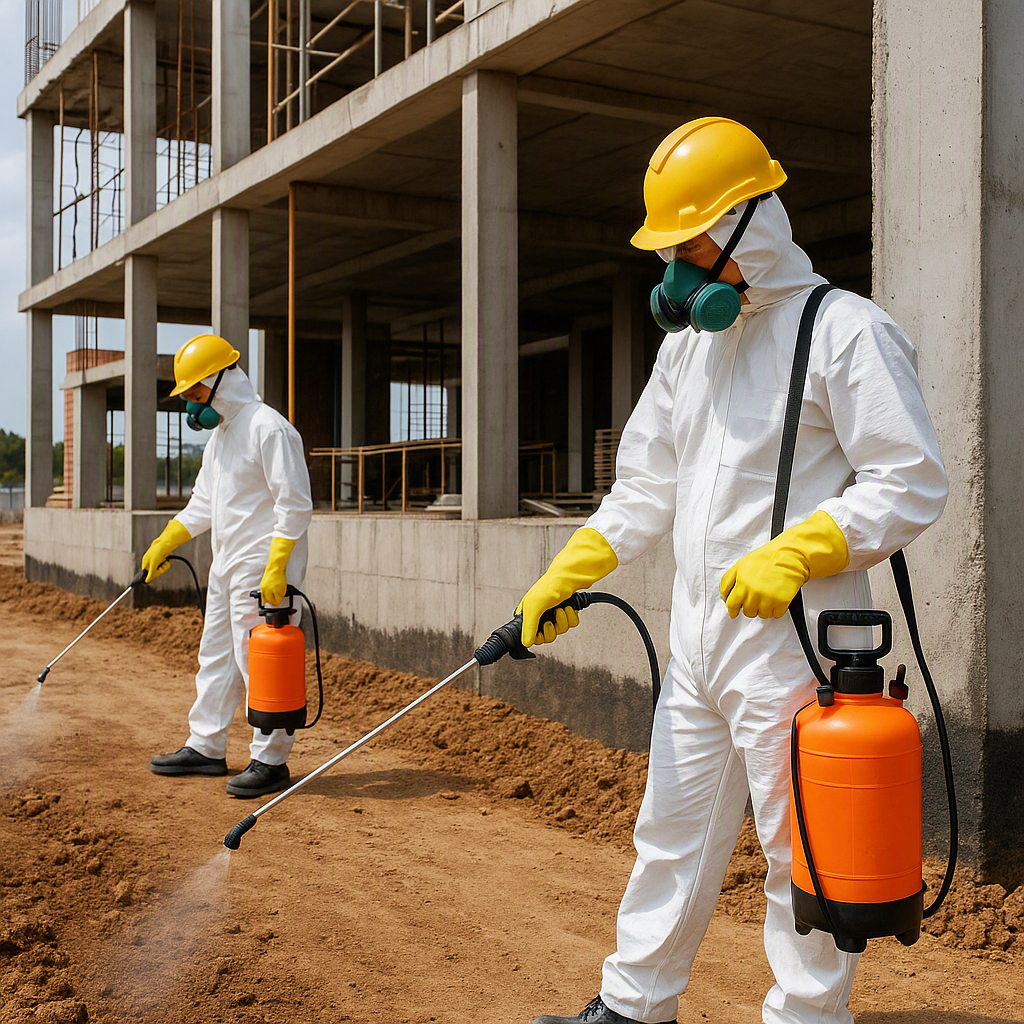
Anti-termite treatments are designed to create a barrier between your building and termites. These treatments are particularly important during the construction phase to prevent termites from accessing wood and other cellulose materials in the structure.
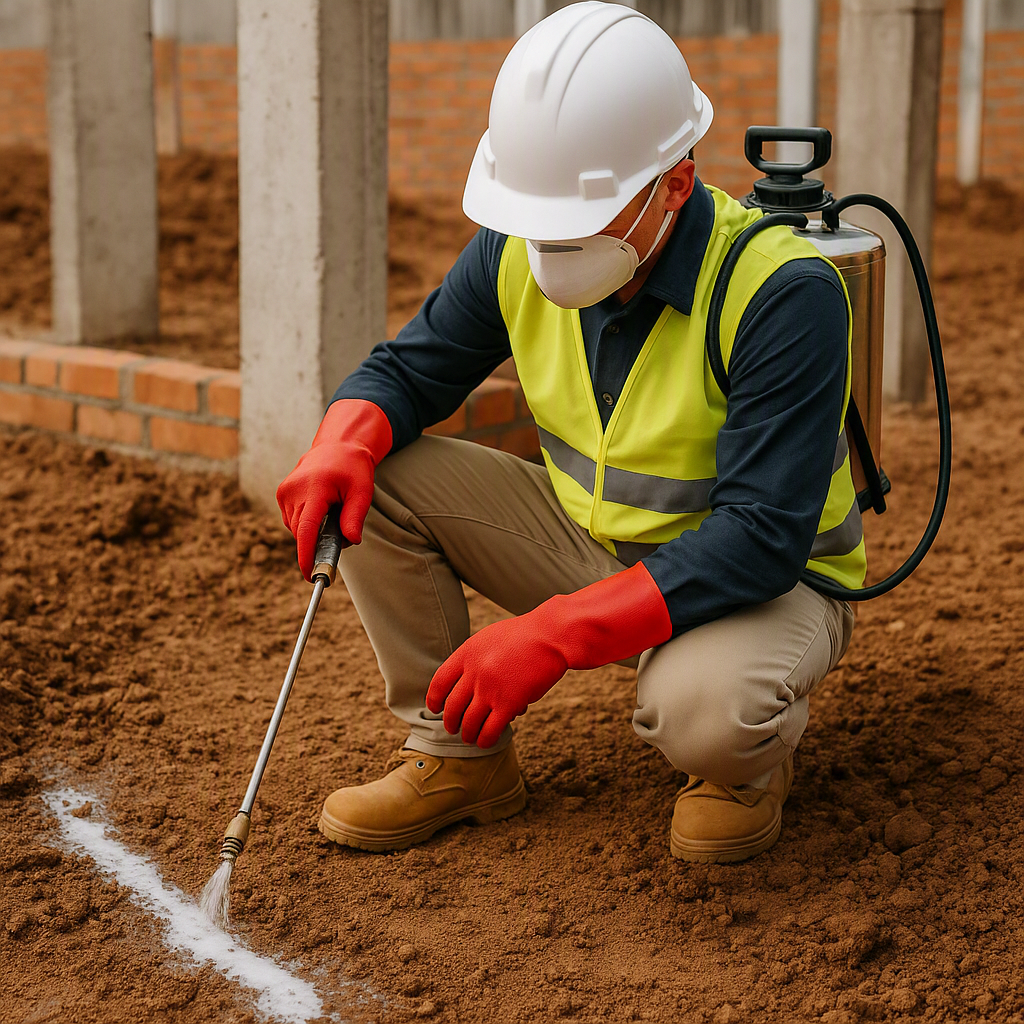
Pre-construction termite treatments involve treating the soil before laying the foundation. This step is crucial because termites live underground and use the soil to reach the building. Treating the soil creates a protective barrier that deters termites.
Integrated Pest Management (IPM) is a strategic approach to pest control that combines:
- Soil treatments during pre-construction.
- Structural barriers like treated wood.
- Long-term monitoring and maintenance.
This comprehensive system helps ensure long-term protection against termites.
Why Skipping This Step Can Be Costly
Ignoring anti-termite treatments during construction can lead to significant repair costs later. Termites often cause damage that isn’t immediately visible, and by the time the problem is discovered, repairs can be extensive and expensive. Additionally, most insurance policies do not cover termite damage, making prevention even more critical.
The National Pest Management Association highlights the widespread impact of termite damage, emphasizing the importance of proactive measures in termite-prone regions.
When to Use Pest Control Services in Construction
Timing is key when implementing pest control measures in construction. Here are the critical stages:
- Before foundation work: Treat the soil to block termites at their source.
- During construction: Use treated wood and install physical barriers to deter termites.
- Post-construction: Schedule regular inspections and maintenance to ensure ongoing protection.
Skipping any of these steps increases the risk of termite infestation and structural damage.
Common Questions About Anti-Termite Treatments
1. How long does termite treatment last?
The duration of termite treatments depends on the materials and methods used. Regular inspections and maintenance are essential to ensure continued effectiveness.
2. Is termite treatment safe for construction workers?
Yes, when performed by trained professionals using modern, safety-focused methods.
3. Can termites infest concrete buildings?
Yes, termites can exploit cracks or gaps in concrete to access wood or other materials inside the structure.
Mistakes to Avoid
- Skipping soil treatment: This is the first line of defense against termites.
- Using untrained technicians: Proper application is essential for effective protection.
- Ignoring post-construction maintenance: Even the best treatments require follow-up to remain effective.
Final Thoughts
Termite prevention is a vital part of construction planning. Anti-termite treatments and Integrated Pest Management strategies are small investments compared to the potential costs of termite damage. Whether you’re starting a new project or maintaining an existing one, proactive pest control measures are essential to protect your investment.