Why IPM is Important for Termite Control in Construction
Termites don’t care if your building is new or old. They’re opportunists, and if you don’t plan for them during construction, you’re increasing the risk of future damage. Integrated Pest Management (IPM) offers a systematic approach to pest control that focuses on prevention, monitoring, and targeted treatment. For new construction projects, this method can help reduce the likelihood of termite infestations and the associated costs of remediation.
Let’s explore how to implement IPM effectively for termite control during construction.
Step 1: Start with a Pre-Construction Soil Treatment
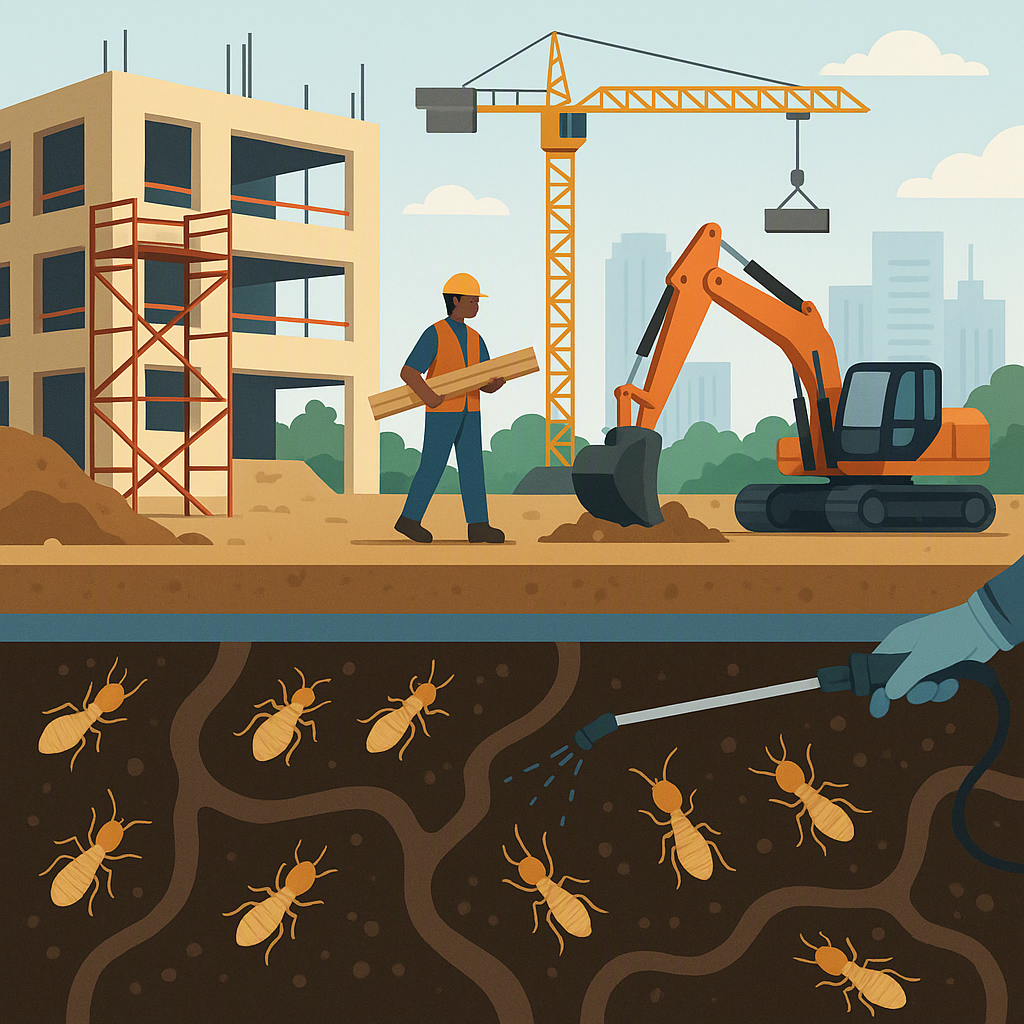
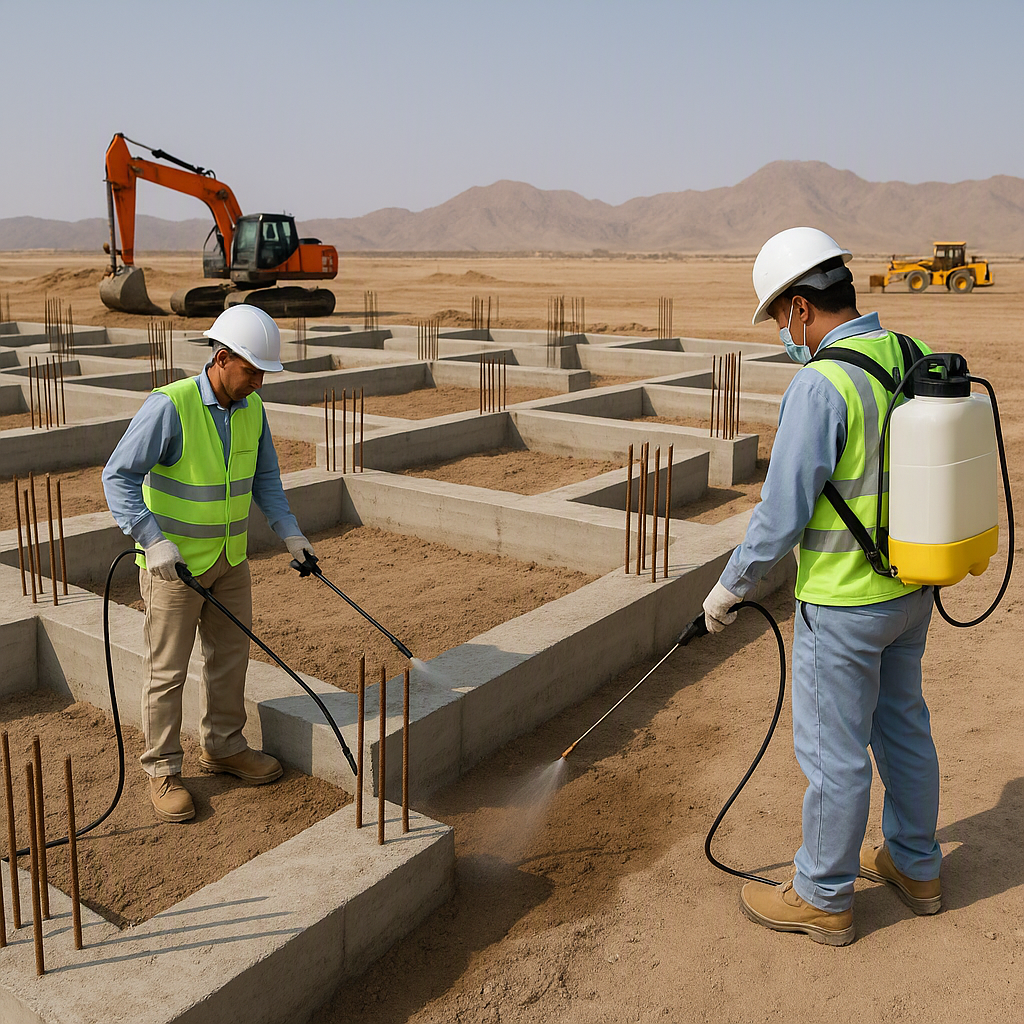
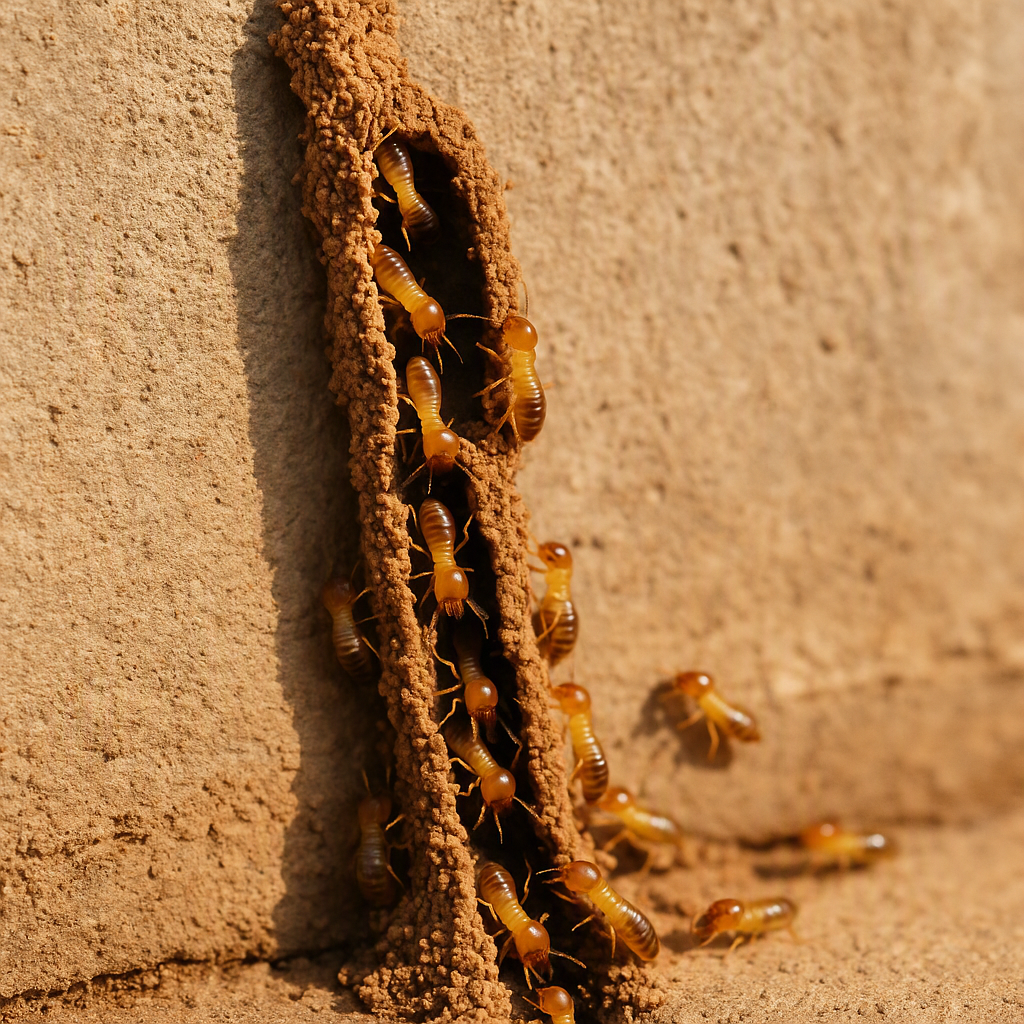
One of the pillars of IPM for termite control is treating the soil before construction begins. Subterranean termites live in the soil and build mud tubes to access your building. Ignoring this step increases the risk of infestation.
Here’s what is generally recommended:
- Clear the Site: Remove tree stumps, roots, and wood debris from the site. These materials attract termites and can serve as a food source.
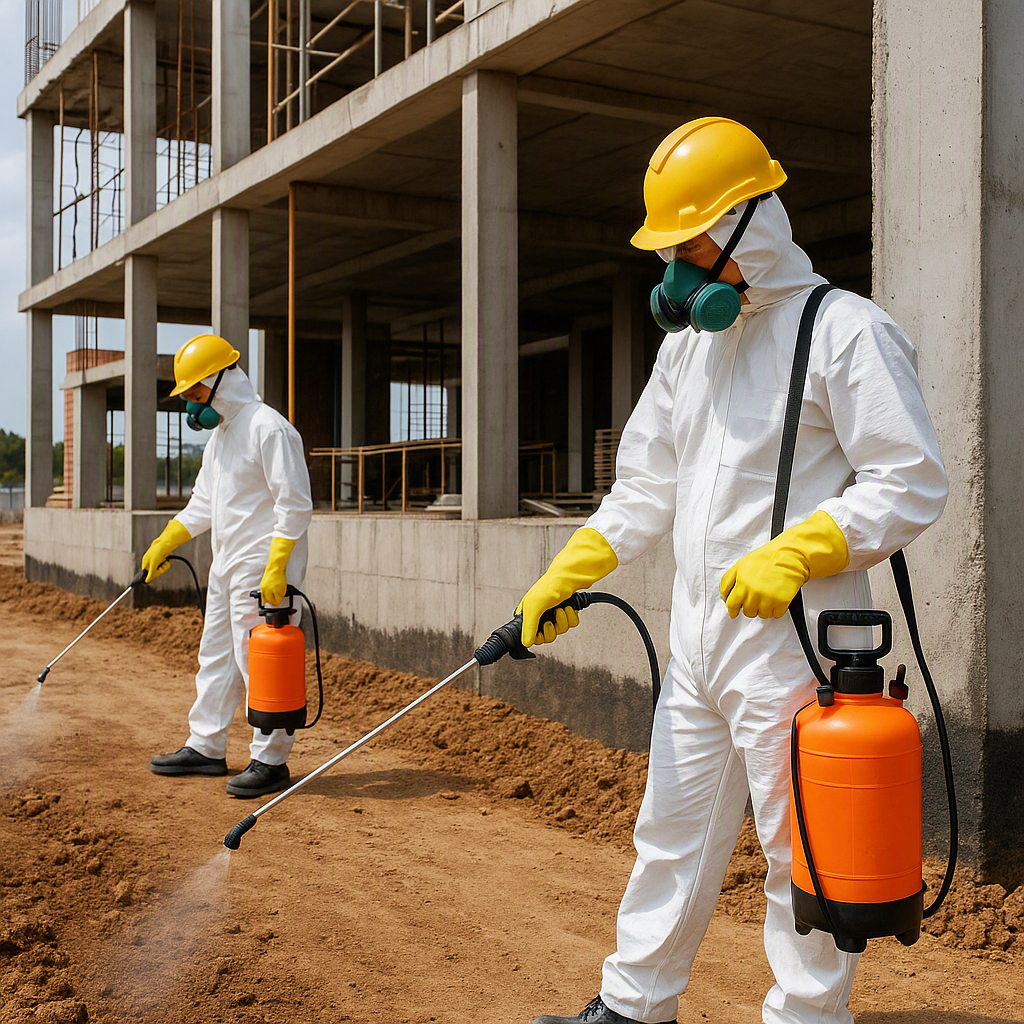
- Apply a Termiticide: Treat the soil with a termiticide to create a protective chemical barrier. This helps prevent termites from reaching your foundation.
- Seal Vulnerable Areas: Pay extra attention to foundation walls, plumbing, and expansion joints, as these are common entry points for termites.
Using high-quality materials and ensuring proper application is critical to the effectiveness of this step. A poorly executed treatment can leave gaps in protection, which termites can exploit.
Step 2: Design the Building to Minimize Termite Risks
Good design isn’t just about aesthetics; it can also help with pest management. Here are some practical ways to termite-proof your building design:
- Use Termite-Resistant Materials: Opt for treated wood or non-wood materials like concrete and steel wherever possible.
- Elevate Wooden Structures: Keep wooden parts of the building at least 18 inches above ground level to avoid contact with soil.
- Proper Drainage: Poor drainage can lead to moisture buildup, which attracts termites. Ensure there’s proper grading and drainage systems in place.
A well-designed building can serve as your first line of defense against termites.
Step 3: Implement Monitoring Systems
Prevention is essential, but it’s not foolproof. That’s why monitoring is a core part of IPM. Here’s how to do it:
- Install Bait Stations: Place termite bait stations around the perimeter of the building. These can help detect termite activity early.
- Schedule Regular Inspections: Proactive inspections by trained technicians can identify issues before they escalate.
- Train Your Team: Educate your maintenance or property management team on signs of termite activity, such as mud tubes or discarded wings.
Monitoring helps catch problems early and provides peace of mind that your building is protected.
Step 4: Use Targeted Treatments as Needed
If termite activity is detected, the IPM approach focuses on targeted treatments rather than widespread chemical applications. Here’s what that looks like:
- Localized Applications: Treat only the affected areas to minimize environmental impact.
- Choose the Right Products: Use termiticides that are effective and environmentally safe.
- Follow Up: After treatment, monitor the area closely to ensure the termites are eliminated.
Working with professionals can ensure that treatments are applied effectively and efficiently.
Common Mistakes to Avoid
Even the best plans can go wrong if you’re not careful. Here are some pitfalls to watch out for:
- Skipping Pre-Construction Treatment: Once the building is up, it’s much harder to address termite issues.
- Using Low-Quality Materials: Inferior termiticides or untreated wood can increase the risk of infestation.
- Ignoring Maintenance: IPM requires regular inspections and monitoring to remain effective.
FAQ
1. How long does a pre-construction termite treatment last?
The longevity of a pre-construction termite treatment depends on factors such as the quality of the materials used and the application process. Regular monitoring is essential to ensure the barrier remains effective.
2. Can I skip the soil treatment if I use concrete foundations?
No. Termites can still find their way through cracks in concrete or around plumbing. Soil treatment provides comprehensive protection.
3. What’s the cost of implementing IPM?
Costs vary depending on the size of the project and the materials used. While there is an upfront investment, it is generally less expensive than repairing termite damage later.
4. Can IPM help with existing buildings?
Yes. While this article focuses on new construction, IPM is also effective for managing and preventing termites in existing structures.
5. How do I find a reliable termite control company?
Look for companies with a solid reputation, skilled technicians, and clear warranties. Research customer reviews and ask for references.
Final Thoughts
Integrated Pest Management is a systematic and proactive approach to termite control that is essential for new construction projects. By addressing termite risks through pre-construction soil treatments, thoughtful building design, monitoring systems, and targeted treatments, you can significantly reduce the likelihood of termite infestations.
If you’re planning a project and want to ensure it’s protected against termites, consider consulting professionals who specialize in IPM strategies.