Why Termites Are a Bigger Problem Than You Think
If you're in construction or real estate, you've probably had this thought: "We'll just treat the soil before laying the foundation—that should handle any termite issues, right?" I used to think the same. After all, pre-construction soil treatment is the industry standard. But then I saw projects where termites showed up just a few years after completion—despite following all the usual protocols.
What went wrong? Poor planning, oversights, and a lack of comprehensive strategy. Termites are relentless. They only need a tiny gap to infiltrate, and once they're in, the damage can be catastrophic. I’ve seen them chew through expensive wooden supports and flooring in buildings that were supposed to be “protected.”
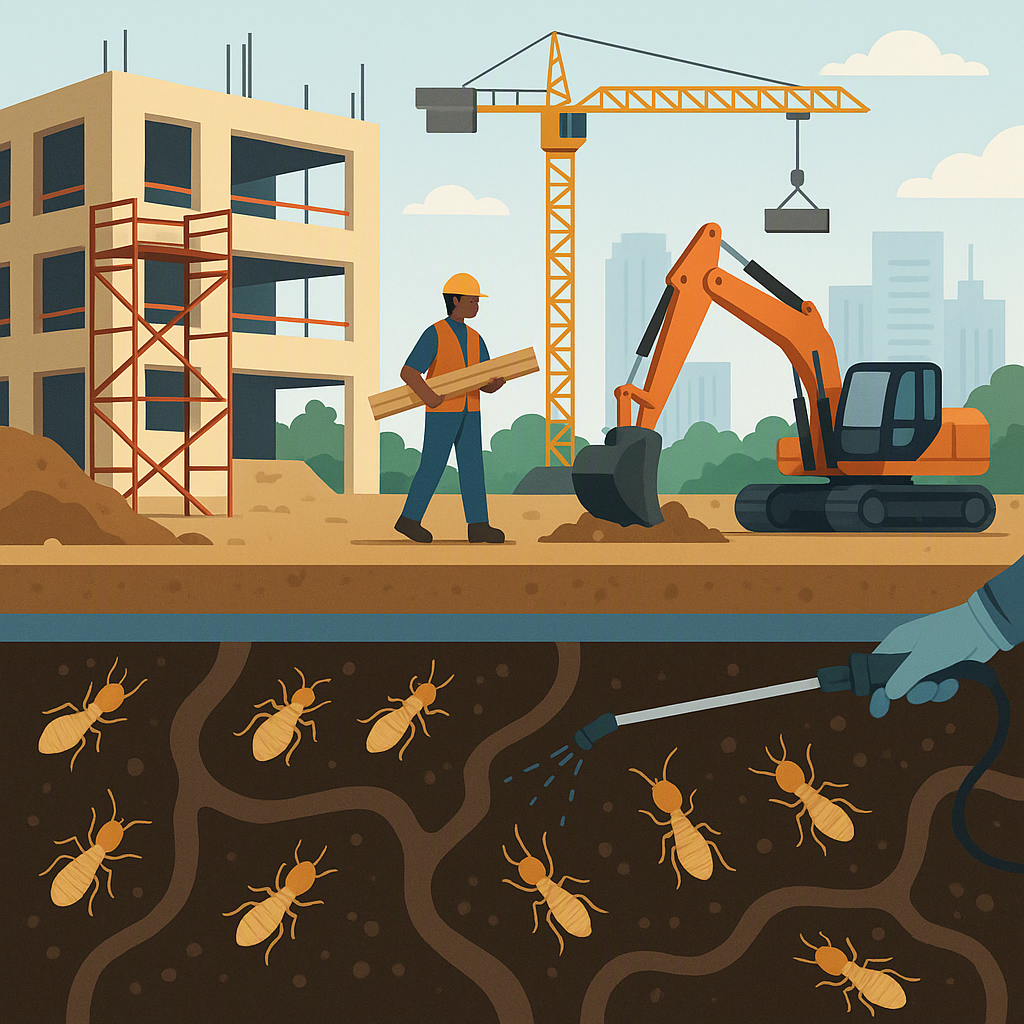
In this article, we'll go over why termites are a bigger problem than you think, the importance of implementing Integrated Pest Management (IPM), and actionable steps to proactively protect your projects.
The Game Changer: Integrated Pest Management (IPM)
Here’s what changed my perspective: Integrated Pest Management. IPM isn't just about spraying chemicals and hoping for the best. It’s a methodical, multi-step approach designed to address the root causes of termite infestations and prevent them from happening in the first place. It works especially well for large construction projects, where the stakes are high and the cost of failure is massive.
By adopting IPM principles, you shift from a reactive approach (dealing with termites after they’ve already caused damage) to a proactive strategy that minimizes risks from day one. Here’s a detailed breakdown of the IPM process:
1. Inspection and Risk Assessment
Think of this as the foundation for everything that follows. A thorough inspection identifies vulnerabilities before construction even begins. Here’s how to do it:
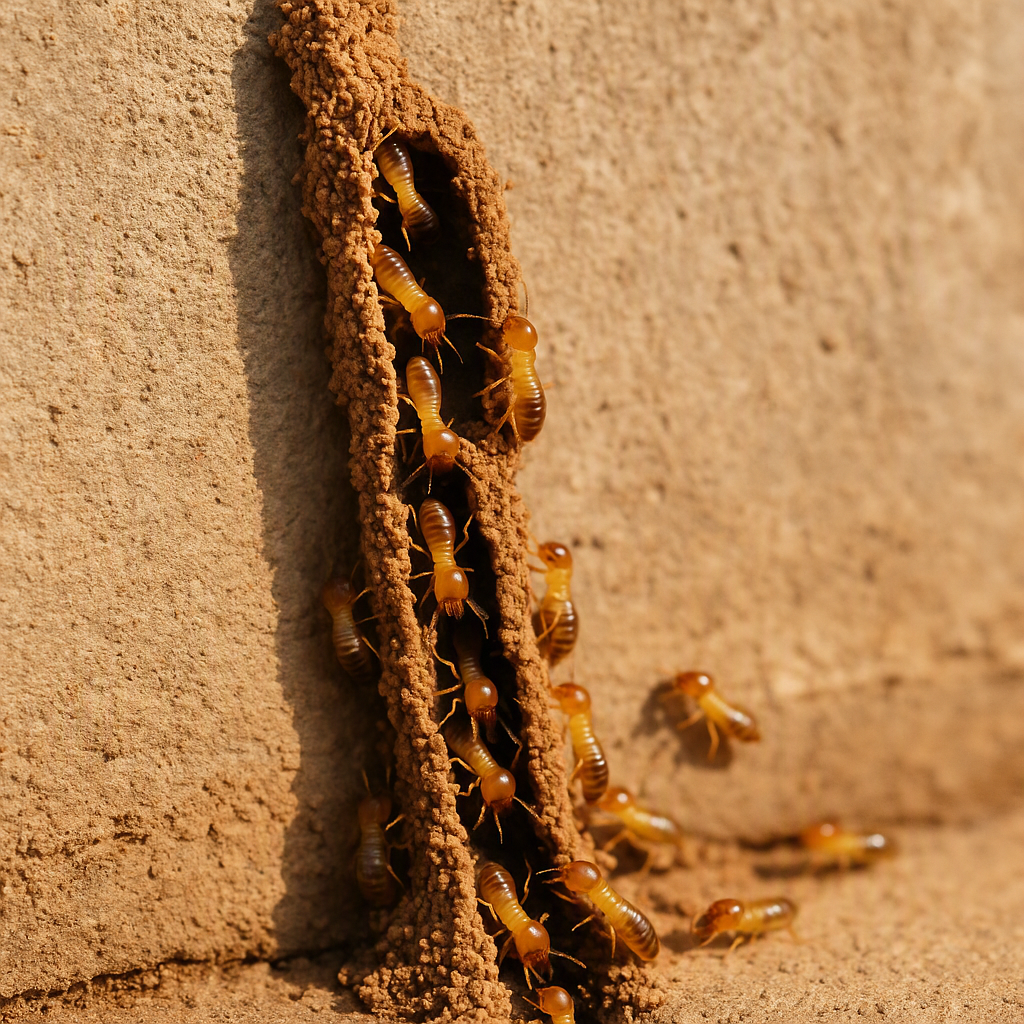
- Survey the site: Look for signs of termite activity, such as mud tubes, hollow-sounding wood, and live termites. Pay special attention to nearby trees, stumps, or areas with high moisture.
- Assess environmental factors: Soil type matters. Sandy soils are less attractive to termites compared to loamy or clay-heavy soils. Additionally, high moisture or poor drainage increases the risk of infestation.
- Document findings: Take detailed notes and photographs. This will help in creating a tailored treatment plan.
Actionable Tip: Use tools like moisture meters and thermal imaging cameras to detect hidden risks. These tools can reveal termite-friendly conditions that aren't immediately visible.
2. Tailored Treatment Plan
Once risks are identified, the next step is to create a treatment plan that addresses the specific needs of the site. A one-size-fits-all approach won’t cut it here.
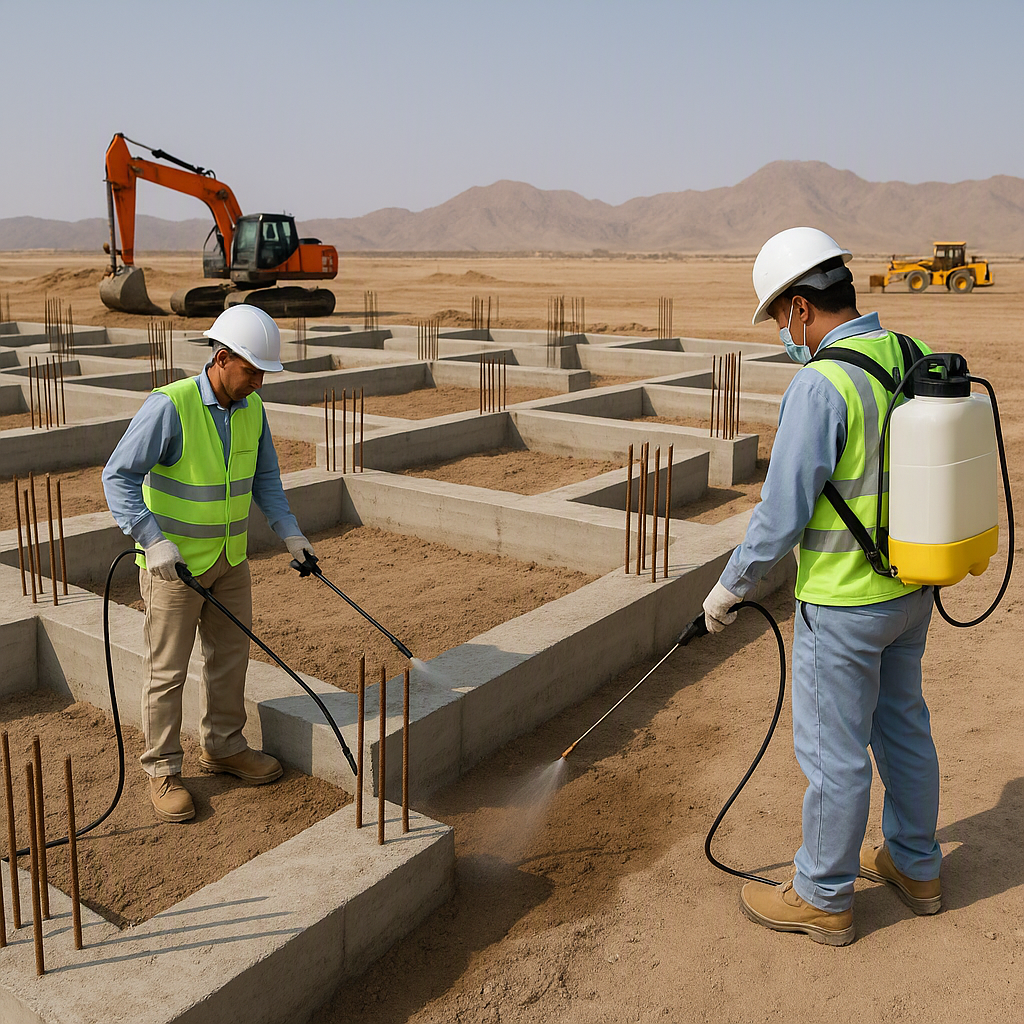
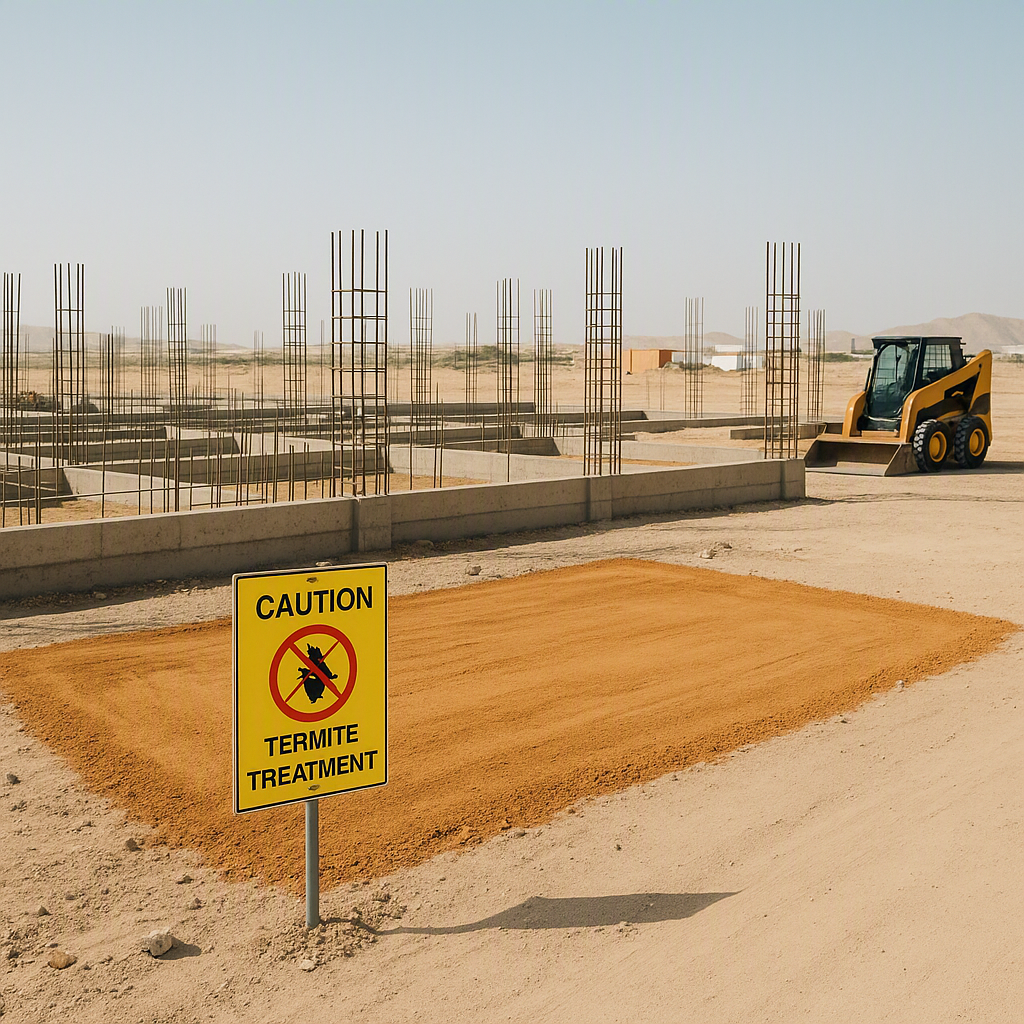
- Soil treatment: Apply termiticides to the soil before construction begins. Ensure the chemical barrier is applied uniformly and at the recommended depth.
- Physical barriers: Use stainless steel mesh, sand barriers, or plastic sheeting impregnated with termiticides under the foundation to prevent termites from gaining access.
- Baiting systems: In areas where chemical use is restricted (e.g., near water sources), install bait stations around the property’s perimeter. These systems attract termites and eliminate colonies gradually.
Comparison:
| Method | When to Use | Pros | Cons |
|---|---|---|---|
| Soil Treatment | Most construction projects | Cost-effective, long-lasting protection | Can leach into surrounding areas |
| Physical Barriers | High-risk areas, like coastal zones | Long lifespan, chemical-free | Higher upfront costs |
| Baiting Systems | Eco-sensitive zones | Minimal environmental impact | Slower to show results |
Actionable Tip: Always consult a licensed pest control professional to ensure treatments are applied correctly. Improper application can render even the best materials useless.
3. Use of High-Quality Materials
Cutting corners on materials is a common mistake that often leads to costly repercussions. Not all termiticides or physical barriers are created equal. Here’s what you should prioritize:
- Termiticides: Opt for products that offer long-term efficacy and are approved by regulatory bodies. Look for warranties of at least 5–10 years.
- Physical barriers: Choose corrosion-resistant materials that can withstand harsh environmental conditions.
- Construction materials: Where possible, use termite-resistant wood (e.g., teak, cedar) or chemically treated timber.
Actionable Tip: Ask suppliers for performance data or case studies on the materials you’re purchasing. This ensures you’re investing in proven solutions.
4. Ongoing Monitoring
This is where many projects fail. Even the best preventative measures can degrade over time, especially in areas with high termite pressure. Regular monitoring allows you to address infestations before they escalate.
- Set a schedule: Conduct inspections every 6–12 months.
- Use technology: Electronic termite detection systems can provide real-time updates on termite activity.
- Act quickly: If termites are detected, implement corrective actions immediately.
Actionable Tip: Keep a log of all monitoring activities. This documentation can be invaluable in identifying trends or recurring issues.
Why IPM Matters in Large Construction Projects
For large construction projects, the stakes are higher. A single mistake can jeopardize millions in investment and years of work. IPM is particularly valuable because:
- It’s proactive: Instead of waiting for termites to cause damage, it works to prevent infestations from happening.
- It’s flexible: Whether you’re dealing with a high-rise in Muscat or a sprawling villa complex, IPM adapts to the specific challenges of the site.
- It’s environmentally responsible: No one wants to harm the surrounding ecosystem, especially when building in areas close to nature.
The Cost of Getting It Wrong
Here’s a hard truth: Skipping proper termite management is a gamble you’re unlikely to win. I’ve seen projects where inadequate termite control led to:
- Structural damage: Termites can hollow out wooden beams, making them weak and unsafe.
- Expensive repairs: Replacing damaged materials can cost thousands, if not millions, depending on the project size.
- Reputational damage: For developers, a poorly managed infestation can lead to lawsuits, lost clients, and damage to your brand.
Actionable Tip: Think of termite control as an investment, not an expense. The upfront cost of IPM is a fraction of what you’ll pay for post-infestation repairs.
Common Mistakes to Avoid
- Skipping the Inspection: Don’t assume anything. Even a seemingly clean site can have hidden risks.
- Choosing the Cheapest Option: Low-quality materials and treatments might save you money upfront, but they’ll cost you down the line.
- Ignoring Maintenance: A one-time treatment isn’t enough. Regular monitoring is crucial.
FAQ: Termite Control in Construction
Q1: How much does termite prevention add to construction costs? A: It varies depending on the project size and methods used. As a rule of thumb, termite prevention typically adds 0.5–1% to overall construction costs. However, the cost of repairs from an infestation can exceed 10–20% of the project’s value.
Q2: Are there eco-friendly termite control options? A: Yes, baiting systems use minimal chemicals and are considered environmentally friendly. Additionally, physical barriers like stainless steel mesh are chemical-free options.
Q3: How long does a pre-construction soil treatment last? A: High-quality termiticides can last 5–10 years, depending on soil conditions and application quality. Regular monitoring is still essential.
Q4: What are the signs of a termite infestation? A: Look for mud tubes, hollow-sounding wood, discarded wings near windows or doors, and frass (termite droppings that look like sawdust).
Q5: Can termites penetrate concrete? A: Termites can’t chew through concrete, but they can exploit cracks as small as 1/32 of an inch to access wood or other cellulose materials.
Final Thoughts
Termite control in large construction projects is a long game. It’s about prevention, not just treatment. Integrated Pest Management is the approach that works because it looks at the big picture, combining thorough inspections, tailored treatments, high-quality materials, and ongoing monitoring.
If you're starting a new project or dealing with an existing infestation, our anti-termite treatment can help ensure your project stays termite-free. Learn more about our services →