Termites Don’t Knock—They Invade Quietly
If you’re waiting for termites to announce their presence, you’re in for a rude awakening. These pests are silent intruders, often causing significant damage before you even know they’re there. Whether you’re managing a construction project or protecting an existing building, early detection is your best defense. The earlier you spot termite activity, the easier (and cheaper) it is to deal with.
This guide will walk you through the top signs of termite activity, actionable steps to prevent infestations, and the best ways to handle an active problem. Plus, we’ll answer common questions about tackling termites in regions like Oman, where the climate makes properties especially vulnerable.
1. Mud Tubes on Walls or Foundations
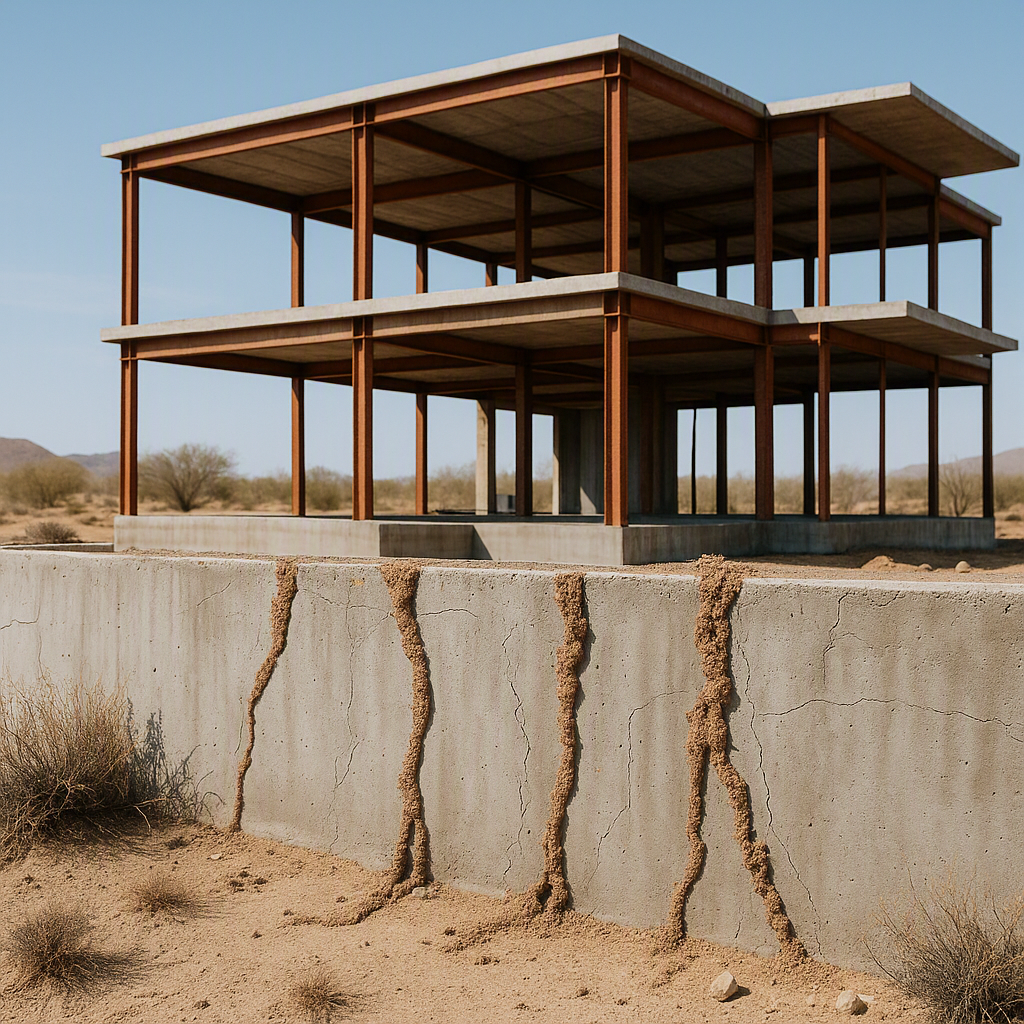
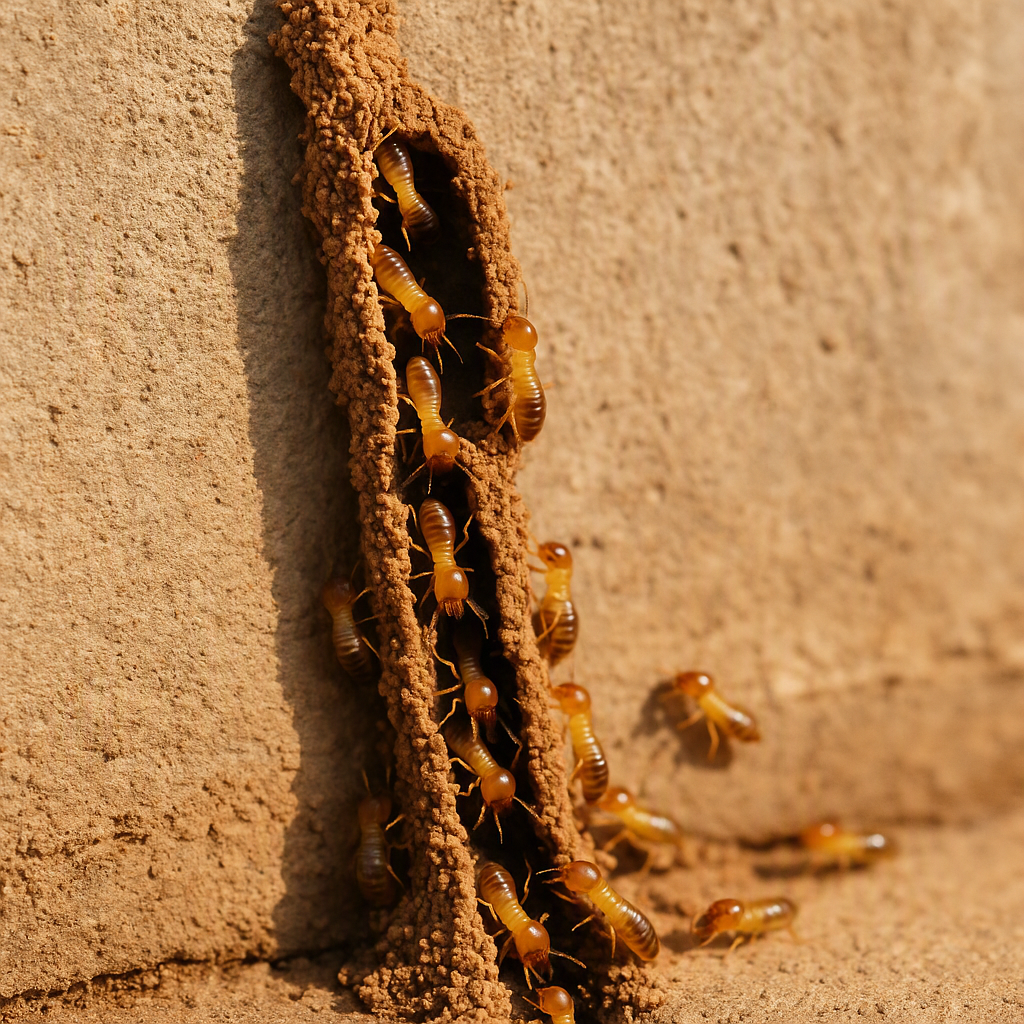
Mud tubes are like highways for termites. Subterranean termites, the most common type, build these pencil-thin tunnels to travel between their underground nests and their food source—often the wood in your building. These tubes protect termites from predators and prevent them from drying out in the open air.
How to Spot and Handle Mud Tubes
- Where to look: Inspect the foundation of your property, exterior walls, crawl spaces, or wooden beams. Pay special attention to areas where wood meets soil, as these are prime entry points for termites.
- What to do if you find one: Break the tube open. If it’s active, you’ll see live termites inside. If it’s inactive (no termites inside), don’t relax just yet—they may have moved deeper into your property.
- Next steps: Contact a professional pest control service immediately. Mud tubes, active or not, are a clear sign of a termite problem.
Pro Tip: Schedule regular inspections, especially in areas prone to termite activity. For example, in Muscat, Oman, many pest control services (like ours) offer free inspections to help detect termite issues before they escalate.
2. Hollow-Sounding Wood
Termites are sneaky eaters. They consume wood from the inside out, leaving only a thin outer shell. This is why you might not notice damage until it’s extensive.
How to Test for Hollow Wood
- Tap test: Lightly knock on wooden beams, skirting boards, door frames, or furniture. If it sounds hollow or feels unusually weak, termites could be the culprits.
- Physical signs: Look for blistering or peeling paint, as these often indicate that termites have eaten through the wood and are just below the surface.
What to Do If You Suspect Hollow Wood
- Don’t ignore it: Even if you only find one suspicious spot, call a professional. Termites rarely operate alone, and that one spot could be the tip of the iceberg.
- Prevent further damage: Avoid disturbing the area too much. Damaging the wood further can make it harder for professionals to assess the full extent of the infestation.
3. Swarmers or Discarded Wings
Swarmers are the winged reproductive members of a termite colony. Their sole purpose is to mate and start new colonies. They’re most active during warmer months and are often attracted to light sources.
How to Identify and Handle Swarmers
- Spotting swarmers: Look for small, dark-colored insects flying around lights or windows. They might resemble flying ants but are slightly different in shape.
- Discarded wings: After mating, swarmers shed their wings. Piles of these wings near windowsills, doorways, or light fixtures are a clear sign of termite activity.
Why Swarmers Matter
Swarmers don’t cause damage themselves, but their presence signals a mature colony nearby. Ignoring swarmers is like ignoring smoke—it’s only a matter of time before you find the fire.
4. Blisters in Wood or Flooring
Blisters or uneven spots in wood and flooring often get mistaken for water damage. However, subterranean termites can cause similar effects by creating moisture as they consume wood.
How to Diagnose Wood Blisters
- Inspect the surface: Look for bubbling, warped wood, or areas that feel spongy underfoot.
- Rule out water damage: If you can’t find a source of moisture (like a leak or spill), there’s a good chance termites are to blame.
What to Do Next
- Call an expert: Diagnosing the issue correctly is critical. A professional can confirm whether termites or moisture are causing the damage.
- Prevent further issues: Fixing the damaged area is important, but it won’t stop termites. You’ll need a comprehensive treatment plan to eliminate the colony and protect your property.
5. Unexplained Cracks in Walls or Ceilings
Termites eat through wooden supports, compromising the structural integrity of a building. Over time, this can result in cracks in walls, ceilings, or even foundations.
How to Spot Termite-Related Cracks
- Location matters: Cracks near windows, doors, or in the foundation are particularly concerning.
- Look for patterns: Termite-related cracks often appear in irregular, zigzag patterns rather than straight lines. Also, consider if you’ve noticed any other signs of termites (e.g., mud tubes or hollow wood) in the same area.
What to Do About Cracks
- Consult a professional: A structural engineer or pest control expert can determine if termites are the cause.
- Act fast: Structural damage from termites can worsen quickly, leading to costly repairs or even safety hazards.
What You Can Do to Prevent or Stop Termite Damage
Termites don’t wait, and neither should you. Early action is critical. Here’s what you can do:
1. Schedule Regular Inspections
- Frequency: At least once a year, or every six months in high-risk areas like Oman.
- Why it matters: Inspections help catch infestations early, minimizing damage and repair costs.
2. Invest in Integrated Pest Management (IPM)
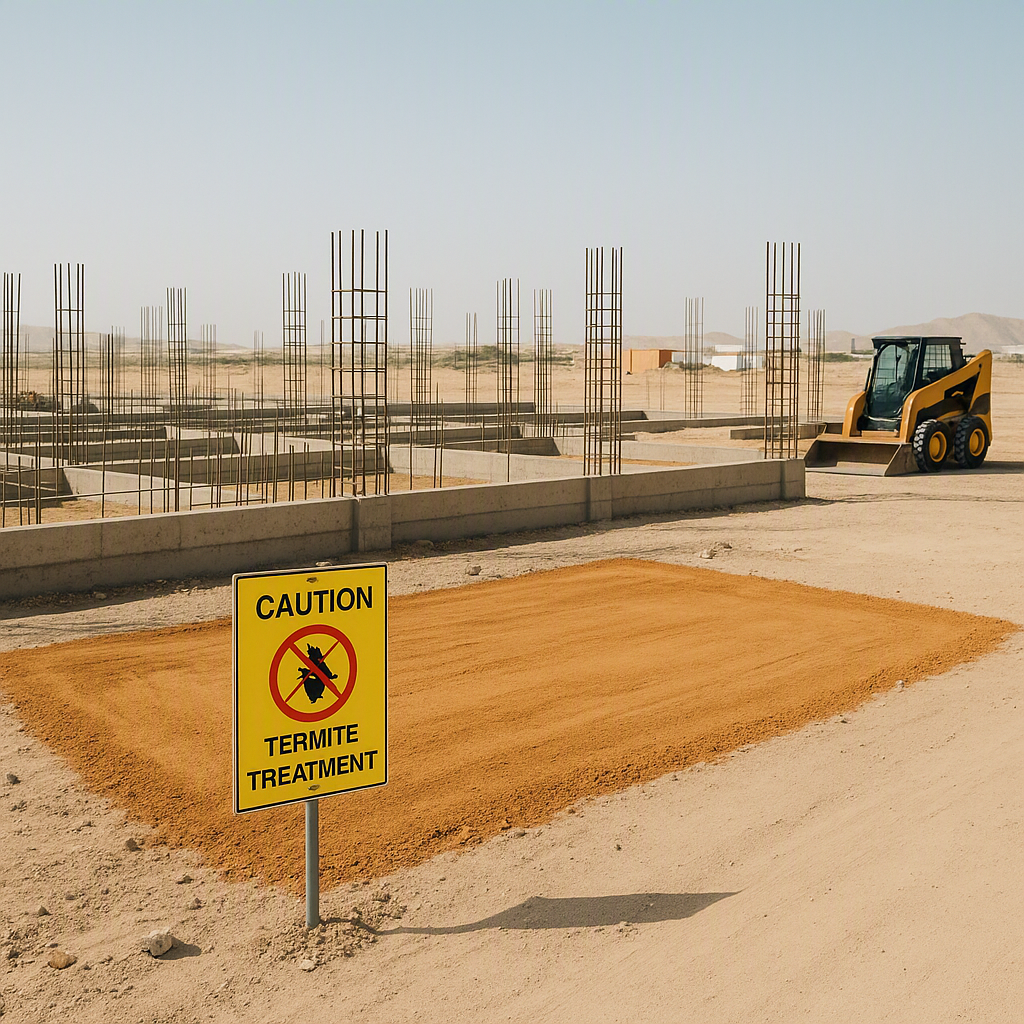
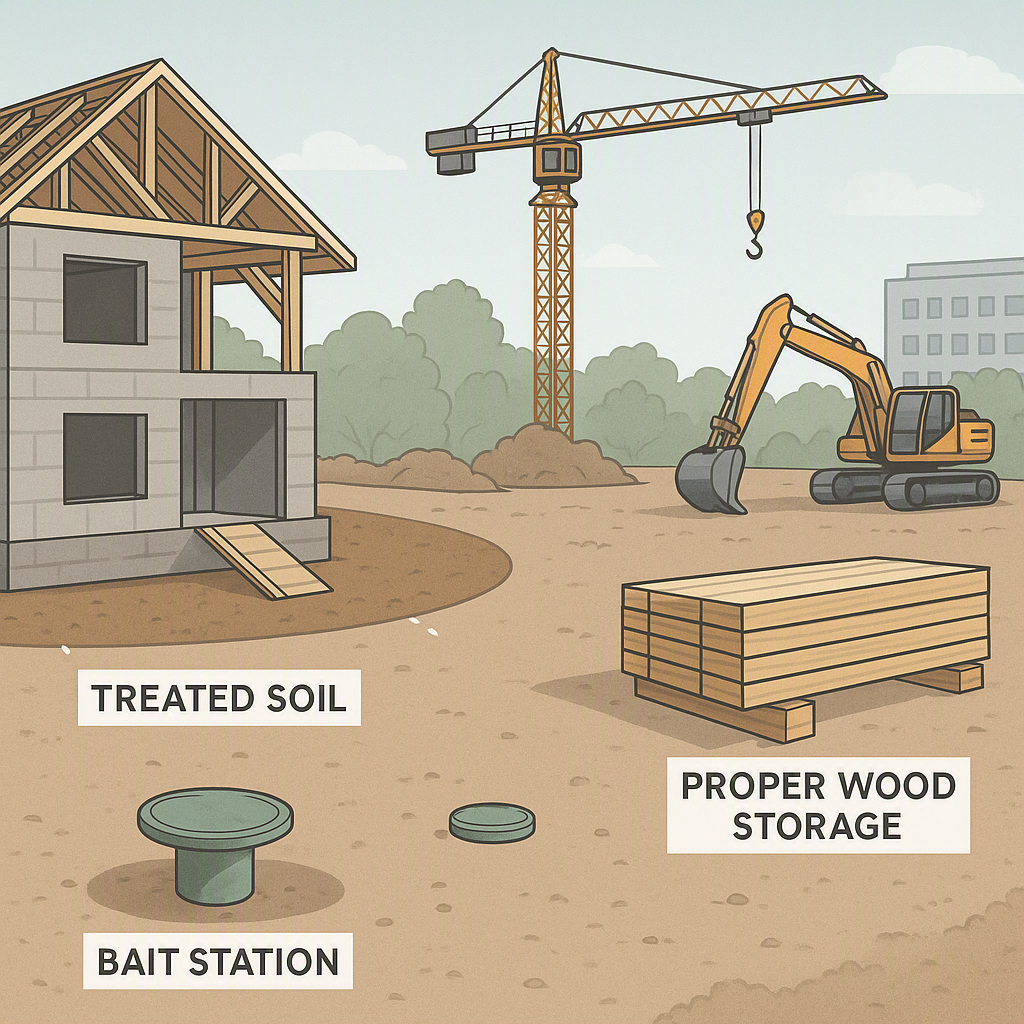
- What it is: IPM combines multiple strategies to create an environment that’s hostile to termites. This includes treating soil during construction, using physical or chemical barriers, and ongoing maintenance.
- Example: Soil treatments before laying a foundation can keep termites at bay for years. Many buildings in Oman that use IPM remain termite-free for over a decade.
3. Act Immediately on Signs of Infestation
- Why it’s critical: Termites don’t take breaks. Delaying treatment gives them more time to cause damage.
- Professional help: DIY solutions won’t cut it. Professional-grade treatments are necessary to eliminate the entire colony and prevent recurrence.
FAQ: Common Questions About Termites
Q: How often should I have my property inspected?
A: Ideally, once a year. In high-risk areas like Oman, every six months is better. Regular inspections help catch termites early, saving you time and money.
Q: Can I handle termites myself?
A: DIY solutions are temporary and often ineffective. To fully eliminate termites, you need professional-grade treatments that target the colony and prevent future infestations.
Q: What makes Oman particularly vulnerable to termites?
A: Oman’s warm, humid climate is perfect for termites to thrive. The combination of high moisture levels and widespread use of wood in construction creates ideal conditions for infestations.
Q: What’s the best time of year to treat for termites?
A: Termites are active year-round in warm climates like Oman. However, swarmers are most visible during the warmer months, making spring and summer ideal for inspections and treatments.
Q: How long does a termite treatment last?
A: Most professional treatments last 5-10 years, depending on the method used. Regular maintenance and inspections can extend the protection.
Comparison Table: Termite Treatment Options
| Treatment Method | Duration of Protection | Best For | Considerations |
|---|---|---|---|
| Soil Treatment | 5-10 years | New construction | Must be applied before foundation work. |
| Chemical Barriers | 5+ years | Existing structures | Requires professional application. |
| Baiting Systems | Ongoing | Monitoring and prevention | Needs regular maintenance. |
| Physical Barriers (e.g., mesh) | 10+ years | Long-term prevention | Best for new builds. |
Don’t Wait for Damage—Act Now
If you’ve noticed any of these signs—or simply want to prevent termites—don’t wait. Termites are relentless, but with the right approach, you can protect your property. Professional termite control services provide tailored solutions, from inspections to treatments with warranties of up to 10 years.