Top 5 Signs Your New Construction Could Already Have Termites
New construction. Fresh paint, shiny finishes, the smell of freshly cut wood. It’s easy to assume it’s safe from termites because, well, everything’s brand new, right? Wrong.
Here’s the truth: termites don’t care if your building is old or freshly built. They’re opportunists. And if the right conditions are there, they’ll move in before you even do. Here are five signs that termites might already be making themselves at home in your new project—and what you can do about it.
1. Mud Tubes in Hidden Corners
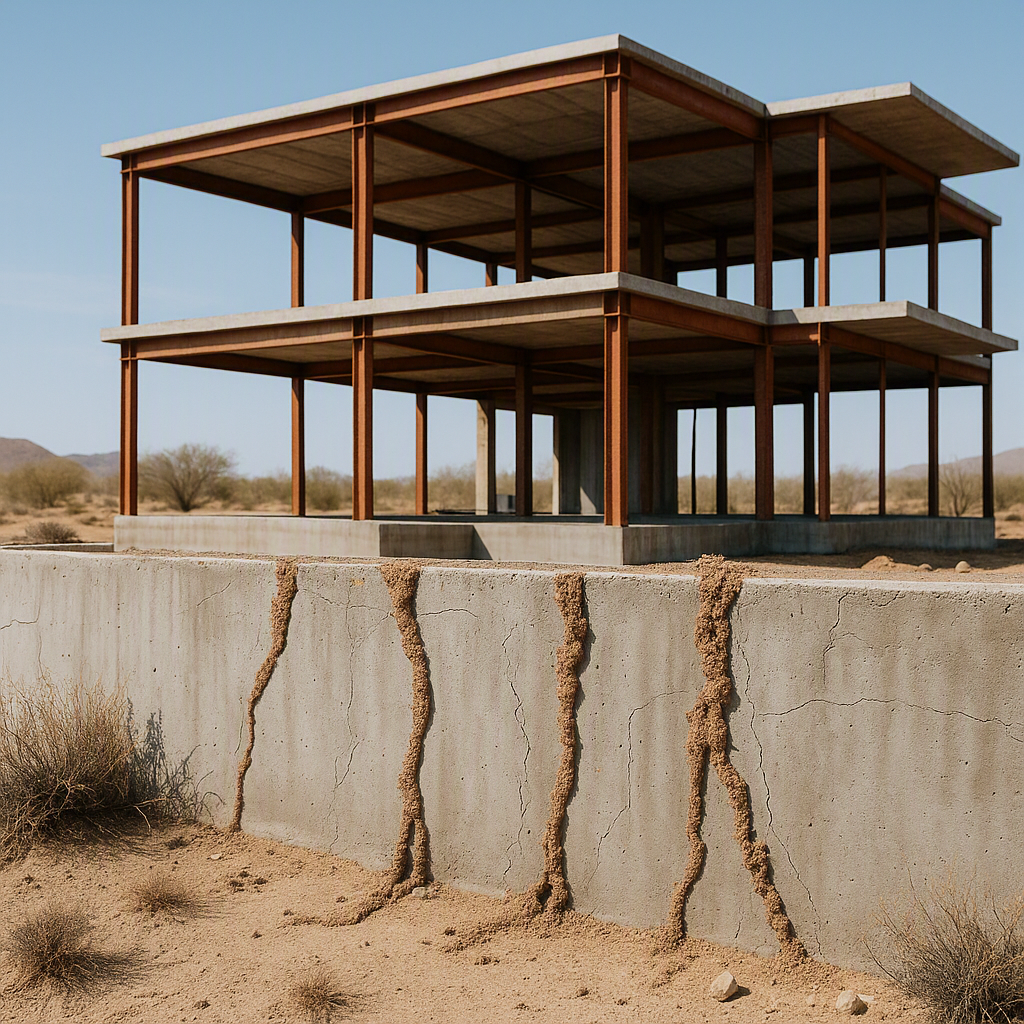
Termites don’t like to wander out in the open. They build mud tubes to stay protected while traveling between their colony and their food source (aka your building). These pencil-thin tunnels are often found along foundation walls, basement corners, or behind utility conduits. If you spot these, don’t ignore them.
Why do termites build mud tubes? It’s all about survival. Termites are soft-bodied insects that are sensitive to light and dehydration. Mud tubes provide a safe, humid environment for them to travel undetected.
How to Inspect and Act:
- Inspect the perimeter: Walk around the exterior of your building and look for mud tubes along the foundation, especially in shaded or hidden areas.
- Check crawl spaces: If your building has a crawl space, examine the beams and walls for any mud tubes.
- Test the tube: Break a small section of the mud tube. If termites are active, you’ll see them inside. If the tube remains uninhabited, it doesn’t mean you’re in the clear—termites may have moved to another location.
- Next steps: If you find termites, contact a professional pest control service immediately to assess the extent of the infestation and treat the problem.
2. Hollow-Sounding Wood
Knock on any exposed wood in the building—door frames, window sills, even temporary wooden supports left behind. If it sounds hollow, termites may already be tunneling inside.
This is one of the most common signs of a termite infestation. Termites consume wood from the inside out, leaving behind a thin layer that makes the wood appear intact but structurally weak. They focus on cellulose, the main component of wood, and often target areas that are moist or untreated.
How to Prevent It:
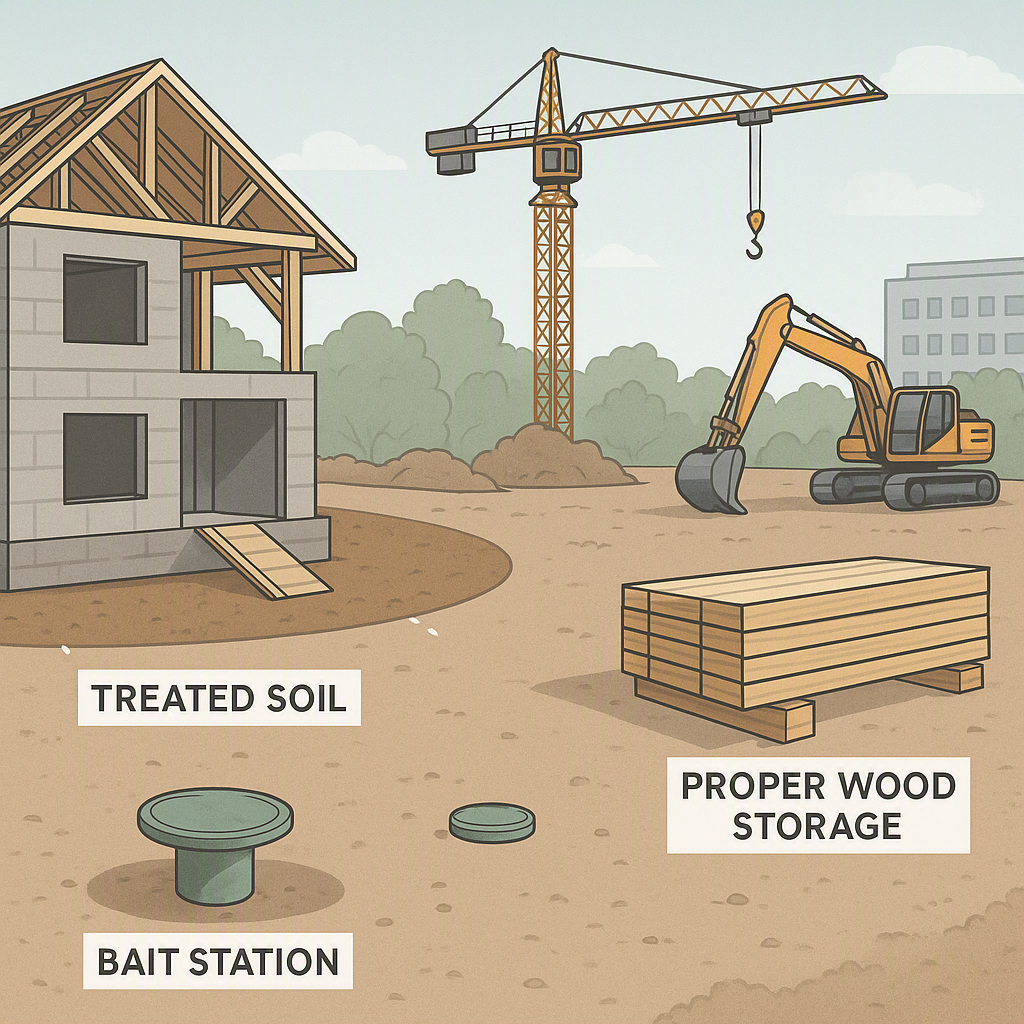
- Pre-construction soil treatment: One of the most effective ways to prevent termites is by treating the soil before construction begins. This involves applying a termiticide to the soil to create a chemical barrier.
- Use treated wood: Ensure that any wood used in construction is pre-treated for termite resistance. This includes framing, supports, and even temporary structures.
- Proper drainage: Termites thrive in moist environments. Make sure the site has proper drainage to prevent water from pooling near wooden structures.
How to Check for Hollow Wood:
- The sound test: Tap on the wood with a solid object like the handle of a screwdriver. If it sounds hollow or you hear a faint echo, termites might have already tunneled inside.
- Probe the wood: Use a small tool to gently press into the wood. If it gives way easily, it’s a red flag.
3. Cracks in Foundation or Walls
Tiny cracks in concrete might seem harmless, but they’re an entryway for termites. Subterranean termites, in particular, can squeeze through spaces as small as 1/32 of an inch. That’s thinner than a credit card.
These cracks often develop when builders rush the curing process or use poor-quality materials. Even the subtlest crack can serve as a superhighway for termites to gain entry and start feasting on the structure.
How to Prevent and Address Cracks:
- Use quality materials: Work with reputable contractors and ensure they use high-quality cement and proper curing techniques.
- Seal cracks promptly: Inspect the foundation regularly and seal any cracks with high-quality concrete filler or sealant. This prevents termites from gaining entry.
- Pre-treatment: Apply anti-termite treatment to the soil before pouring the foundation. This acts as a long-term deterrent for subterranean termites.
DIY Inspection Tips:
- Use a flashlight to carefully inspect foundation walls, floors, and other concrete surfaces.
- Pay close attention to any areas where the ground meets the structure—these are prime entry points for termites.
4. Swarmers Near Light Sources
Termite swarmers (winged reproductive termites) are a big red flag. They’re often mistaken for flying ants, but here’s the difference: termite wings are all the same size, while ants have larger front wings and smaller hind wings.
Swarmers are a sign that a colony is either nearby or actively forming. They are most commonly seen during the warmer months when termites are reproducing and searching for new nesting sites. If you see discarded wings near windowsills, light fixtures, or other bright areas, act fast.
How to Distinguish Termites from Ants:
| Feature | Termite | Ant |
|---|---|---|
| Body Shape | Broad waist, straight abdomen | Narrow waist, pinched body |
| Antennae | Straight, beaded | Bent or elbowed |
| Wings | Equal in size | Unequal (front wings larger) |
What You Should Do:
- Collect evidence: If you find swarmers, trap a few and take clear photos to show a pest control professional.
- Identify entry points: Look for areas where the swarmers might have entered, such as cracks, vents, or gaps around windows and doors.
- Call for help: A professional pest control company can locate the colony and eliminate it before it becomes a larger problem.
5. Soft Spots in Drywall or Paint
Termites don’t just eat wood—they’ll chew through drywall and even wallpaper to get to it. If you notice bubbling paint, peeling wallpaper, or soft spots in walls, it’s often a sign that termites are tunneling underneath the surface.
How to Identify and Prevent Damage:
- Look for visual clues: Check for blistered paint, sagging walls, or small pinholes in drywall.
- Feel for texture changes: Gently press on suspicious areas. If the wall feels spongy or soft, investigate further.
- Proper ventilation: Ensure good airflow to prevent moisture buildup, especially in bathrooms, kitchens, and basements.
Next Steps:
If you suspect termite damage in your drywall, don’t delay. A pest control expert can determine the extent of the infestation and recommend appropriate treatments.
Why New Construction is Vulnerable
You’d think starting from scratch means you have a clean slate, but that’s not always true. Construction sites often disturb termite colonies, sending them searching for new food sources—like your building materials. Add in factors like leftover wood scraps, improper soil treatment, and moisture from curing concrete, and you’ve got a recipe for infestation.
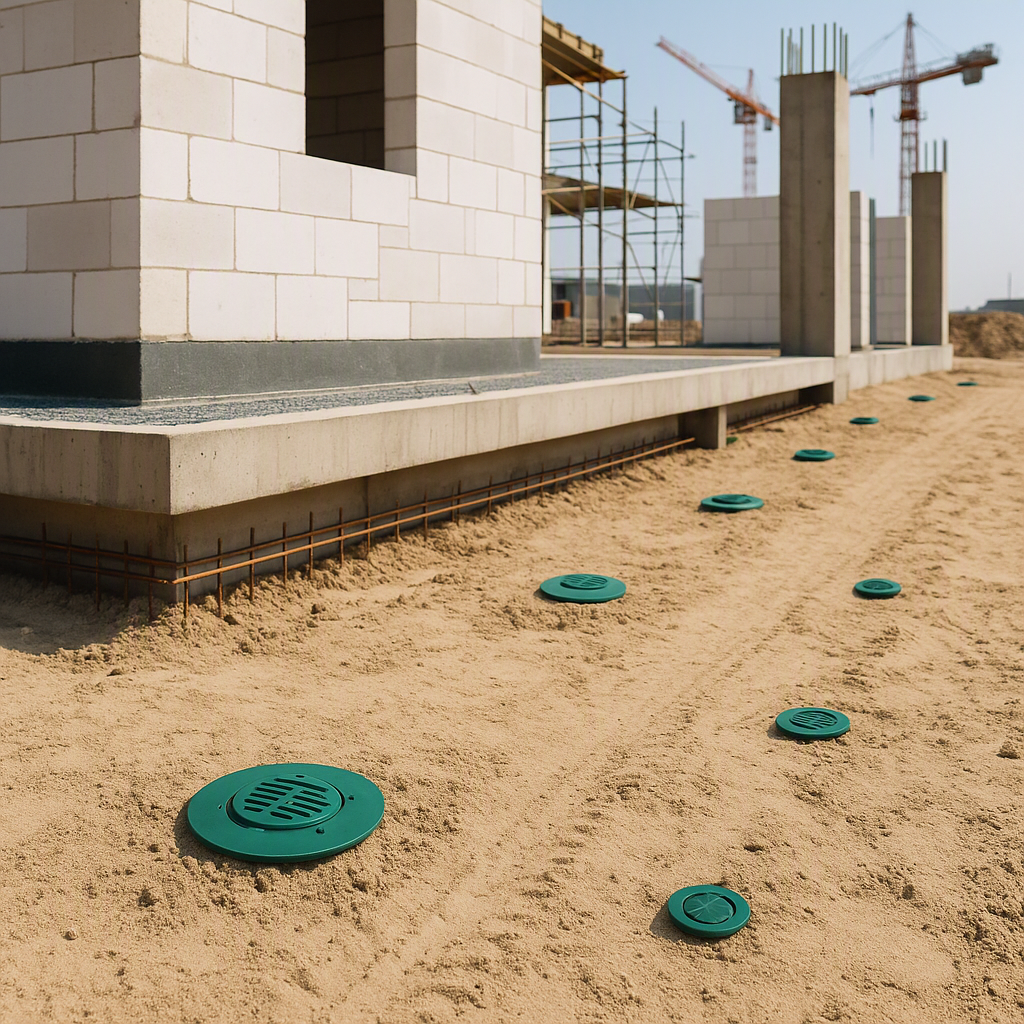
This is why pre-construction anti-termite treatment is critical. At Termite Control, we focus on treating the soil before construction begins. This creates a protective barrier, preventing termites from ever reaching your foundation. It’s not just a step—it’s the step that saves you money and headaches later.
FAQ
Can termites really infest a building before it’s finished?
Yes. Termites don’t wait for you to finish construction. They’re opportunistic and can start infesting as soon as there’s wood, moisture, and entry points. Pre-construction treatment is the best way to prevent this.
How often should I inspect for termites during construction?
Ideally, inspections should happen at every major phase—foundation, framing, and finishing. Regular checks help catch issues early and allow for timely treatment if needed.
Is pre-construction treatment worth the cost?
Absolutely. The upfront cost of anti-termite treatment is a fraction of what you’d spend on repairs if termites invade later. Think of it as insurance for your investment.
What’s the difference between pre-construction and post-construction termite treatments?
Pre-construction treatments focus on creating barriers in the soil and treating building materials to prevent termites from entering. Post-construction treatments address infestations after they occur and often involve injecting chemicals into walls, floors, or the ground.
Can I handle termite prevention myself?
While some DIY measures can reduce risk, such as keeping the site clean and sealing cracks, professional treatments are far more effective and long-lasting. Experts use specialized tools and chemicals that aren’t available to the general public.
If you’re dealing with a termite problem—or want to prevent one before it starts—Termite Control can help. Get a free inspection and protect your investment with long-lasting, professional anti-termite solutions.