Why Long-Term Monitoring Matters
Most construction teams think termite control ends with pre-construction soil treatments. It doesn’t. Termites are stubborn, and Oman’s climate gives them every reason to thrive. Without a system to monitor their activity over time, you’re gambling with the structural integrity of your project. And let’s be blunt: termite damage isn’t just expensive—it’s embarrassing when it happens on your watch.
We’ve seen it happen. A developer finishes a project, hands it over, and two years later, the client calls about buckling floors or hollowed-out beams. Guess who’s footing the bill for repairs? It’s usually the company that cut corners on termite prevention.
Understanding the Scope of the Problem
Why is long-term monitoring so critical in Oman? The unique combination of high humidity, sandy soils, and warm temperatures creates a perfect storm for termite proliferation. Subterranean termites, the most common culprits, thrive in these conditions and can infiltrate structures undetected for years. According to the International Journal of Pest Management, termites cause billions of dollars in structural damage annually worldwide. In Oman, the problem is compounded because many construction materials are imported, and untreated wood can carry termite colonies into new sites.
Without a proper monitoring system, termites can wreak havoc silently. They don’t just damage wood—they can also compromise electrical wiring, insulation, and even plumbing. The long-term consequences of ignoring termite activity can escalate from minor repairs to extensive structural overhauls.
Step 1: Start with the Right Foundation
The foundation is your first and best line of defense. Pre-construction soil treatments are critical, but they’re just one part of a comprehensive strategy. A termite monitoring system should be installed during construction—not after. Why? Because termites don’t wait for your project to finish. They’ll find cracks, untreated areas, or even sneak in through construction materials already on-site.
Actionable Steps for a Strong Foundation:
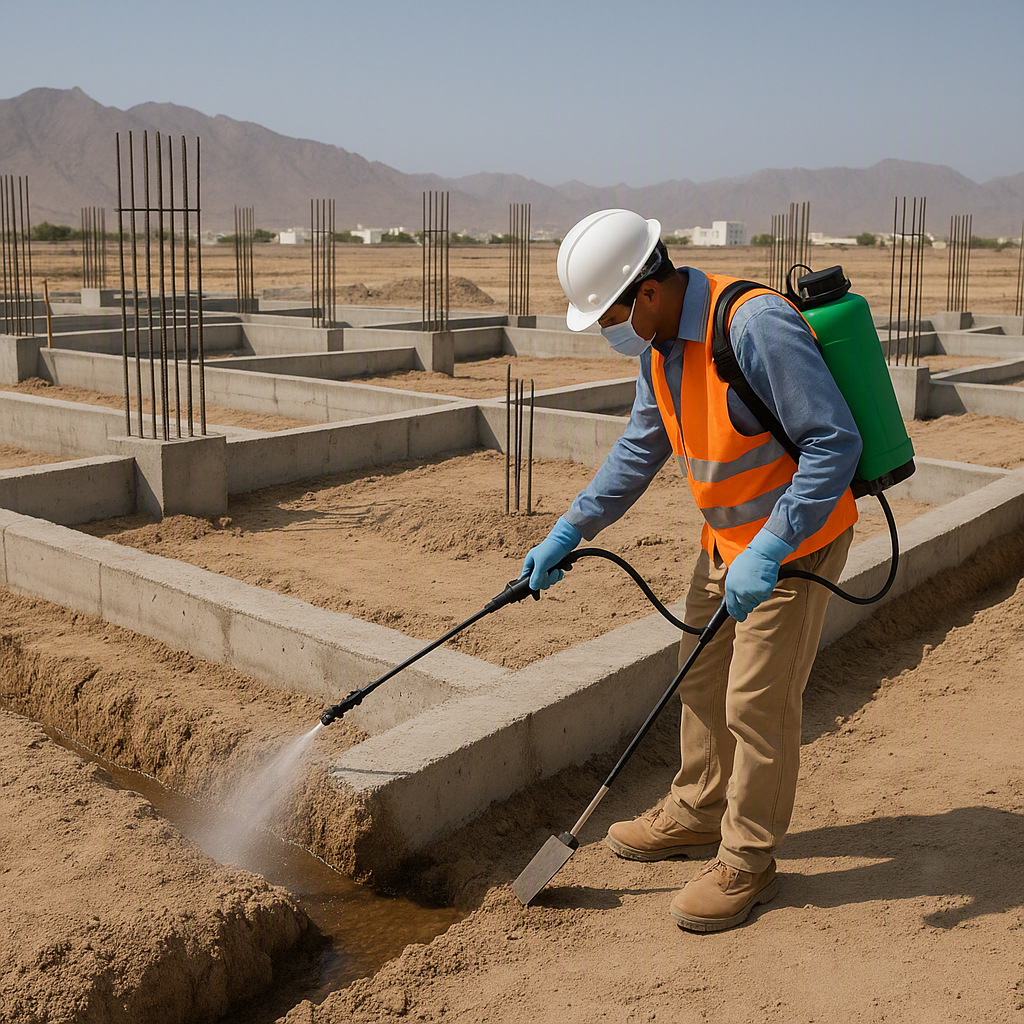
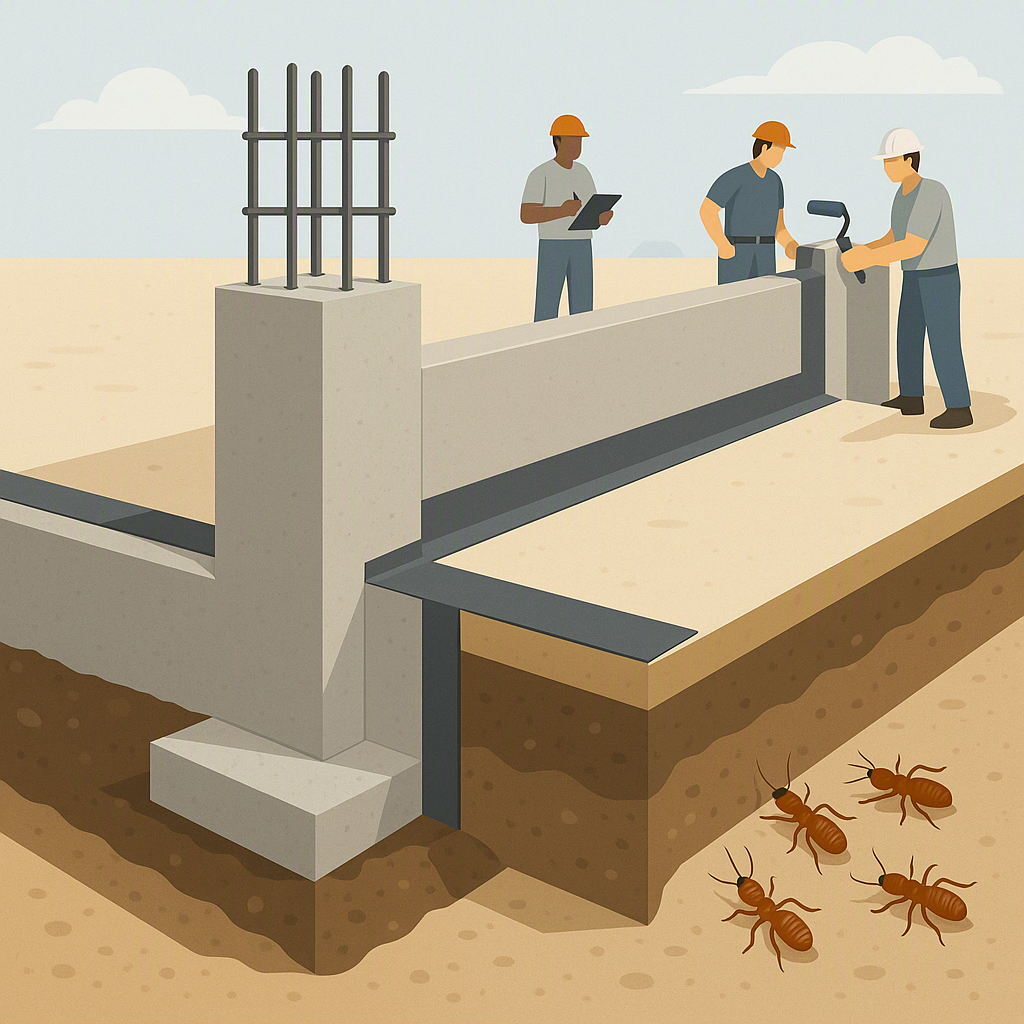
- Pre-Treat the Soil: Use termiticides to create a chemical barrier under and around the foundation. This step is essential to disrupt termite access.
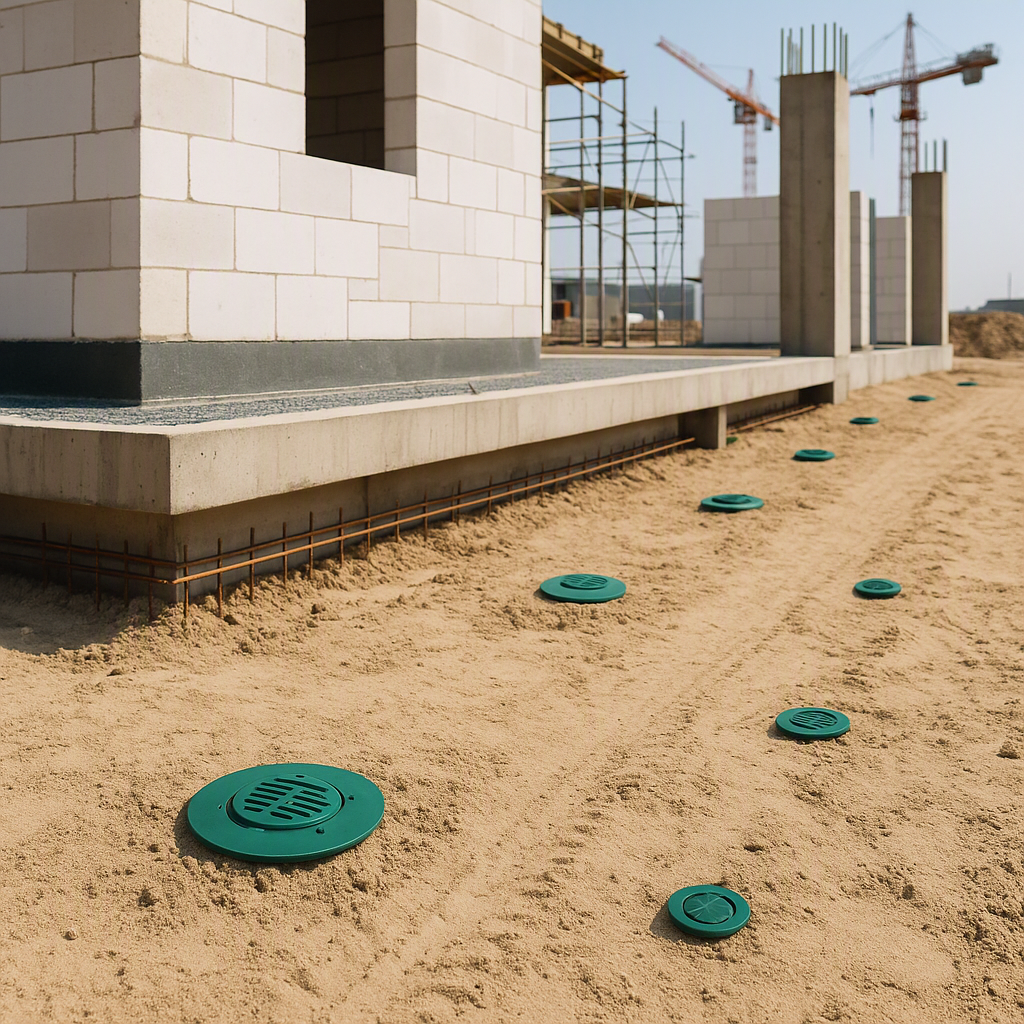
- Install Bait Stations: Place these strategically around the foundation. Bait stations act as early warning systems by attracting termites and revealing their activity.
- Seal Entry Points: Any cracks or gaps in the foundation should be sealed before construction proceeds further. Silicone-based sealants are particularly effective.
- Use Treated Wood: Opt for termite-resistant wood or pressure-treated wood for structural components. This minimizes the risk of infestations from the start.
In Oman, sandy soils further complicate matters. These soils allow termites to tunnel quickly and undetected, making the correct placement of bait stations even more critical. Ensure you work with professionals who understand local soil conditions.
Step 2: Regular Inspections Are Non-Negotiable
Here’s the hard truth: no system is truly “set it and forget it.” You need regular inspections. Ideally, this means quarterly check-ups by a trained technician. They’ll check the bait stations, look for signs of activity, and rebait as needed. If you’re skipping this step to save costs, you’re just delaying a bigger expense later.
What Does a Proper Inspection Look Like?
- Visual Checks: The technician inspects visible areas for mud tubes, damaged wood, or other signs of termite activity.
- Station Monitoring: Each bait station is opened and checked for termite presence. If termites are found, the bait is replaced with fresh material.
- Moisture Assessment: High moisture levels attract termites. Technicians use moisture meters to identify risk zones.
- Documentation: Every visit should include a detailed report highlighting findings, treatments applied, and any recommendations.
A properly managed inspection schedule ensures that you catch infestations early, often before they cause any significant damage.
Step 3: Use Integrated Pest Management (IPM)
Here’s where many teams mess up: they rely on one method, like baits or chemical treatments, and call it a day. That’s short-sighted. A solid long-term monitoring system should be part of an Integrated Pest Management (IPM) strategy. IPM combines different methods—chemical barriers, baiting, and environmental management—to keep termites in check.
Key Elements of IPM for Termite Control:
- Chemical Barriers: These create a protective shield around the structure. Use termiticides approved for long-term efficacy.
- Baiting Systems: These act as both detection tools and extermination methods, eliminating colonies over time.
- Environmental Adjustments: Ensure proper drainage, avoid wood-to-ground contact, and keep vegetation away from structures.
- Regular Monitoring: IPM relies on continuous evaluation and adjustment, making inspections a cornerstone of the strategy.
Landscaping Considerations:
Landscaping changes can unintentionally invite termites. For example:
- Mulch Beds: These provide food and moisture for termites. Use alternatives like gravel or rubber mulch.
- Irrigation Systems: Poorly directed water flow can create moisture-rich zones, attracting termites. Ensure proper drainage.
- Trees and Shrubs: Keep them trimmed and away from the structure to minimize potential bridges for termites.
Step 4: Build Maintenance Contracts into Your Budget
This is where many construction companies hesitate. Maintenance contracts can feel like an added expense for something that “might not even happen.” But termites don’t care about your budget. Without ongoing maintenance, even the best monitoring system will fail.
How to Structure a Maintenance Plan:
- Set Inspection Frequency: Quarterly inspections are ideal, with flexibility for more frequent checks in high-risk areas.
- Budget for Repairs: Include a contingency fund for minor repairs, which are much cheaper than major overhauls.
- Partner with Experts: Work with pest control companies that specialize in termite monitoring and have a proven track record.
- Educate Stakeholders: Make sure everyone—from project managers to clients—understands the value of the contract.
Cost vs. Risk:
| Expense | Short-Term Cost | Long-Term Impact |
|---|---|---|
| Pre-construction treatment | Moderate | High protection |
| Quarterly inspections | Low | Early detection, minimal damage |
| Maintenance contracts | Low to Moderate | Avoids expensive structural repairs |
Common Mistakes to Avoid
- Skipping the Inspection Phase: Some teams think a one-time treatment is enough. It’s not. Termites are adaptive and persistent.
- Ignoring Landscaping Risks: Trees, mulch, and water features can all invite termites. Factor these into your monitoring system.
- Choosing the Cheapest Bait Stations: Not all systems are created equal. Invest in quality materials that last.
FAQ
Q: How often should bait stations be checked?
A: Ideally, every 3 months. In high-risk areas, monthly checks might be necessary.
Q: Can we install a monitoring system after construction?
A: Yes, but it’s less effective. Installing during construction ensures you cover all entry points from the start.
Q: What’s the warranty on these systems?
A: Most high-quality systems come with warranties ranging from 5 to 10 years. Always check with your provider.
Q: Are there eco-friendly options for termite control?
A: Yes, many bait systems use non-toxic chemicals targeted specifically at termites, minimizing environmental impact.
Q: What happens if termites are detected during an inspection?
A: The technician will replace the bait, potentially apply localized treatments, and monitor the area closely for further activity.
Conclusion
Long-term termite monitoring isn’t just a “nice-to-have.” It’s a necessity, especially in Oman’s termite-friendly climate. If you’re dealing with a new construction project, don’t stop at soil treatments. Build a monitoring system into your plans—and your budget. The small upfront investment will save you from costly surprises down the line.