Effective Termite Control Solutions for Construction Projects in Oman
Termite control during construction is often misunderstood. Many assume that treating the soil before pouring the foundation is sufficient. While soil treatments are a critical step, they are not a standalone solution. Termites are resourceful and can find alternative ways to invade buildings, such as through untreated materials, cracks, or utility lines. A comprehensive approach is essential to protect construction projects from termite damage.
Why Soil Treatments Alone Are Not Enough
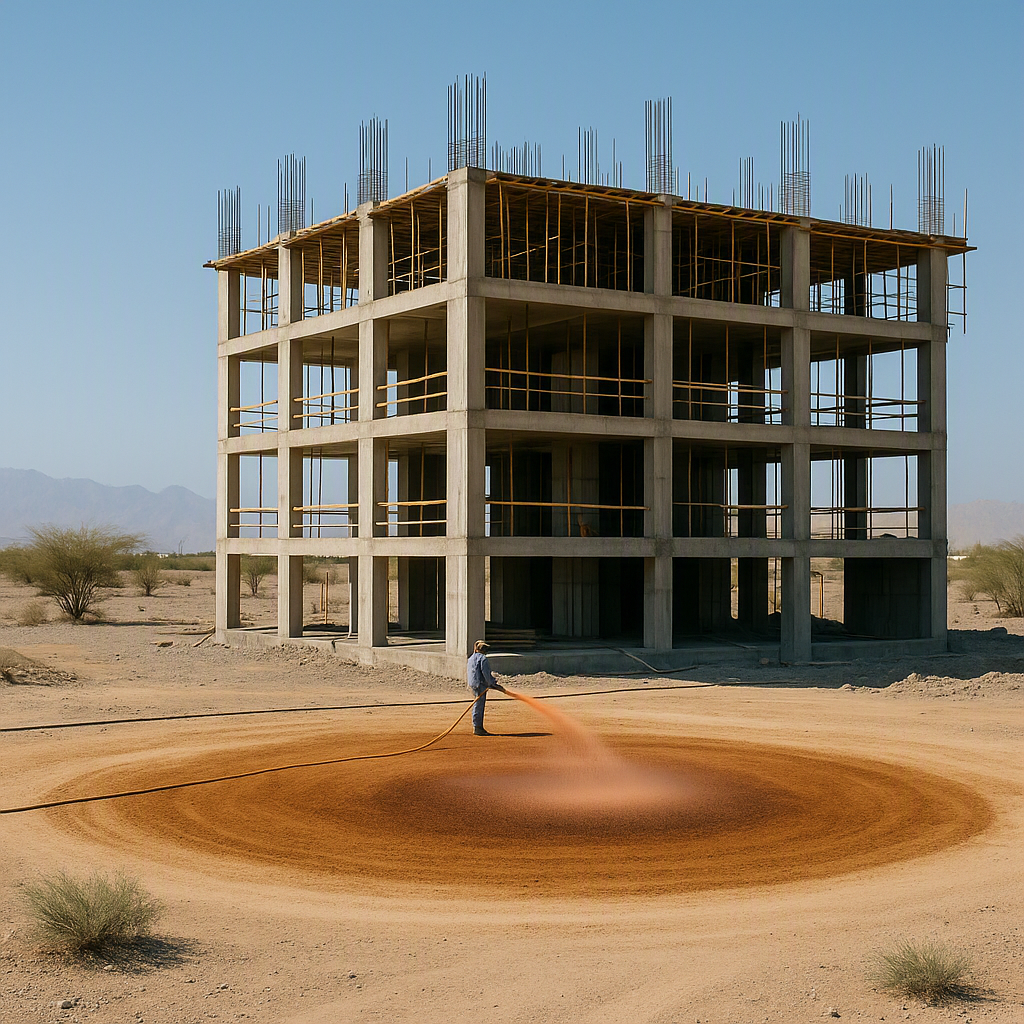
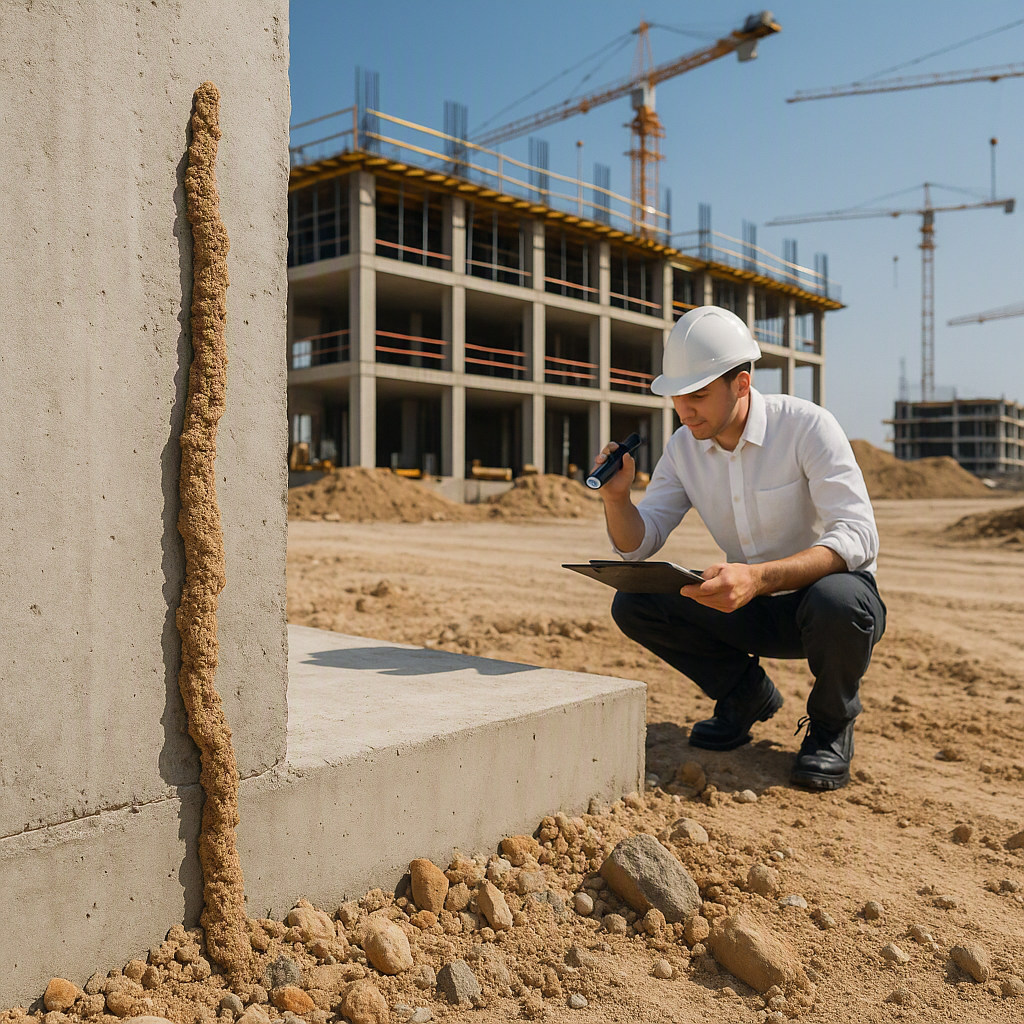
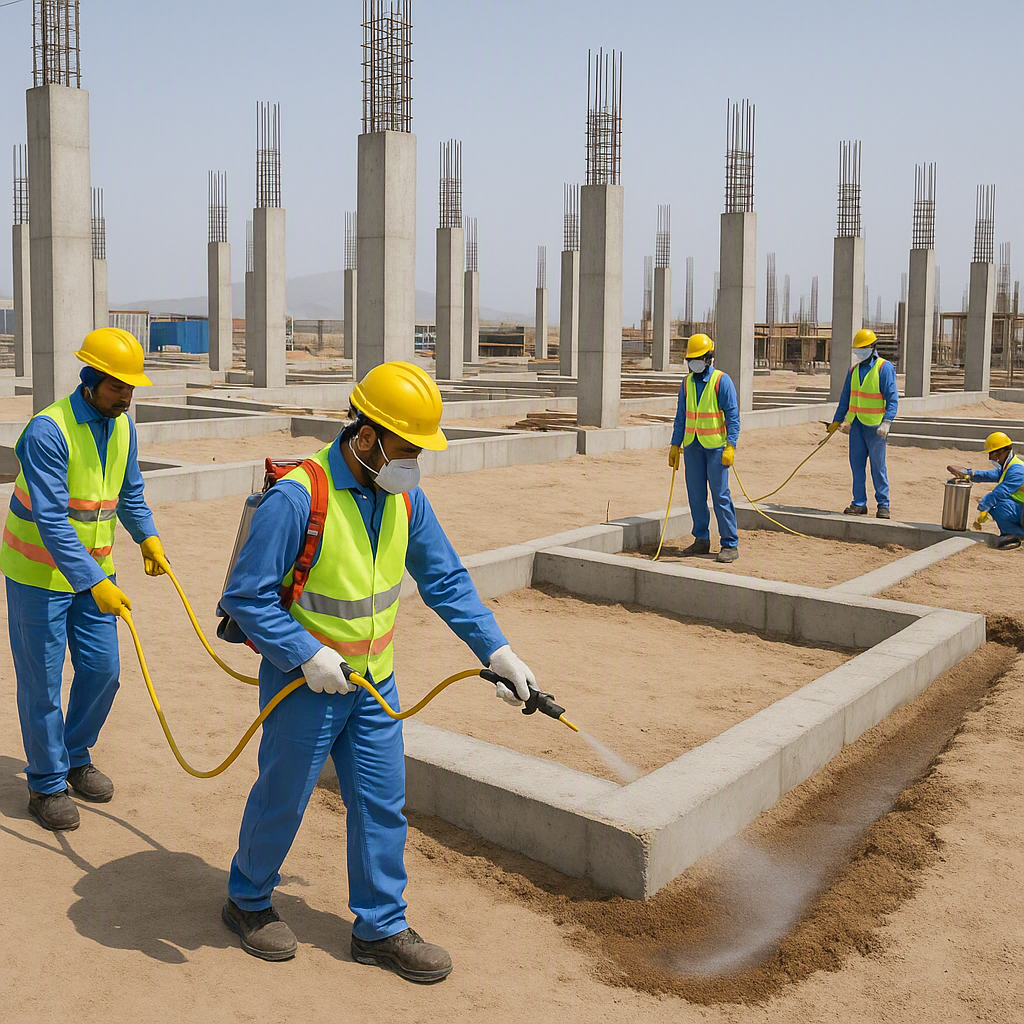
Soil treatments are a common and valuable method for termite prevention. They create a chemical barrier that deters termites from entering a building through the ground. However, termites can bypass these barriers if there are gaps, untreated areas, or breaches caused by construction activities. Additionally, termites can enter buildings through other pathways, such as infested construction materials or poorly sealed utility lines.
In Oman, the hot and dry climate can make termites more determined to find moisture, increasing the risk of infestation. Ignoring termite control measures or relying solely on soil treatments can lead to costly repairs and structural damage in the long run.
A Multi-Layered Approach to Termite Control
To effectively manage termite risks, a multi-layered strategy is recommended. This approach includes the following steps:
-
Material Inspection: Before construction materials enter the site, they should be inspected and treated if necessary. Termites can be transported via untreated wooden pallets or infested timber, so early detection is crucial.
-
Barrier Maintenance: Pre-construction soil treatments require maintenance to remain effective. Construction activities can disrupt the chemical barrier, so regular inspections during the project are essential to identify and address any breaches.
-
Post-Construction Monitoring: Long-term monitoring contracts are highly recommended to detect termite activity after construction is complete. These contracts typically include regular inspections, baiting systems, and immediate treatments if termites are found.
-
Integrated Pest Management (IPM): IPM minimizes chemical use by employing targeted treatments and customized plans for each site. This eco-friendly approach balances effectiveness with safety for both humans and the environment.
Challenges in Implementing Termite Control
Despite the benefits of a comprehensive termite control strategy, challenges remain. Construction projects often face shifting timelines and budget constraints, which can lead to termite control being deprioritized. Educating construction teams about the long-term cost savings of prevention is essential.
Additionally, implementing IPM requires expertise and careful planning, as each site presents unique challenges. However, the investment in prevention and monitoring is far less costly than addressing termite damage after it occurs.
FAQ
1. How often should we inspect for termite activity during construction? Regular inspections are recommended at least every three months during construction. For larger or more complex projects, monthly checks may be more appropriate.
2. What’s involved in a post-construction monitoring contract? A good contract includes regular inspections, baiting systems, and immediate treatments if any termite activity is detected. This proactive approach helps prevent infestations from escalating.
3. Can termites travel through utility lines? Yes, termites can use utility lines, cracks, and other pathways to access wood or moisture. Sealing gaps and inspecting all potential entry points is crucial during construction.
4. Is IPM safe for the environment? Yes, Integrated Pest Management focuses on minimizing chemical use and employing targeted treatments. It is an environmentally friendly approach that prioritizes safety for humans and the ecosystem.
5. What’s the warranty for termite control services? Warranties vary by provider, but some companies offer coverage for several years. It’s important to inquire about warranty options when selecting a service provider.
By adopting a comprehensive termite control strategy, construction projects in Oman can mitigate risks and ensure long-term structural integrity. Prevention is always more cost-effective than dealing with the consequences of an infestation.