The Mistake We All Make: Over-Reliance on Soil Treatment
When I started working in termite control for construction projects, I believed what many still do: soil treatment is the backbone of termite control. Treat the soil before construction, and you’re good for years, right? Not quite.
Here’s the thing—soil treatment is essential, but it’s not the whole story. Termites are persistent. They don’t just live in soil; they find cracks in foundations, crawl up pipes, and even travel through walls. If your approach stops at soil, you’re leaving gaps. And termites love gaps.
This reality hit me hard on a project in Muscat back in 2020. A commercial building, freshly treated, saw termite activity just a year after construction. Why? The team had focused solely on pre-construction soil treatment, ignoring post-construction inspection and maintenance. The result? Costly damage to wood interiors and a furious client.
What Changed My Perspective: Integrated Pest Management (IPM)
The turning point for me was seeing the effectiveness of Integrated Pest Management (IPM). IPM isn’t just a buzzword; it’s a comprehensive system. It combines soil treatment with a long-term strategy—inspections, monitoring, and targeted treatments. You don’t just treat the soil; you treat the entire building as a dynamic, living structure that termites will try to infiltrate.
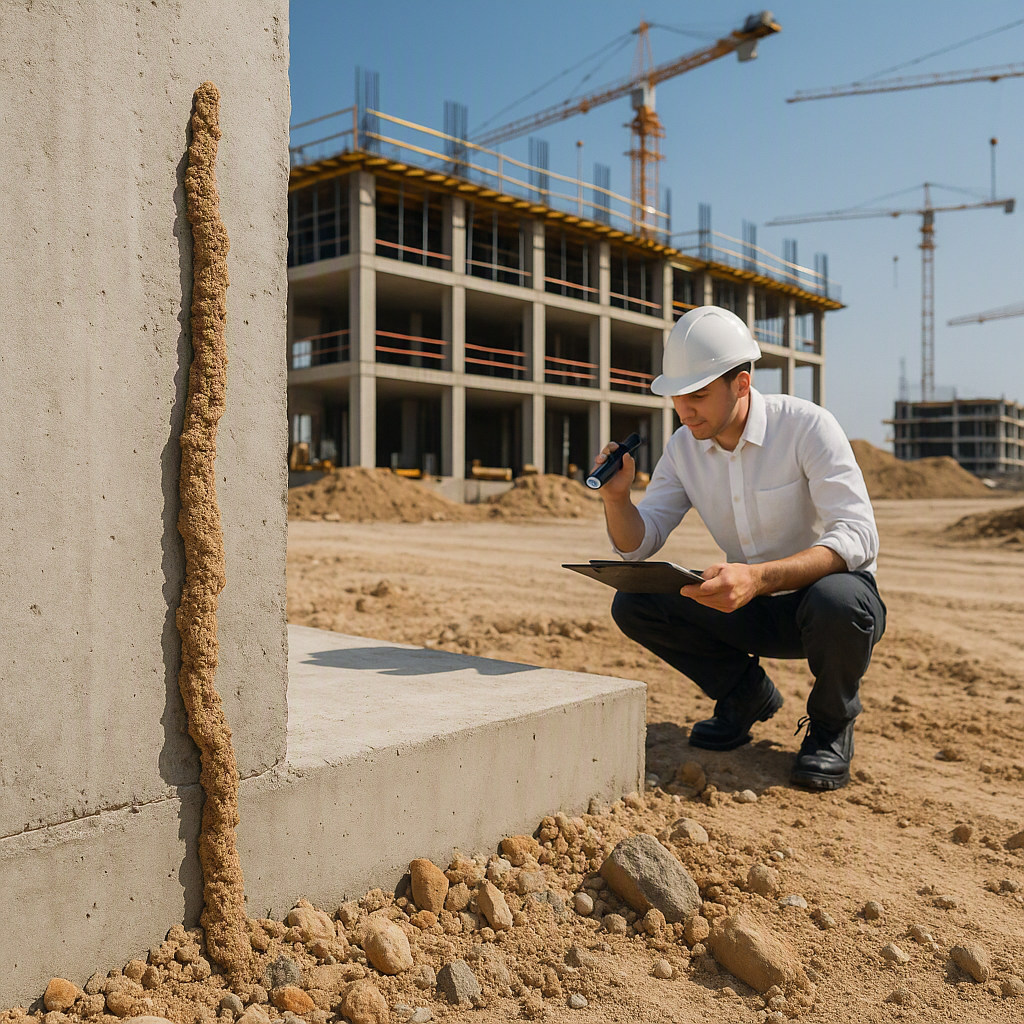
One example stands out. During a routine inspection of a high-rise building in the Muscat Governorate, we discovered termite mud tubes on the upper floors. This building had undergone thorough pre-construction soil treatment, yet the termites bypassed the treated soil entirely by climbing up plumbing pipes. Without regular inspections, this infestation could have gone unnoticed until the damage was beyond repair.
Key Components of IPM
-
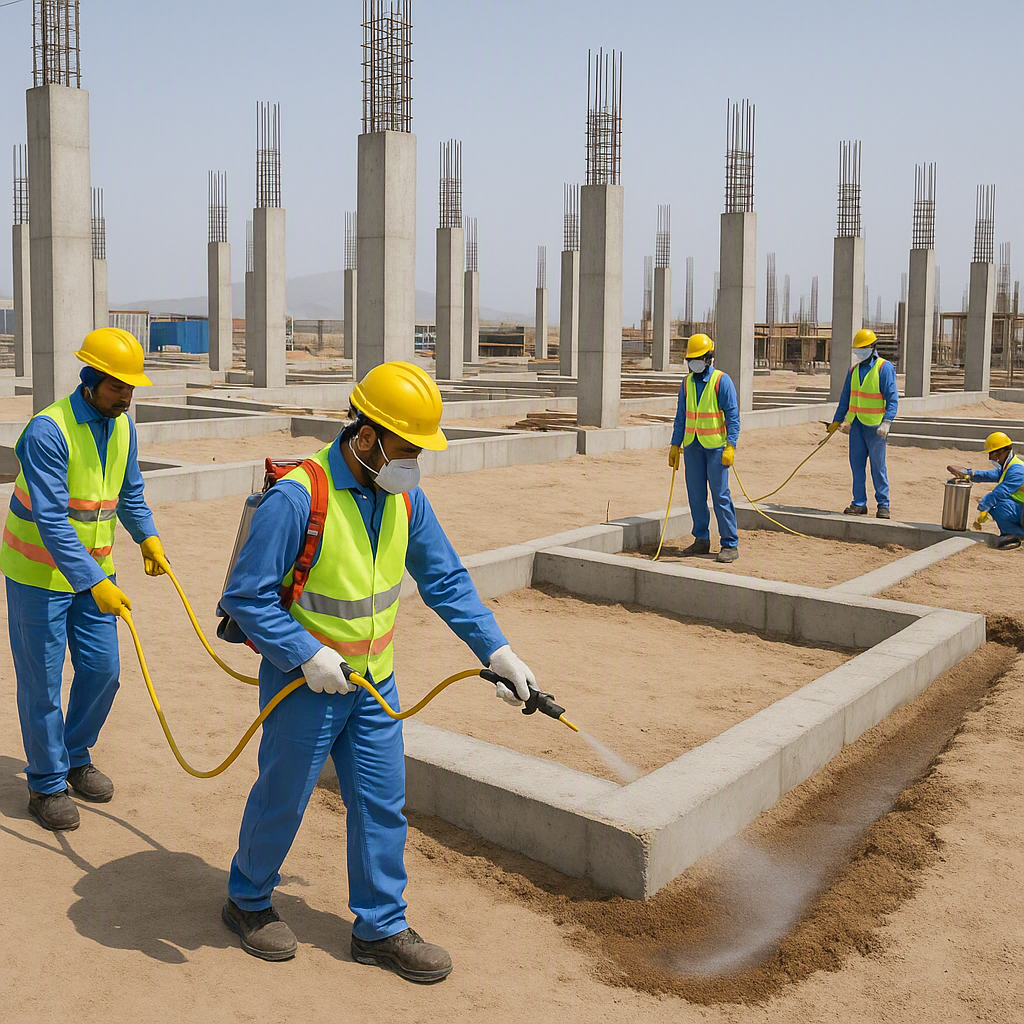
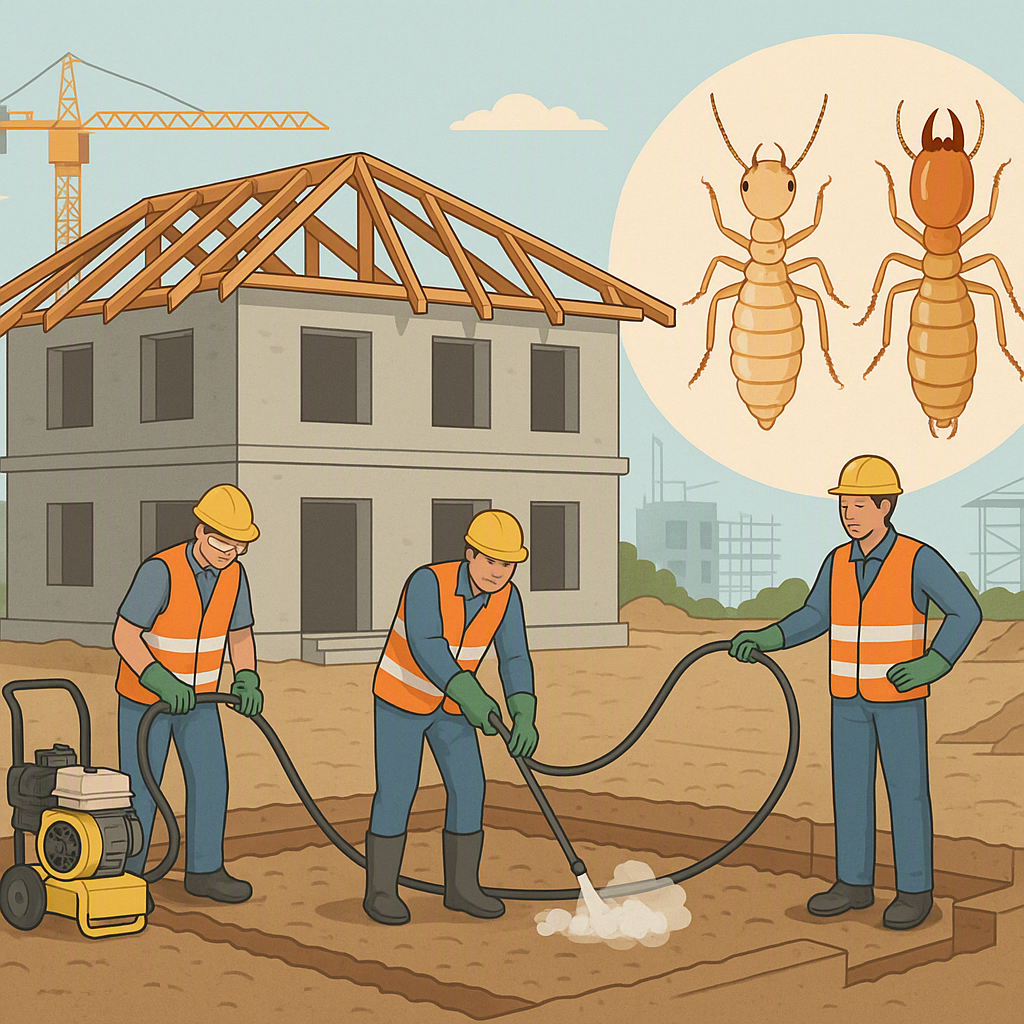
Pre-Construction Soil Treatment: This is the first layer of defense. A chemical barrier is applied to the soil to deter termites from entering the building from below. However, this step is just the beginning.
-
Structural Design Considerations: IPM emphasizes proactive planning. This includes sealing cracks in the foundation, ensuring proper drainage to keep the soil dry, and using termite-resistant building materials where possible.
-
Post-Construction Monitoring: Regular inspections are a cornerstone of IPM. These inspections help identify early signs of termite activity, such as mud tubes, hollow-sounding wood, or discarded wings.
-
Targeted Treatments: If termites are detected, localized treatments (such as baiting systems or spot chemical applications) can be applied to address the issue without needing to re-treat the entire structure.
-
Education and Awareness: IPM also involves educating property owners and managers about termite behavior and the importance of vigilance.
Why the Old Belief Persisted
Why do so many still rely solely on soil treatment? The answer lies in its perceived simplicity. Pre-construction treatment feels like a one-and-done solution. Contractors can check it off their list, and project owners feel reassured. However, this misplaced confidence often leads to complacency.
Budget constraints are another factor. IPM is often viewed as an added expense, and many are unwilling to allocate funds for something they perceive as optional. This short-term thinking overlooks the massive costs of termite damage down the line.
Consider this: A 2015 report by the National Pest Management Association estimated that termite damage globally costs over $5 billion annually. Much of this cost stems from inadequate post-treatment inspections and the absence of integrated strategies. Oman, with its hot, humid climate, is particularly vulnerable to termite infestations.
What We Do Differently Now
These days, we take a no-compromise approach to termite control. Here’s what a comprehensive IPM strategy looks like in practice:
-
Pre-Construction Soil Treatment: We still treat the soil before laying the foundation. This creates a chemical barrier that termites struggle to cross. However, we don’t stop here.
-
Foundation Inspections: Before pouring concrete, we systematically inspect for cracks, gaps, or voids that could allow termites to bypass the treated soil. Any vulnerabilities are sealed immediately.
-
Post-Construction Inspections: Once the building is complete, we conduct thorough inspections to look for mud tubes, hollow wood, or any other signs of termite activity. These inspections are particularly important in high-risk areas like basements or near plumbing lines.
-
Long-Term Maintenance Plans: For commercial projects, we always recommend annual maintenance contracts. These contracts ensure that inspections are conducted regularly, and any emerging risk factors are addressed promptly.
-
Ongoing Monitoring Systems: Installing baiting stations around the property provides continuous monitoring and a secondary line of defense. These stations lure termites and eliminate entire colonies if activity is detected.
Why Ignoring IPM Can Be Costly
Sticking to old habits cost us—and our clients. That Muscat project I mentioned earlier? We had to redo treatments, replace damaged materials, and rebuild trust with the client. Ultimately, they signed a maintenance contract with us, but the financial and reputational damage could have been avoided entirely.
Even now, I worry about projects where we weren’t involved after construction. Are termites silently causing damage in those buildings? Probably. And the sad part is that it’s entirely preventable.
FAQ: Common Questions About Termite Control in Construction
1. Isn’t pre-construction soil treatment enough?
No, it’s not. While soil treatment is an essential first step, it doesn’t address other ways termites can infiltrate a building. They can bypass the treated soil through cracks in the foundation, plumbing pipes, or even by building mud tubes along walls. Regular inspections and an IPM approach are necessary to close these gaps.
2. How often should inspections happen?
At a minimum, inspections should be conducted annually. However, buildings in high-risk areas (e.g., near water sources or with significant landscaping) may require bi-annual or even quarterly inspections.
3. Is IPM more expensive than traditional methods?
IPM may seem more expensive upfront because it involves ongoing monitoring and maintenance. However, it’s far less costly than repairing termite damage, which can run into thousands—or even tens of thousands—of dollars, depending on the severity.
4. Can IPM be applied to existing buildings?
Absolutely. While it’s ideal to implement IPM during the construction phase, it can be adapted for existing structures. Retrofitting baiting systems and conducting regular inspections can still provide significant protection.
5. What’s the difference between a warranty and an IPM plan?
A warranty typically covers re-treatment if termites are found during a specific period (e.g., 5–10 years). However, it doesn’t prevent infestations—it’s reactive, not proactive. An IPM plan, on the other hand, focuses on prevention through regular monitoring and targeted treatments.
Decision Framework: Traditional Soil Treatment vs. IPM
| Feature | Traditional Soil Treatment | Integrated Pest Management (IPM) |
|---|---|---|
| Initial Cost | Lower | Higher |
| Long-Term Cost | Often higher (repairs) | Lower (prevention-focused) |
| Effectiveness Against Termites | Limited to treated soil | Comprehensive |
| Maintenance Required | Minimal | Regular inspections needed |
| Flexibility for Existing Buildings | No | Yes |
The Final Word
If you’re dealing with termites—or want to avoid the nightmare of an infestation—don’t stop at soil treatment. Think bigger. Think long-term. Think IPM. It’s a proactive, comprehensive approach that protects your investment and saves you from costly damage in the future.
Our team at Termite Control is here to help. Get started with a free inspection →