Rethinking Soil Treatment for Termite Control
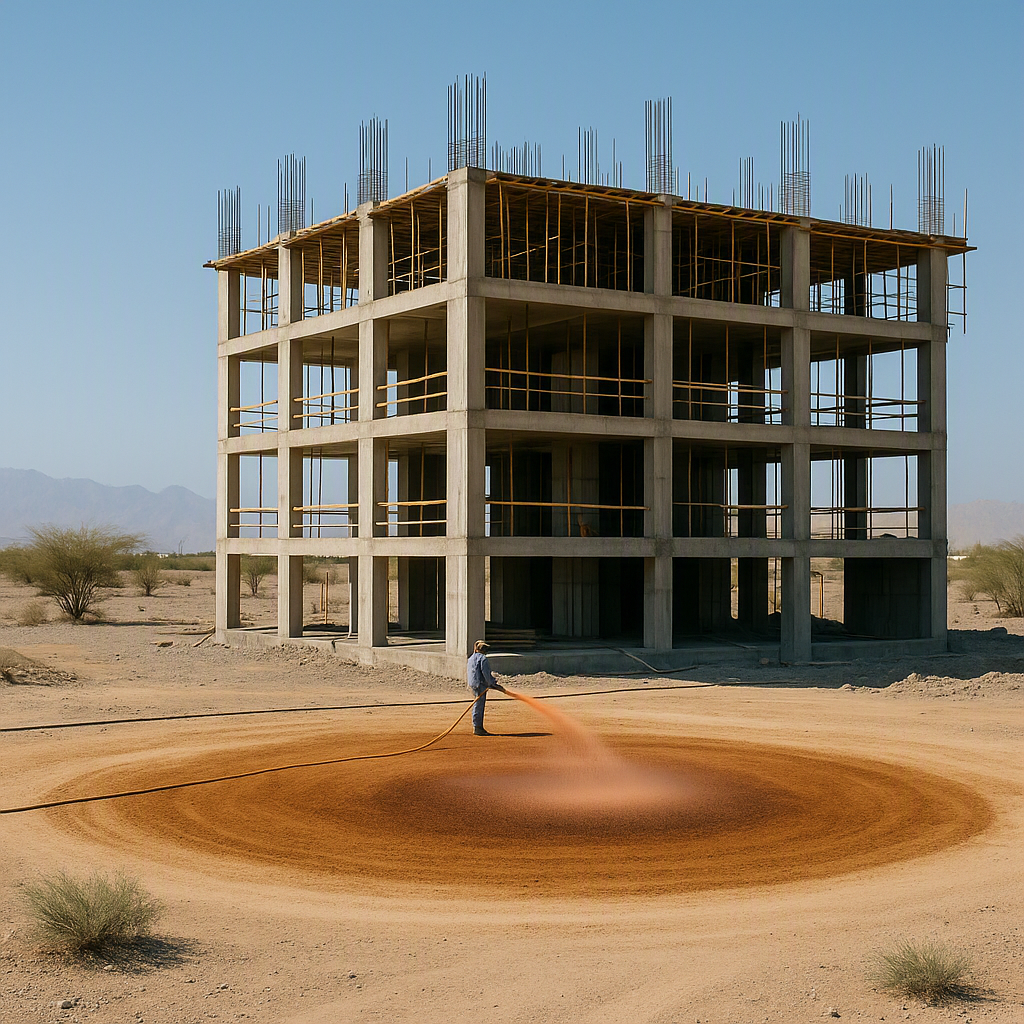
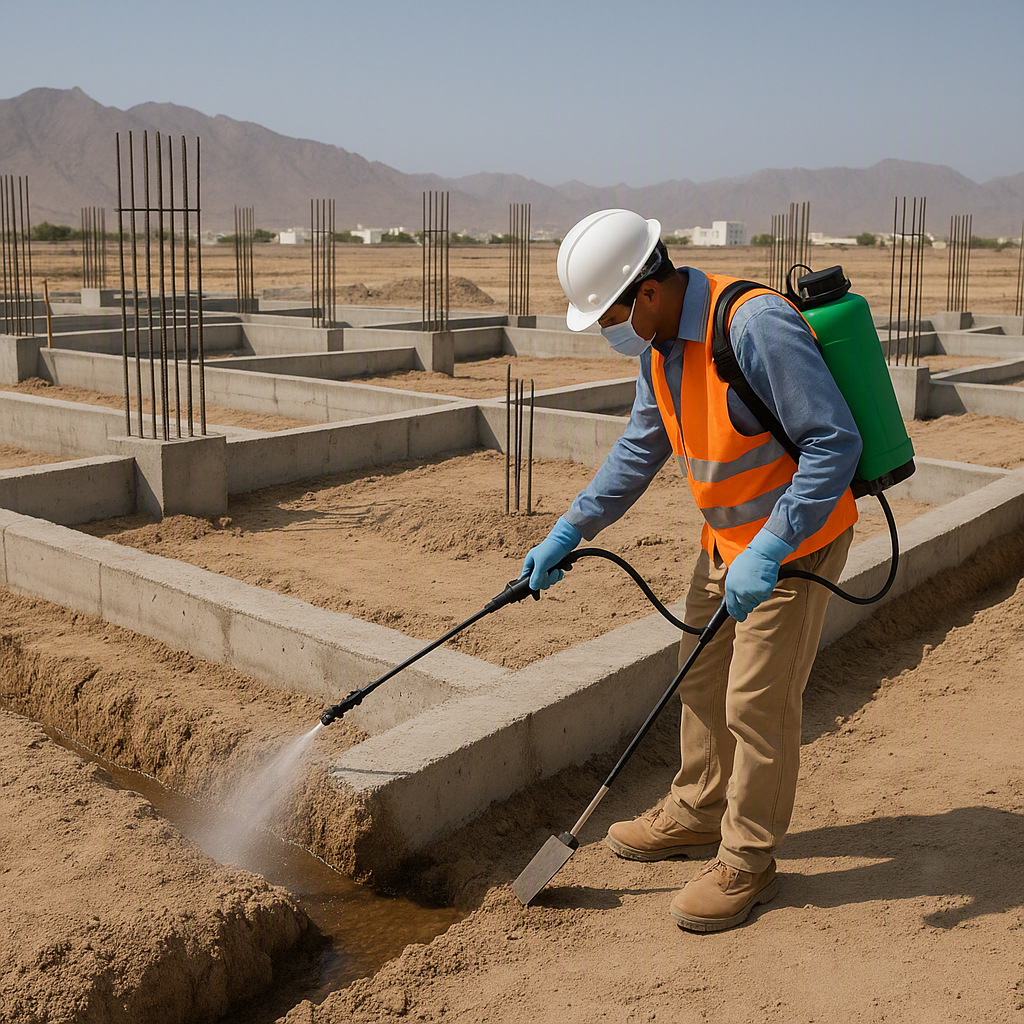
When it comes to termite control in large construction projects, many teams rely heavily on soil treatments as the primary line of defense. The assumption is simple: treat the soil with chemicals, and the structure will remain termite-free for years. However, this approach often overlooks critical vulnerabilities.
The Hidden Weak Points: Untreated Entry Points
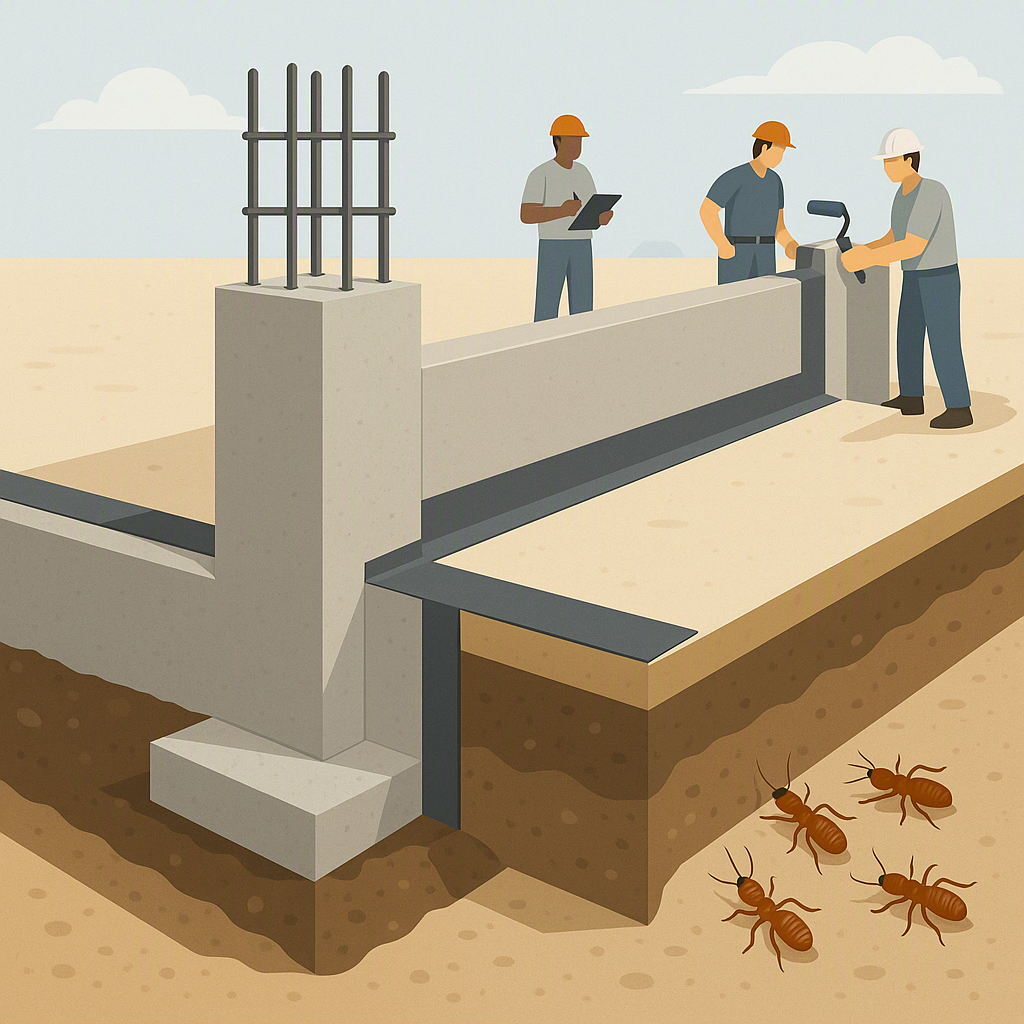
While soil treatments are essential, they are not a foolproof solution. Termites can exploit untreated entry points such as construction joints, service ducts, wall-floor junctions, and utility penetrations. These areas, if left unprotected, act as gateways for termites to infiltrate a structure, bypassing the chemical barriers applied to the soil.
This oversight is common because construction teams often focus on the broader aspects of termite control, such as trenching and soil treatment, without addressing these smaller but equally important details. This is not necessarily due to negligence but rather a lack of awareness or training in identifying and mitigating these vulnerabilities.
Why It’s Easy to Overlook
Large construction projects are complex and fast-paced, with tight deadlines and budget constraints. In such an environment, pest control measures are sometimes treated as an afterthought, with specialists brought in late in the process. By this time, addressing foundational vulnerabilities becomes more challenging and costly.
Additionally, the concept of integrated pest management (IPM) is not widely adopted in the construction industry. Many stakeholders view termite control as a one-time task rather than an ongoing strategy. This mindset can lead to gaps in protection that termites are quick to exploit.
A Proactive Approach to Termite Control
To address these challenges, early involvement of termite control specialists during the planning phase of construction is crucial. This allows for the identification of potential termite entry points and the development of a comprehensive treatment plan. Such a plan should go beyond soil treatment to include measures for protecting construction joints, service ducts, expansion joints, and plumbing penetrations.
By integrating termite control into the early stages of construction, teams can ensure that all potential vulnerabilities are addressed. This proactive approach not only reduces the risk of termite infestations but also minimizes the need for costly remediation and potential reputational damage.
The Importance of Building Trust
Despite the benefits of early intervention, not all construction companies are open to adopting these strategies. Some may be hesitant to allocate additional resources upfront, even if it results in long-term savings. Building trust and demonstrating the value of comprehensive termite control through clear communication and tailored solutions is key to overcoming this resistance.
FAQ
1. When should termite control specialists get involved in a construction project?
Ideally, during the planning phase. This allows for the identification of all potential termite entry points and the creation of a comprehensive treatment plan.
2. Is soil treatment really not enough?
It’s a good start but not a complete solution. Termites are adept at finding weak points in defenses, such as untreated construction joints or utility lines.
3. How does IPM fit into construction projects?
Integrated Pest Management (IPM) involves using a combination of treatments and strategies to create long-term protection, going beyond just chemical soil treatments.
4. What happens if termites show up after construction is complete?
Remediation can be costly and disruptive. Addressing potential risks upfront during construction is a more effective and economical approach.
5. What’s the typical warranty for termite control?
Warranties vary by service provider, but their effectiveness depends on the comprehensiveness of the treatment. Ensure all potential entry points are addressed.
If you’re managing a large construction project in Oman, don’t let termites become a costly afterthought. Consider integrating a tailored anti-termite treatment plan into your project from the start. Learn more here →