Why Pre-Construction Termite Treatment Matters
When starting a real estate project, pre-construction termite treatment is often seen as just another task to check off. However, overlooking its importance can lead to significant challenges down the line. Termites can cause structural damage that is costly and time-consuming to repair, and addressing infestations after construction is far more disruptive than taking preventive measures upfront.
Common Misconceptions About Termite Control
Many developers assume that once the soil is treated, the problem is solved. However, this is not always the case. Proper termite control requires careful planning, high-quality materials, and adherence to best practices. Relying solely on contractors without verifying their methods can lead to subpar results. Some contractors may cut corners by using low-quality chemicals or skipping critical steps, leaving the property vulnerable to termite infestations.
Best Practices for Pre-Construction Termite Treatment
To ensure effective termite control, developers should:
- Insist on Detailed Documentation: Verify the chemicals being used, their concentrations, and the application methods. Ensure they meet international standards and are suitable for the local environment.
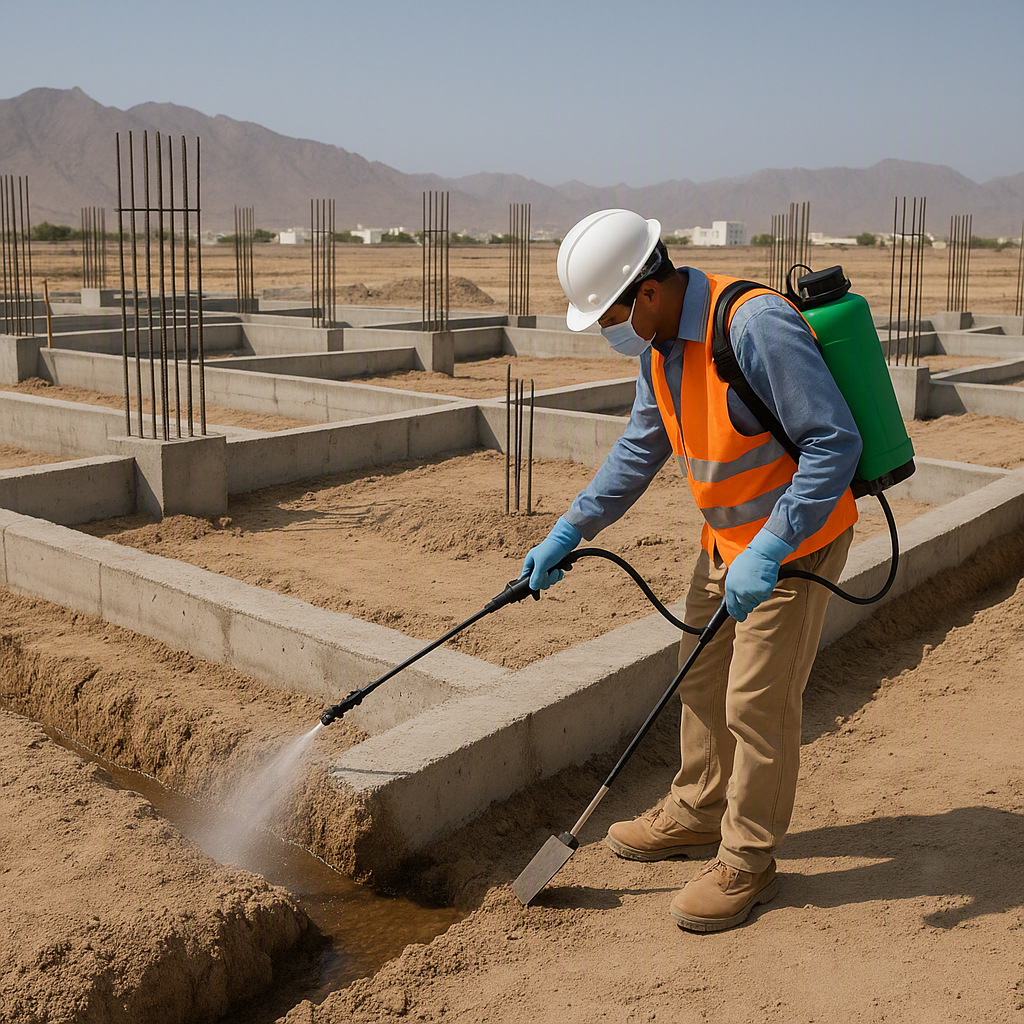
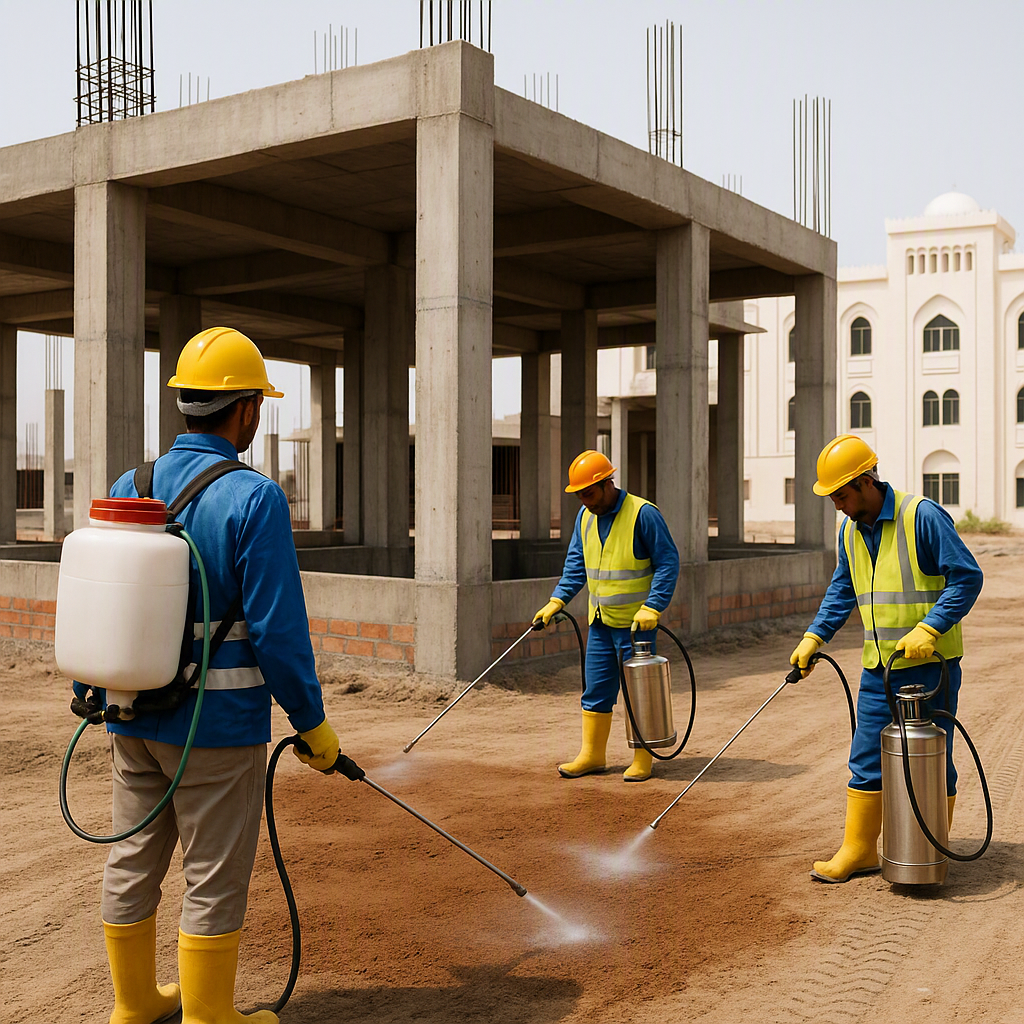
- Monitor the Application Process: Oversee the treatment process to confirm that it is being carried out correctly and thoroughly.
- Educate Stakeholders: Developers and project managers should understand the risks of termite infestations and the importance of proper treatment to avoid shortcuts or inadequate solutions.
Why Prevention Is Better Than Cure
Addressing termite infestations after construction is not only more expensive but also more disruptive. Repairs can delay project timelines and impact the usability of the property. Additionally, termite damage is often not covered by insurance, making prevention a critical investment.
Long-Term Protection Strategies
Even with thorough pre-construction treatment, ongoing maintenance is essential. Developers should consider long-term maintenance contracts to ensure continued protection against termites. Regular inspections and follow-up treatments can help mitigate risks and protect the property over time.
What’s Next?
For real estate developers in Oman, termite control should be a priority from the start of any project. By focusing on prevention, using high-quality materials, and ensuring proper application, developers can safeguard their investments and maintain their reputation.
Learn more about our anti-termite treatment services →
FAQ
1. How much does pre-construction termite treatment cost?
Costs vary depending on the size of the project and the methods used. Always request a detailed quote and verify the materials and techniques included.
2. Can I skip pre-construction treatment and just deal with termites later?
While it’s technically possible, it’s not advisable. Retrofitting termite protection after construction is significantly more expensive and disruptive.
3. How do I know if my contractor is using the right chemicals?
Ask for documentation and ensure the products meet international standards and are appropriate for the local environment.
Common Mistakes to Avoid
- Assuming all termite treatments are the same. They’re not.
- Failing to follow up with your contractor to ensure proper application.
- Thinking short-term. Termites don’t go away after one treatment. Plan for ongoing protection.