The Common Mistake: Thinking Termite Control is Just Soil Treatment
For years, I believed the same thing. On a construction site, termite control was a checkbox item: treat the soil, get the certificate, and move on. But that approach is incomplete. Sure, soil treatment is important, but it’s just one piece of the puzzle. If you don’t think beyond the ground, termites will find a way in—eventually.
Here’s what changed my mind. A few years ago, I visited a project in progress where everything seemed fine on paper. The soil had been treated, and the foundation was nearly done. But no one had thought about the untreated wood pallets stacked on-site or the vegetation left too close to the building. Within a couple of weeks, termites found their way in via those overlooked entry points. That’s when I realized: termite control isn’t just about soil; it’s about managing the entire environment. That’s where Integrated Pest Management (IPM) comes in.
What is Integrated Pest Management (IPM)?
Integrated Pest Management (IPM) is a strategy—not a one-time fix. It’s about combining multiple methods to keep pests, including termites, in check. And here’s the key: it’s proactive, not reactive. Instead of waiting for termites to show up, IPM prevents infestations from happening in the first place.
For construction, this means:
- Starting early: Implementing preventive measures during the planning phase.
- Using multiple tools: Treating soil, choosing termite-resistant materials, and managing on-site risks like wood and vegetation.
- Ongoing monitoring: Regular inspections to catch issues before they escalate.
IPM works because it’s a layered approach. It anticipates potential vulnerabilities and addresses them comprehensively. By not relying on just one method, you reduce the risk of failure. Think of it as having a safety net made of multiple threads rather than a single rope.
Step-by-Step Guide to IPM for New Construction
1. Pre-Construction Planning
If you’re building from the ground up, termite control should be part of your blueprint—just like plumbing or electrical systems. Here’s how to make it work:
- Choose termite-resistant materials: Pre-treated wood is a popular choice, but you can also explore alternatives like metal or composite materials for structural components. Concrete can also be effective, but ensure it’s mixed and applied properly to avoid cracks.
- Plan for soil treatment early: Soil treatment works best when done before construction begins. Waiting until after the foundation is laid often reduces its effectiveness. Discuss this with your contractor upfront.
- Identify high-risk areas: Termites are opportunistic. Look for areas where wood will be in contact with the ground, such as wooden decks, landscaping, or even utility entry points like pipes and cables.
- Design with ventilation in mind: Proper airflow in crawl spaces or basements can deter termites, as they thrive in moist environments.
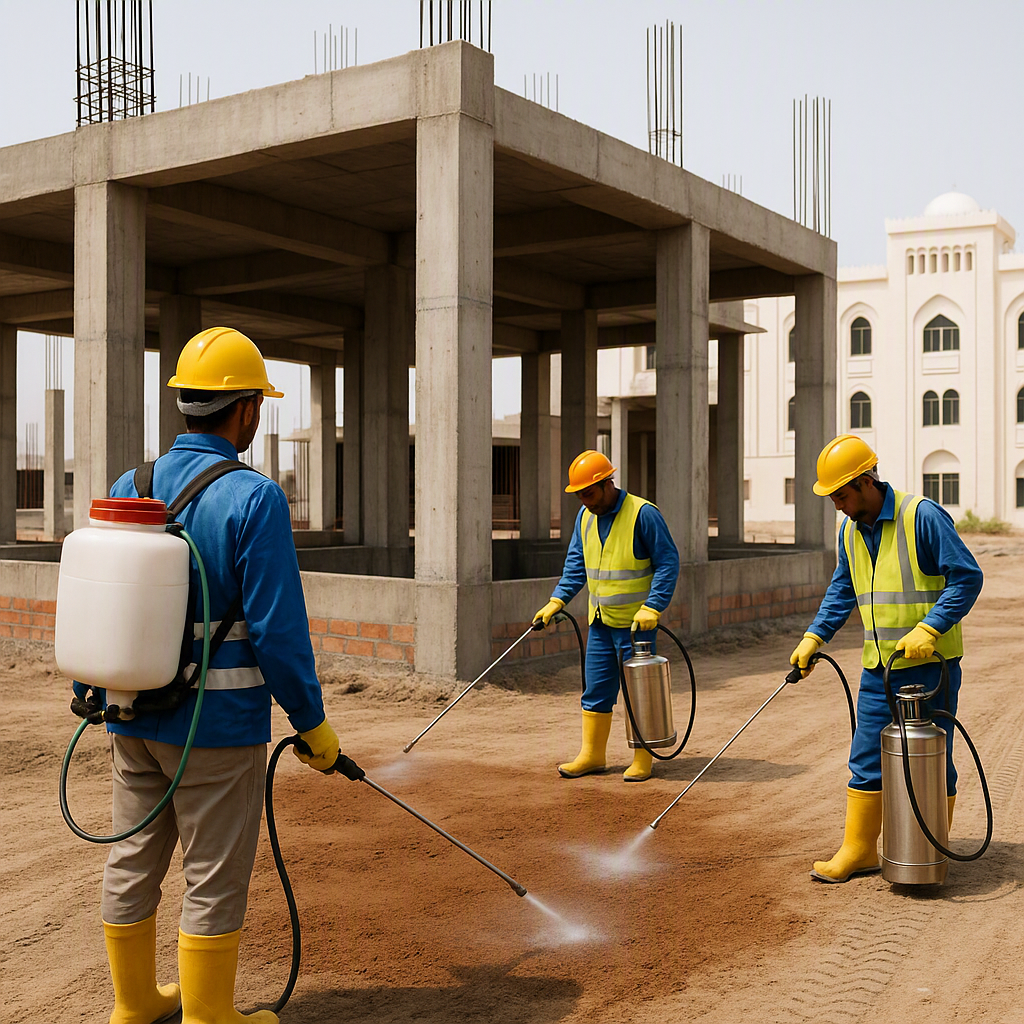
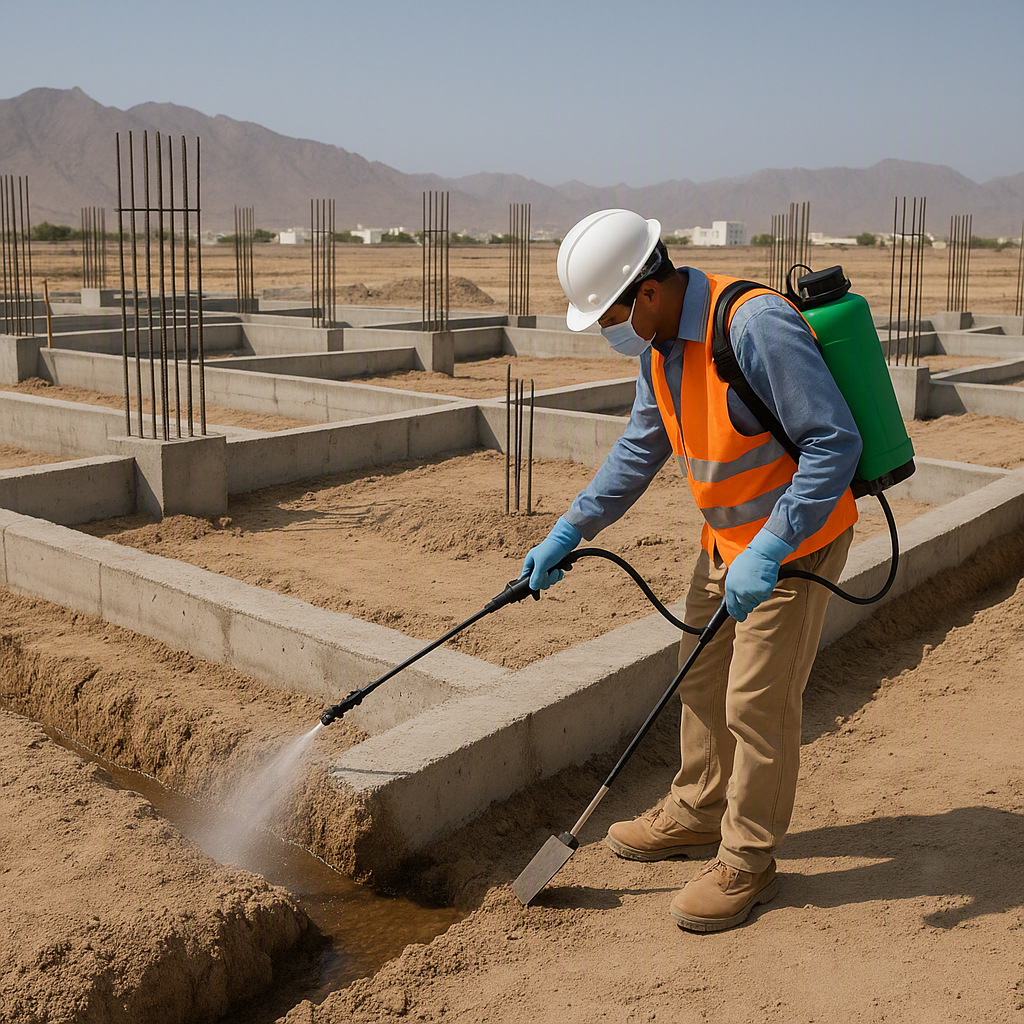
2. Soil Treatment
Yes, soil treatment is critical, but let’s get one thing straight: it’s not a silver bullet. Many teams think they’re done after applying termiticide to the soil. They’re not. Here’s how to do it right:
- Use high-quality termiticides: Don’t go for the cheapest option. High-quality products last longer and are more effective. Check for termiticides that meet international standards.
- Ensure proper application depth: The termiticide must penetrate the soil to a sufficient depth to establish a chemical barrier. Shallow or uneven application leaves gaps that termites can exploit.
- Reapply as needed: Some termiticides degrade over time, especially in areas with heavy rain or flooding. Regular maintenance treatments may be necessary.
3. Site Management During Construction
This is one of the most overlooked areas. During construction, your site is a termite buffet if you’re not careful. Here’s how to avoid turning your construction site into a termite magnet:
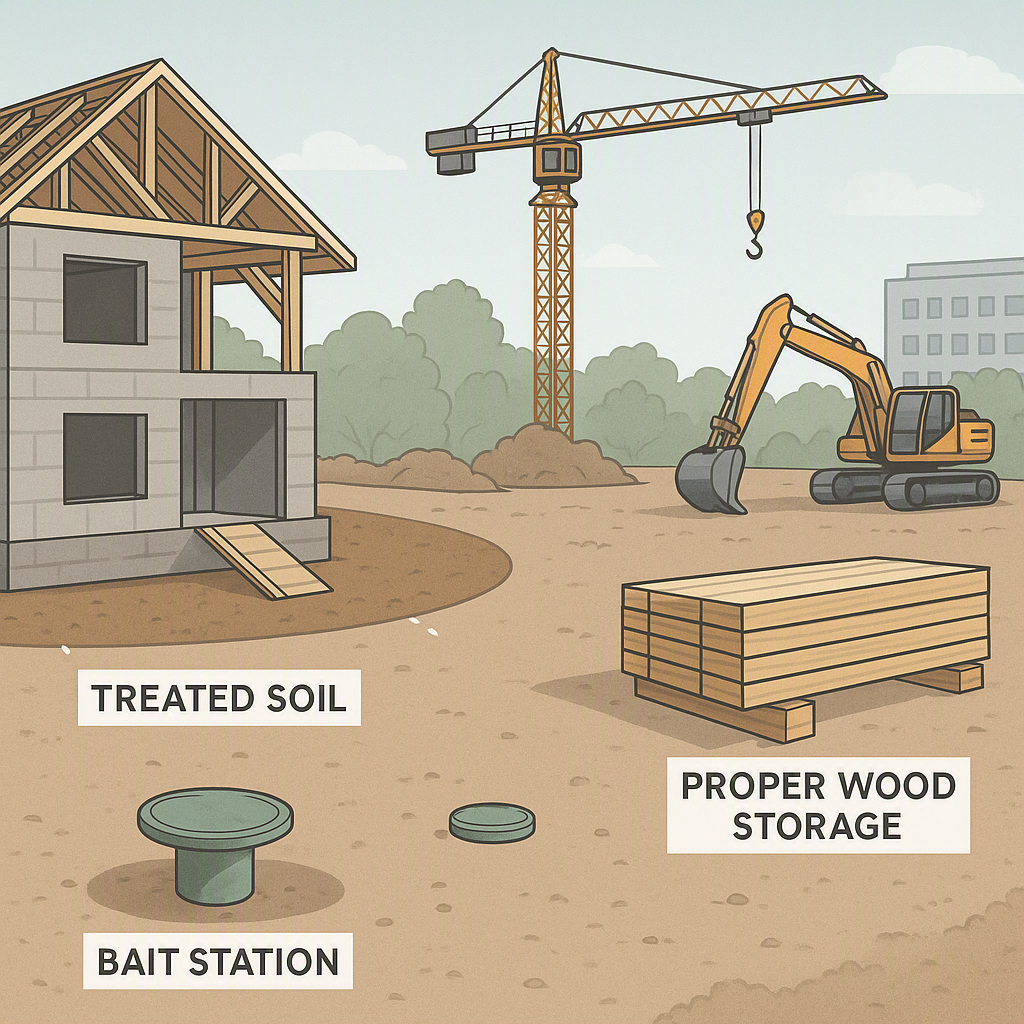
- Wood storage: Store wood off the ground and away from the building. If possible, keep it elevated on metal racks and cover it with a tarp to minimize moisture exposure.
- Waste management: Clean up wood scraps, cardboard, and other cellulose materials daily. These materials are prime targets for termites.
- Control vegetation: Avoid leaving tree stumps, roots, or any other plant material near the construction site. These can serve as food sources or direct pathways for termites.
- Seal entry points: Pay attention to cracks or gaps in the foundation or around utility conduits. Use a quality sealant to block these pathways.
4. Post-Construction Monitoring
Even with the best pre-construction treatment, termites can still find a way. That’s why monitoring is non-negotiable.
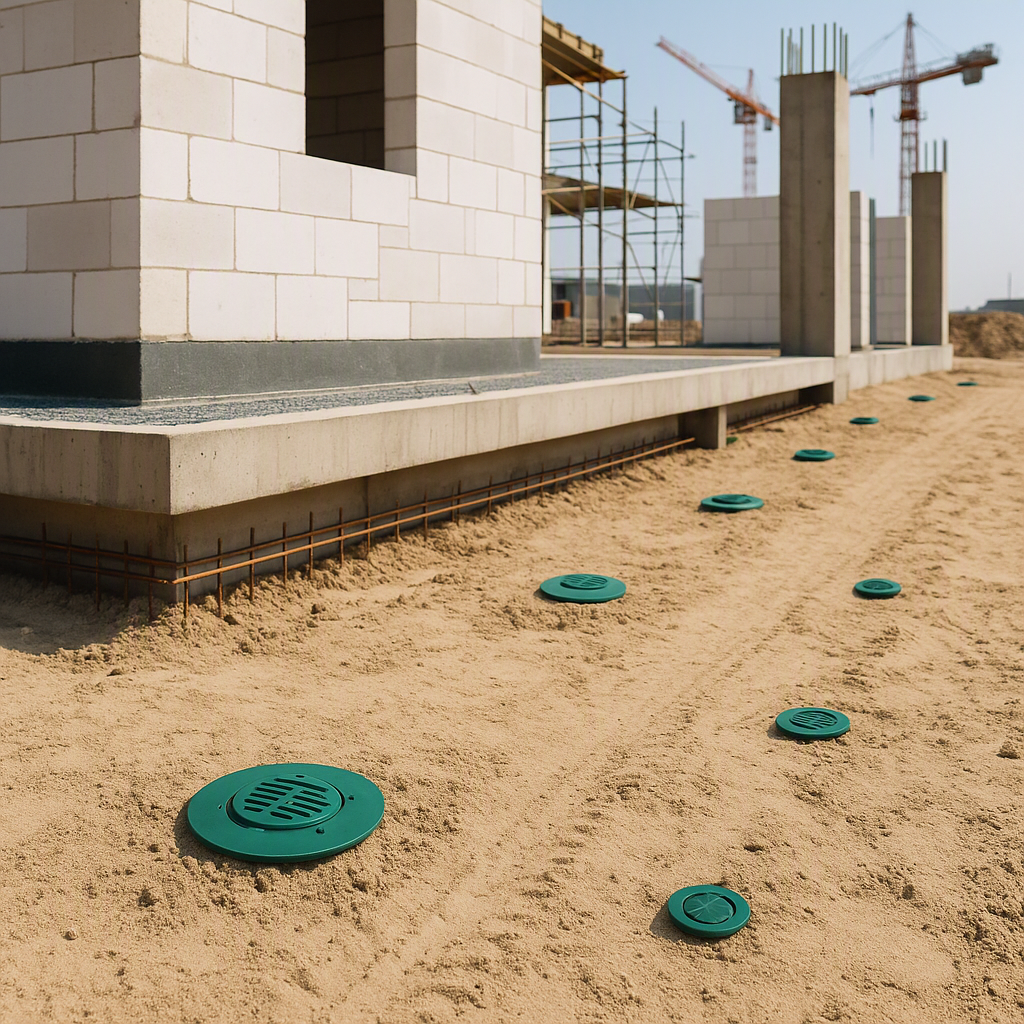
- Install bait stations: Bait stations are a non-invasive way to monitor and control termite activity. Place them at regular intervals around the structure.
- Schedule professional inspections: At a minimum, annual inspections are recommended. In termite-prone areas, semi-annual inspections might be more appropriate.
- Check for early signs: Look for mud tubes, discarded wings, or hollow-sounding wood. These are often the first indicators of termite activity.
Why IPM Works Better Long-Term
Here’s the truth: termites are stubborn. They adapt, and they don’t give up easily. An IPM approach doesn’t just rely on one method; it layers multiple strategies to outsmart termites.
| Traditional Soil Treatment | Integrated Pest Management |
|---|---|
| Focuses solely on soil treatment | Combines soil treatment, material choice, site management, and monitoring |
| Reactive: Often implemented after a problem occurs | Proactive: Prevents infestations before they start |
| Temporary solution, requires frequent reapplication | Long-term strategy with ongoing monitoring and adjustments |
| High risk of failure if not applied perfectly | Reduces risk through redundancy and multiple barriers |
For example, if soil treatment misses a spot, bait stations can catch termites trying to sneak in. If untreated wood gets left on-site, regular inspections can flag the risk before it’s too late. It’s a system, not a single solution.
What Most Teams Miss
You might think, "This sounds like a lot of work." And you’re right—it is. But skipping steps costs more in the long run. I’ve seen projects where infestations caused delays, lawsuits, and expensive repairs. Those teams thought they were saving time or money by cutting corners. They weren’t.
What’s the one step most teams overlook? Post-construction monitoring. They assume the job’s done when the building’s handed over. It’s not. Without ongoing checks, you’re gambling with your investment.
FAQs
1. Can’t I just rely on soil treatment?
No. Soil treatment is essential, but it’s not foolproof. Termites can bypass treated areas through cracks in foundations, untreated wood, or by finding alternate entry points.
2. How often should I schedule inspections?
At least once a year. In high-risk areas such as tropical or subtropical climates, inspections every six months are advisable.
3. What are the signs of a termite infestation?
Look for mud tubes, discarded wings (a sign of swarming), hollow-sounding wood, or tiny holes in wood surfaces. These are common indicators of termite activity.
4. What materials are termite-resistant?
Pre-treated wood, metal, concrete, and materials like fiber-cement boards are resistant to termite damage. Check with your supplier for local availability and compliance with building codes.
5. How do I choose a reliable pest control company?
Look for companies that specialize in Integrated Pest Management. Request references, check for industry certifications, and ensure they offer warranties on their services.
Final Thoughts
Integrated Pest Management isn’t just a buzzword—it’s the smarter way to protect your construction project. It’s proactive, comprehensive, and, frankly, more effective in the long run. Cutting corners on termite control may save time or money upfront, but it could lead to costly repairs or legal issues later. By adopting an IPM approach, you’ll not only protect your investment but also ensure peace of mind.