The Silent Threat Lurking Underground
Most of us like to think of termites as a problem for aging, neglected buildings. After all, how could a brand-new construction project—fresh concrete, pristine materials—be at risk? I used to think the same. It seemed logical: new buildings, new soil treatment, no problem. Right?
Wrong.
It took one disastrous project to change my mind. A major developer I worked with ignored pre-construction termite treatment on a high-end housing complex in Muscat. Within two years, tenants started spotting hollowed-out wooden fixtures and crumbling door frames. The cost? Thousands of Omani Rials in repairs, not to mention the reputational damage. This wasn’t some one-off. Termites don’t care if your building is fresh off the blueprint—they’ll eat through new wood as happily as old.
Why New Construction Is Especially Vulnerable
You might wonder: how can new buildings be at risk? After all, you just poured the concrete and treated the soil, didn’t you?
Here’s the thing: construction sites are often a termite buffet. Fresh wood, leftover scraps, and untreated soil create ideal conditions for colonies to thrive. And in Oman, the hot, humid climate is practically an open invitation for subterranean termites—the most destructive kind.
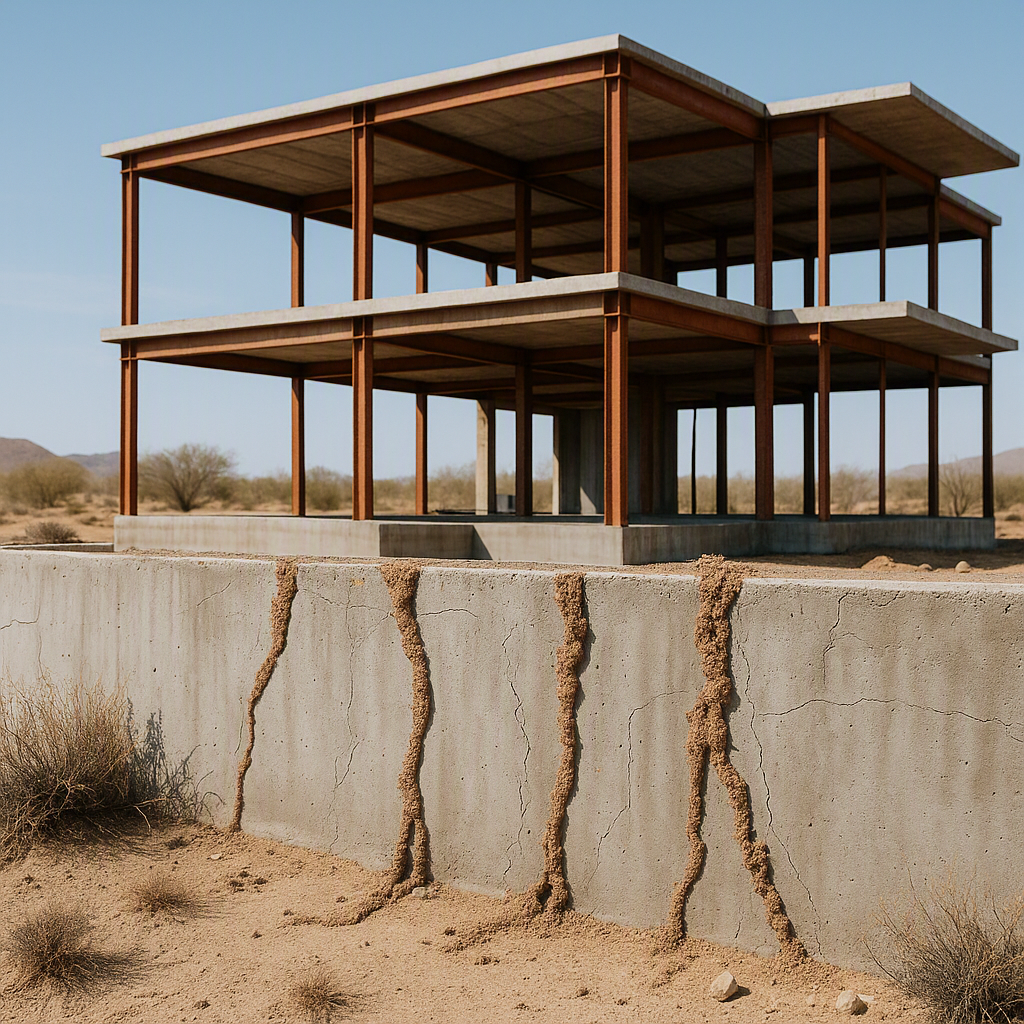
Subterranean termites are particularly problematic because they build colonies underground and travel through mud tubes to reach food sources. Any leftover wood scraps from construction, or untreated wooden structures, are easy targets. Even the smallest gaps in your foundation or untreated soil can give termites access to your building.
Even worse, many construction teams cut corners when it comes to termite prevention. Soil treatment might be rushed, or skipped entirely, to meet tight deadlines. That’s a mistake you can’t afford. Once termites establish a colony under your foundation, they’re almost impossible to eradicate without tearing things apart.
What Makes Oman a High-Risk Zone?
Oman’s climate plays a huge role in making new construction especially vulnerable. The hot, humid conditions accelerate termite activity and colony growth. Additionally, construction projects in Oman often disturb soil that’s already home to termite colonies. Without proper treatment, these colonies can quickly migrate into your new building.
The Case for Integrated Pest Management (IPM)
This is where Integrated Pest Management (IPM) comes in. It’s not just about spraying chemicals and calling it a day. IPM focuses on a combination of prevention, monitoring, and targeted treatment. Think of it as a termite insurance policy for your building.
How Does IPM Work?
Here’s a step-by-step approach to how IPM can protect your construction project:
-
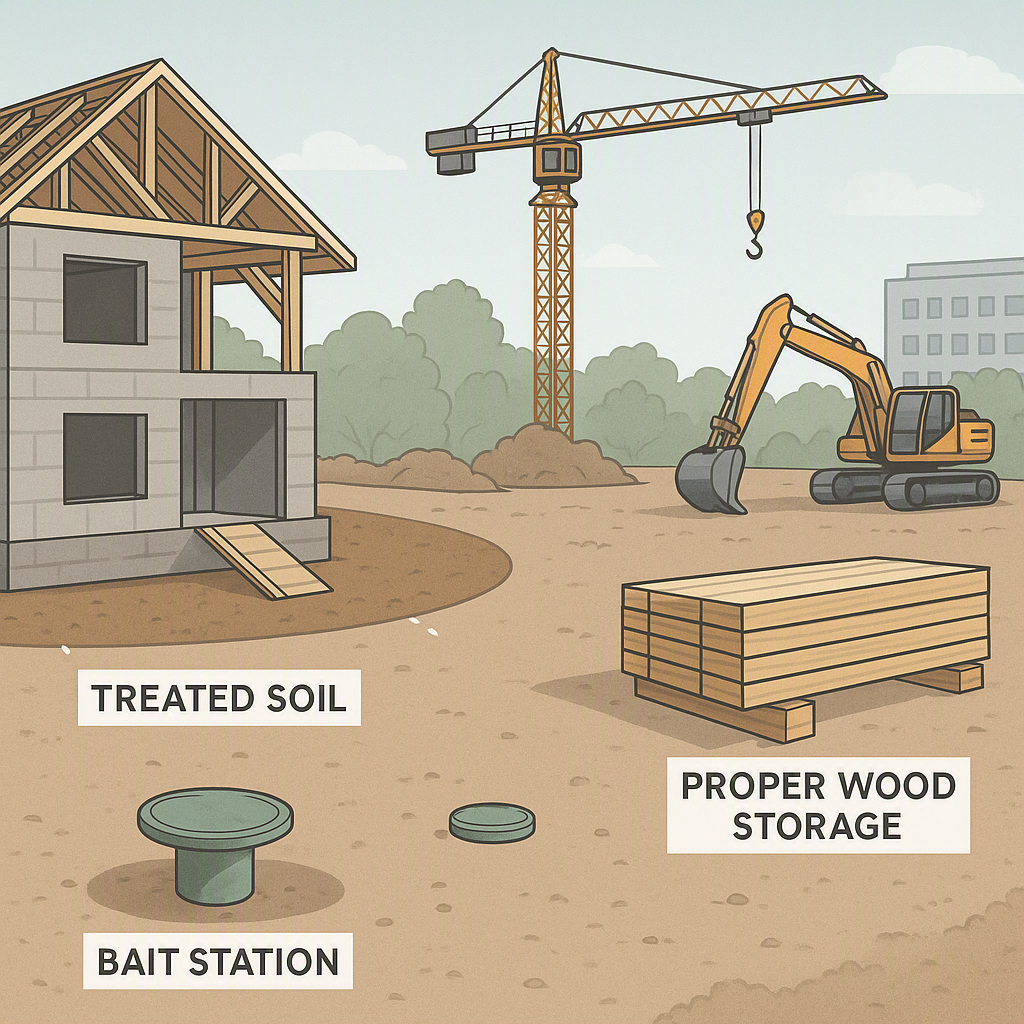
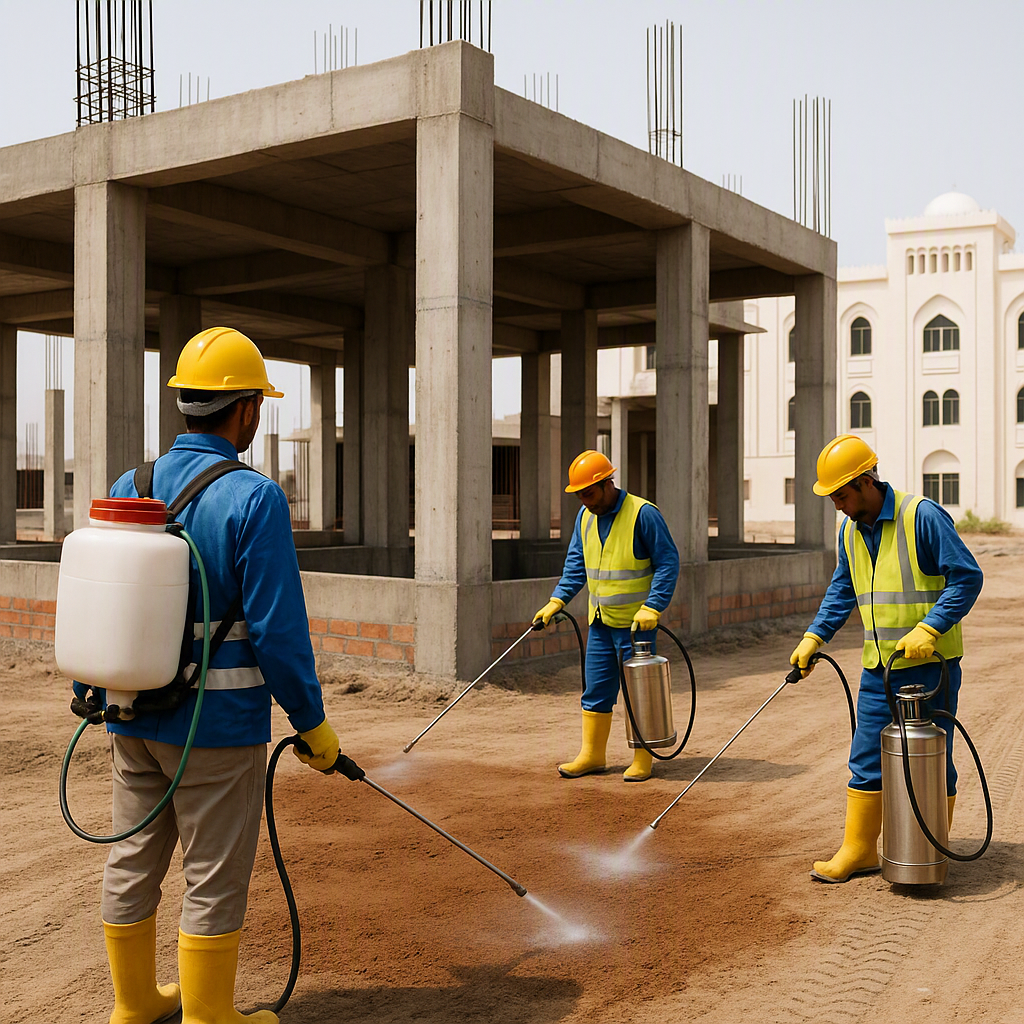
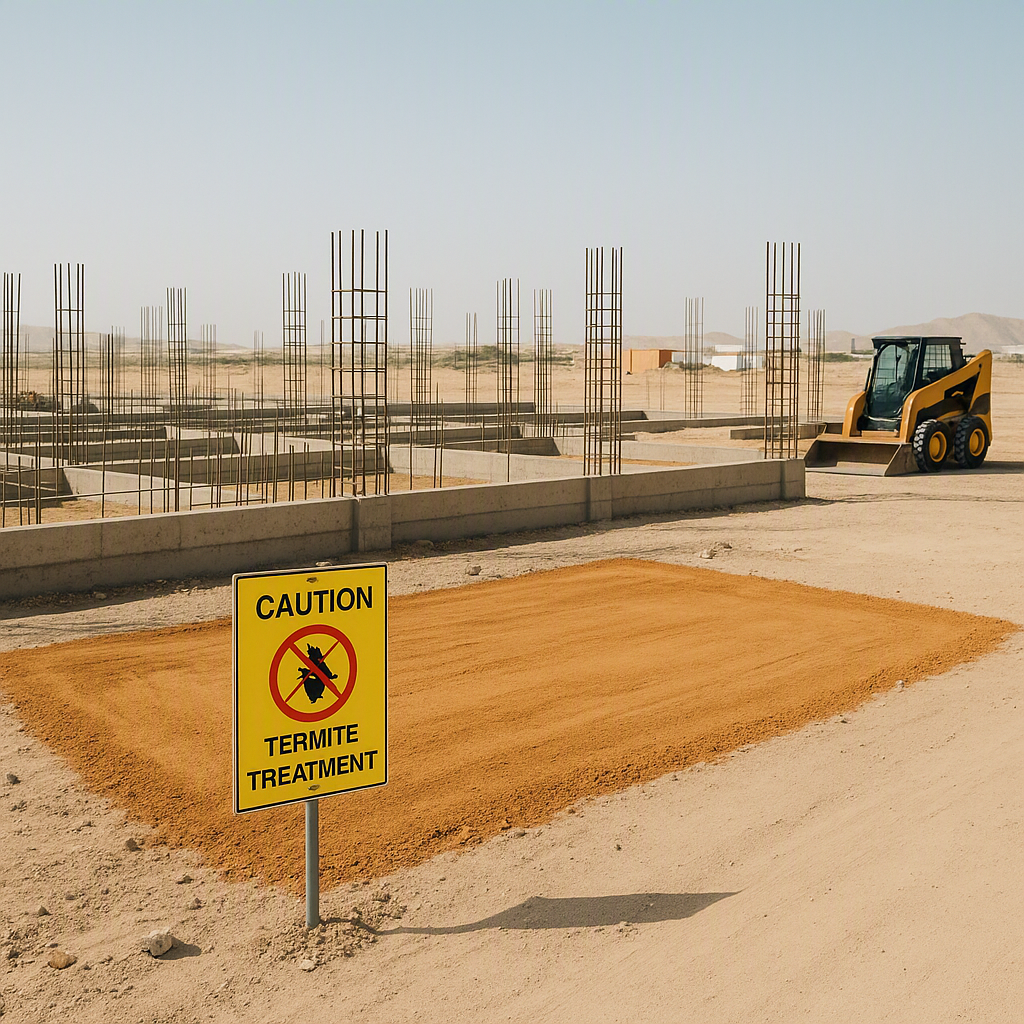
Pre-Construction Treatment: Treat the soil with termiticides before laying the foundation. This creates a chemical barrier that deters termites from entering your property.
-
Wood Treatment: Use treated wood or apply borate solutions to wooden structures that will be used in construction. This makes the wood less palatable to termites.
-
Post-Construction Monitoring: Install termite monitoring stations around the building. These stations help detect early signs of termite activity before they cause damage.
-
Regular Inspections: Schedule periodic inspections by pest control professionals to ensure the effectiveness of treatments and identify any new risks.
-
Targeted Treatment: If termites are detected, use localized treatments to eliminate colonies without disrupting the entire building.
Why IPM Is Superior to Traditional Pest Control
Traditional pest control often relies on reactive measures—treating infestations after they’re already established. IPM, on the other hand, is proactive. It combines multiple strategies to prevent infestations before they occur and ensures long-term protection. This comprehensive approach is particularly valuable in high-risk regions like Oman.
In my experience, the most successful projects are the ones where termite control is treated as a long-term strategy, not a one-time task. Many teams I’ve worked with in Oman now opt for anti-termite treatment plans with warranties extending up to 10 years. It’s not just about peace of mind—it’s about protecting your investment.
What Happens If You Skip It
Let’s be blunt: skipping termite control in new construction is like building a house on quicksand. Sure, it might look fine now, but it’s only a matter of time before things collapse—literally.
Risks of Skipping Termite Control
- Structural Damage: Termites can hollow out load-bearing beams, weakening your building’s foundation. This damage often goes unnoticed until it’s too late.
- Cost Overruns: Repairing termite damage is far more expensive than preventing it. Replacement of structural wood and fixtures can quickly spiral into tens of thousands of Omani Rials.
- Legal Liability: If you’re a developer, tenants could sue for negligence if their homes are infested. This is especially true if termite control was skipped entirely.
- Reputation Hits: Word spreads fast, especially in a close-knit market like Oman. One bad project can damage your credibility for years.
What You Can Do Right Now
If you’re planning a construction project in Oman, there are steps you can take to protect your investment:
Actionable Steps
- Don’t Skip Pre-Construction Treatment: Insist on high-quality termiticides and ensure they’re applied correctly to all areas of the soil before laying the foundation.
- Partner with Professionals: Hire a reputable termite control service that specializes in construction projects. Verify their experience and ask about warranties.
- Use Treated Wood: Whenever possible, opt for treated wood or apply borate treatments yourself. This adds an additional layer of protection.
- Conduct Regular Inspections: Schedule periodic inspections even if your building is brand-new. Early detection can save you from costly repairs.
- Educate Your Team: Train your construction crew to recognize signs of termite activity and avoid practices that attract termites, like leaving wood scraps on-site.
Common Mistakes in Termite Control
- Relying Solely on Pre-Construction Treatment: It’s not enough. Post-construction monitoring is equally important.
- Choosing the Cheapest Option: You get what you pay for. Low-cost treatments often use inferior chemicals that don’t last.
- Ignoring the Warranty: If your treatment comes with a warranty, use it. Many businesses forget to schedule follow-ups and lose out on guaranteed protection.
- Skipping Free Inspections: If a company offers a free inspection, take it. It’s an easy way to identify risks without committing upfront.
- Neglecting Documentation: Always keep records of termite treatments and inspections. This can be invaluable for legal or insurance purposes.
FAQ
Q: Can’t I just deal with termites if they show up later?
A: You could, but by the time you notice them, the damage is usually extensive—and expensive. Prevention is always cheaper and easier than repairs.
Q: How long does pre-construction treatment last?
A: High-quality treatments can last up to 10 years, but regular monitoring is still crucial. Environmental factors may affect the longevity of the treatment.
Q: What’s the difference between IPM and regular pest control?
A: IPM is a comprehensive approach that combines prevention, monitoring, and targeted treatment, whereas traditional methods often rely on reactive measures.
Q: Are termiticides safe for the environment?
A: Many modern termiticides are designed to be eco-friendly and have minimal impact on surrounding ecosystems. Always check with your pest control provider.
Q: How can I tell if termites are present post-construction?
A: Look for signs like mud tubes along walls, hollow-sounding wood, or discarded wings near windows and doors. Regular inspections can also detect activity early.
Decision Framework: Pre-Construction vs Post-Construction Termite Control
| Aspect | Pre-Construction Treatment | Post-Construction Monitoring |
|---|---|---|
| Cost | Lower upfront cost | Higher cost if infestation occurs |
| Effectiveness | Prevents infestations entirely | Detects and mitigates existing activity |
| Time Commitment | One-time application | Regular inspections required |
| Risk Level | Minimal risk if done correctly | Moderate risk depending on timing |
| Best For | New construction projects | Existing buildings in termite-prone areas |
The Bottom Line
If you’re in the construction or real estate business in Oman, termite control isn’t optional—it’s essential. The risks of skipping it far outweigh the upfront cost of doing it right. By investing in Integrated Pest Management and maintaining long-term vigilance, you can protect your buildings, your reputation, and your bottom line.