The Problem with Generic Insect Sprays
Let’s get real. Most off-the-shelf insect sprays aren’t built for serious termite problems. They’re fine for the occasional cockroach or flying pest, but termites? Entirely different ballgame. Termites don’t just wander into your space—they live deep in wood, soil, and structural crevices. A surface spray won’t cut it. If you're in construction or real estate, ignoring proper anti-termite solutions can cost you big time down the road.
In my experience, I’ve seen construction teams rely on generic sprays, thinking they’re saving money. Fast-forward a year, and they’re dealing with structural damage costing tens of thousands to fix. Not ideal, right?
Why Termite-Specific Treatments Matter
Termites aren’t like other pests. They require targeted, deep-penetrating treatments. A professional-grade insecticide, often part of Integrated Pest Management (IPM), doesn’t just kill termites on contact—it creates a barrier in the soil and around wood structures to prevent future infestations.
Why Generic Sprays Fall Short
Generic insect sprays are designed to eliminate surface-level pests like ants, flies, or cockroaches. These pests are relatively easy to deal with because they don’t create colonies deep within structural elements. Termites, on the other hand, are far more invasive. They don’t just scavenge for food on surfaces—they nest underground or inside the wood, making it nearly impossible for a basic spray to reach them. In other words, generic sprays only address the symptoms (the termites you can see), not the root problem (their hidden colonies).
The Role of a Chemical Barrier
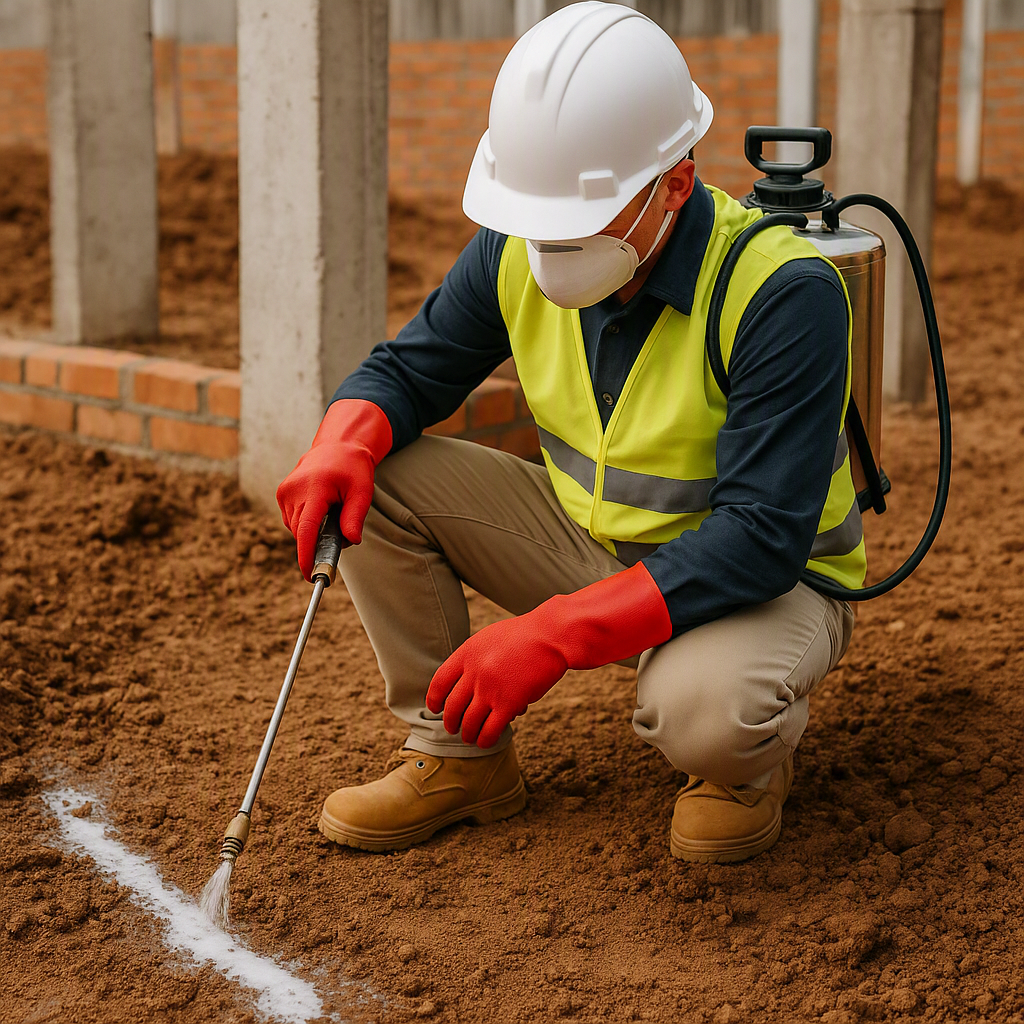
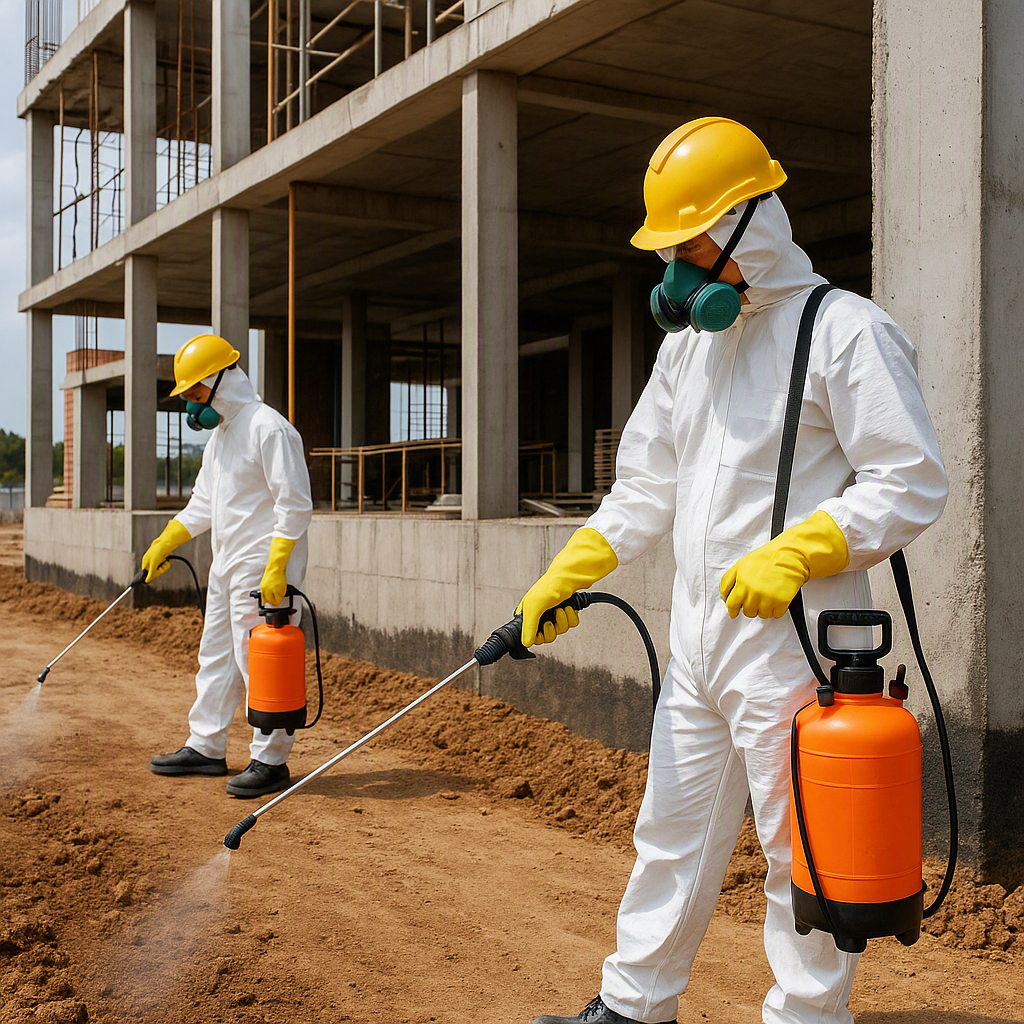
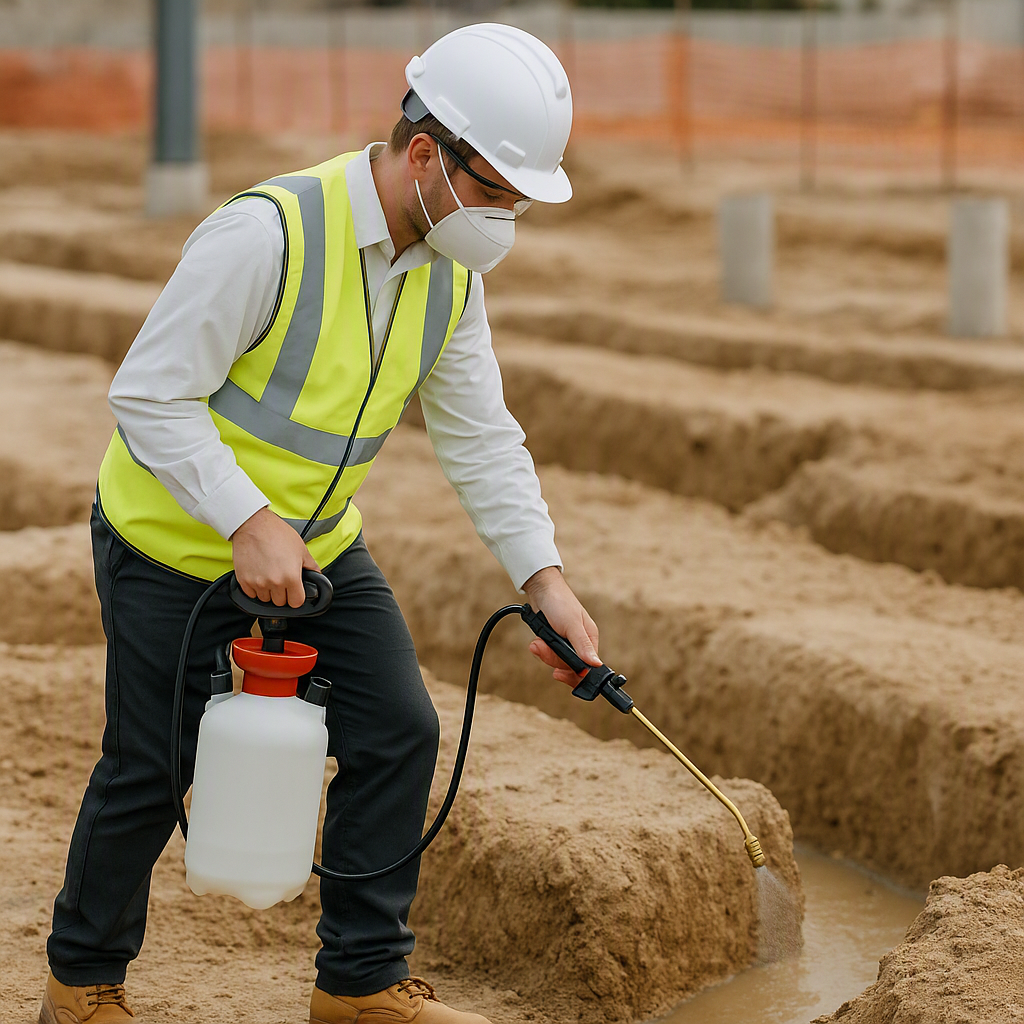
A termite-specific treatment establishes a chemical barrier that termites can’t cross. For example, during pre-construction in Oman, applying specialized anti-termite sprays directly to the soil before laying the foundation is critical. Why? Termites travel underground. If the foundation isn’t treated correctly, no amount of post-construction spraying will save you.
Here’s how this works:
- Pre-Construction Application: The soil is treated with a termiticide before the foundation is poured. This ensures that termites can’t use the soil underneath as a pathway into the structure.
- Post-Construction Application: For existing buildings, professional pest control services typically drill into the foundation to inject the termiticide directly where termites are likely to enter.
By targeting termites where they live and travel, these treatments achieve far better results than surface sprays ever could.
What to Look for in an Insect Control Spray
Not all sprays are the same. Here’s what separates the effective ones from the rest:
-
Active Ingredients
- Look for termiticides like fipronil or imidacloprid. These chemicals are proven to work against termites by disrupting their nervous systems. Unlike broad-spectrum insecticides, these ingredients are designed specifically for termites.
-
Residual Effect
- Some sprays are short-lived, which means you’ll need to reapply frequently. A good anti-termite spray should last for years, not weeks. For example, a high-quality soil treatment can protect your property for up to a decade, while some lower-grade products may need reapplication within a year.
-
Soil Penetration
- Shallow treatments won’t stop subterranean termites, which are the most common and destructive type. A quality spray must sink deep into the soil to create a long-lasting chemical barrier that termites can’t bypass.
-
Safety Standards
- Always check if the spray adheres to local safety regulations. Using unsafe chemicals can jeopardize workers’ health and the environment. Look for certifications or safety data sheets provided by the product manufacturer.
Practical Comparison Table
| Feature | Generic Insect Spray | Termite-Specific Spray |
|---|---|---|
| Target Pests | General pests (ants, flies, roaches) | Termites only |
| Depth of Penetration | Surface-level only | Deep soil/wood penetration |
| Residual Effectiveness | Days to weeks | 5-10 years |
| Cost per Application | Low | Moderate to High |
| Long-Term Effectiveness | Minimal | High |
When to Use Professional Services
Can you DIY termite control? Honestly, not for large-scale projects. If you’re managing a construction site or a real estate development, professional-grade treatments with warranties are non-negotiable. Here’s why:
- Precision Application: Professionals know where to apply treatments for maximum impact. A DIY approach often misses critical areas, especially underground or within foundations.
- Compliance: Many countries, including Oman, have regulations around pesticide use. Licensed professionals ensure you stay compliant with these laws, avoiding hefty fines or liability issues.
- Long-Term Guarantees: Many professional services offer warranties (some up to 10 years). This gives you peace of mind, knowing you’re covered if termites return.
At Termite Control, we’ve developed a termite control service tailored for construction and real estate companies in Oman. We combine IPM practices with top-tier materials to deliver safe, effective, and long-lasting termite protection.
Common Mistakes to Avoid
-
Assuming All Pests Are the Same
- What works for ants or cockroaches won’t work for termites. Termites behave differently, live differently, and require a completely different approach.
-
Skipping Soil Treatment
- This is critical for new construction. Without it, termites will access your property from below, bypassing any surface treatments.
-
Using Cheap Sprays
- Low-cost sprays often lack penetration and residual strength. They might kill visible termites but won’t address the colony.
-
Ignoring Professional Help
- For larger projects, trying to save on professional services usually backfires. The cost of fixing termite damage far outweighs the upfront investment in proper treatments.
FAQs
Q: Can I use general-purpose insect sprays for termites?
A: No. General-purpose sprays might kill termites on the surface, but they won’t penetrate deep enough to eliminate colonies. Termites are subterranean and require targeted treatments.
Q: How often should anti-termite sprays be applied?
A: It depends on the product. Pre-construction soil treatments can last up to 10 years, while surface treatments might need reapplication every 3-5 years.
Q: Are these sprays safe for construction workers?
A: High-quality, professionally applied sprays adhere to safety standards. Always ensure the product and service provider are certified.
Q: What’s the best time to apply anti-termite spray in construction?
A: Pre-construction soil treatment is ideal. It’s much harder (and costlier) to address infestations after the building is complete.
Q: Can I spot-treat a termite problem instead of treating the whole area?
A: Spot treatments may kill termites in visible areas but won’t eliminate the colony. Comprehensive treatment is always recommended for long-term control.
The Bottom Line
Choosing the right insect control spray isn’t just about killing pests—it’s about preventing long-term damage. For construction and real estate projects, termite-specific treatments are essential. Don’t gamble with generic sprays. Go with proven methods and materials that provide real protection.
If you’re dealing with termite control in Oman, we can help. Learn more about our anti-termite treatment →