What I Used to Think
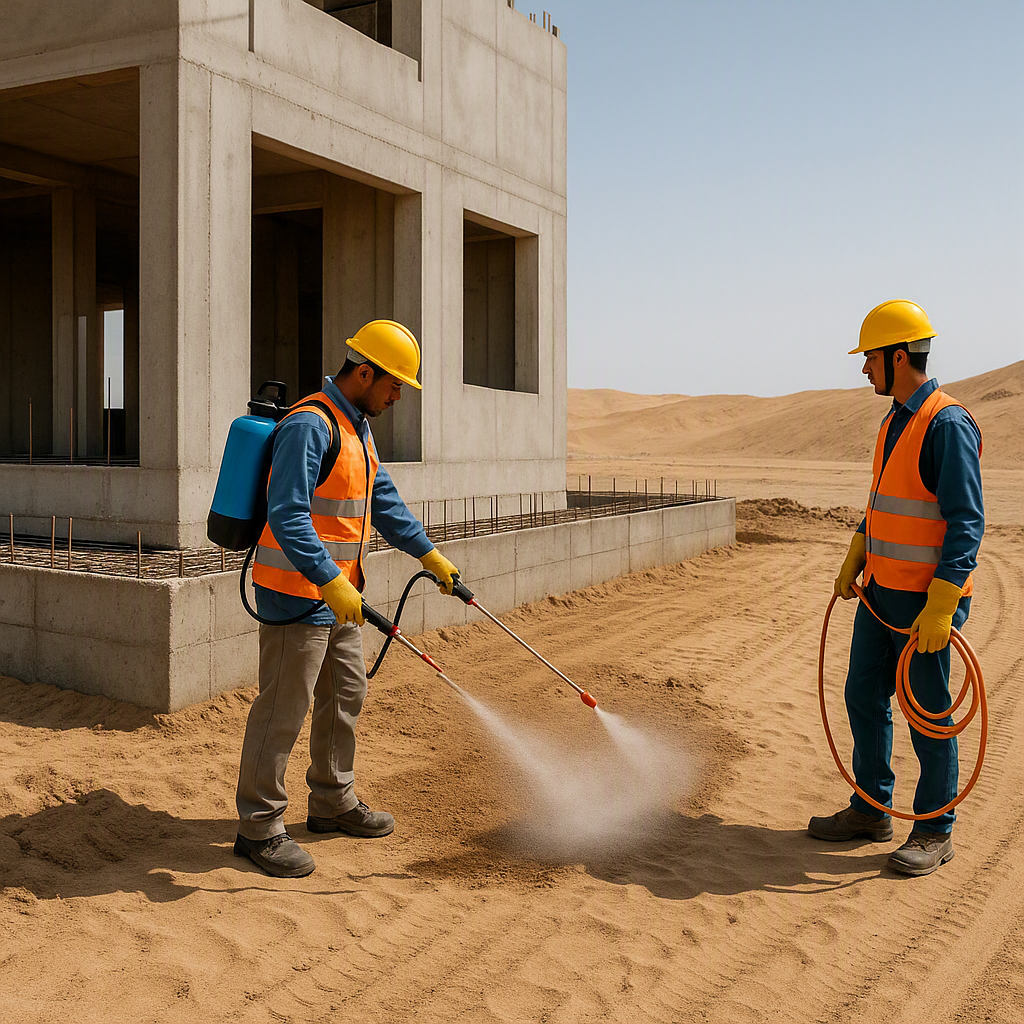
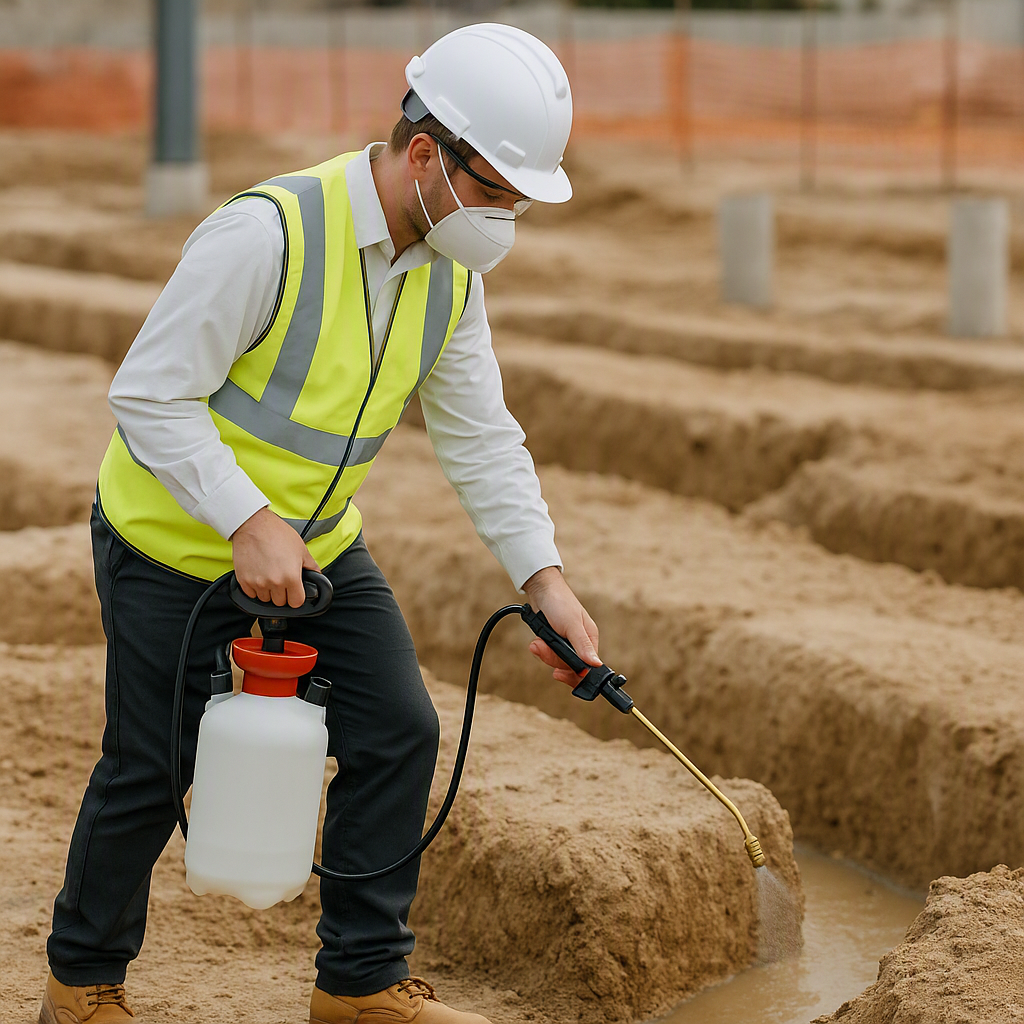
I used to believe termite control was about blasting the soil and wood with chemicals. The more potent, the better. It seemed obvious: termites are destructive, so hit them hard and fast. Many construction teams I worked with felt the same way. They wanted something quick, powerful, and out of sight.
But then I started noticing patterns. Treatments that looked great on paper were failing after a couple of years. Entire buildings were under attack again. The chemicals weren’t enough.
The Thing That Changed It
Over time, I learned about Integrated Pest Management (IPM). IPM is not just about spraying chemicals; it’s about combining multiple strategies like physical barriers, soil treatments, building design adjustments, and ongoing inspections. This comprehensive approach aims to prevent termite infestations rather than just reacting to them.
Why the Old Belief Survived So Long
It’s easy to see why. Chemical treatments feel tangible—they’re visible, measurable, and immediate. You spray, you treat the soil, and you’re done. Plus, they’re often cheaper upfront. Many construction teams want quick fixes, and chemical-only treatments check that box.
IPM, on the other hand, looks abstract at first glance. It’s a mix of strategies, not a single solution. It requires coordination between pest control teams and architects, which can be a headache. And let’s be honest—when budgets are tight, preventive measures often get deprioritized.
What We Do Differently Now
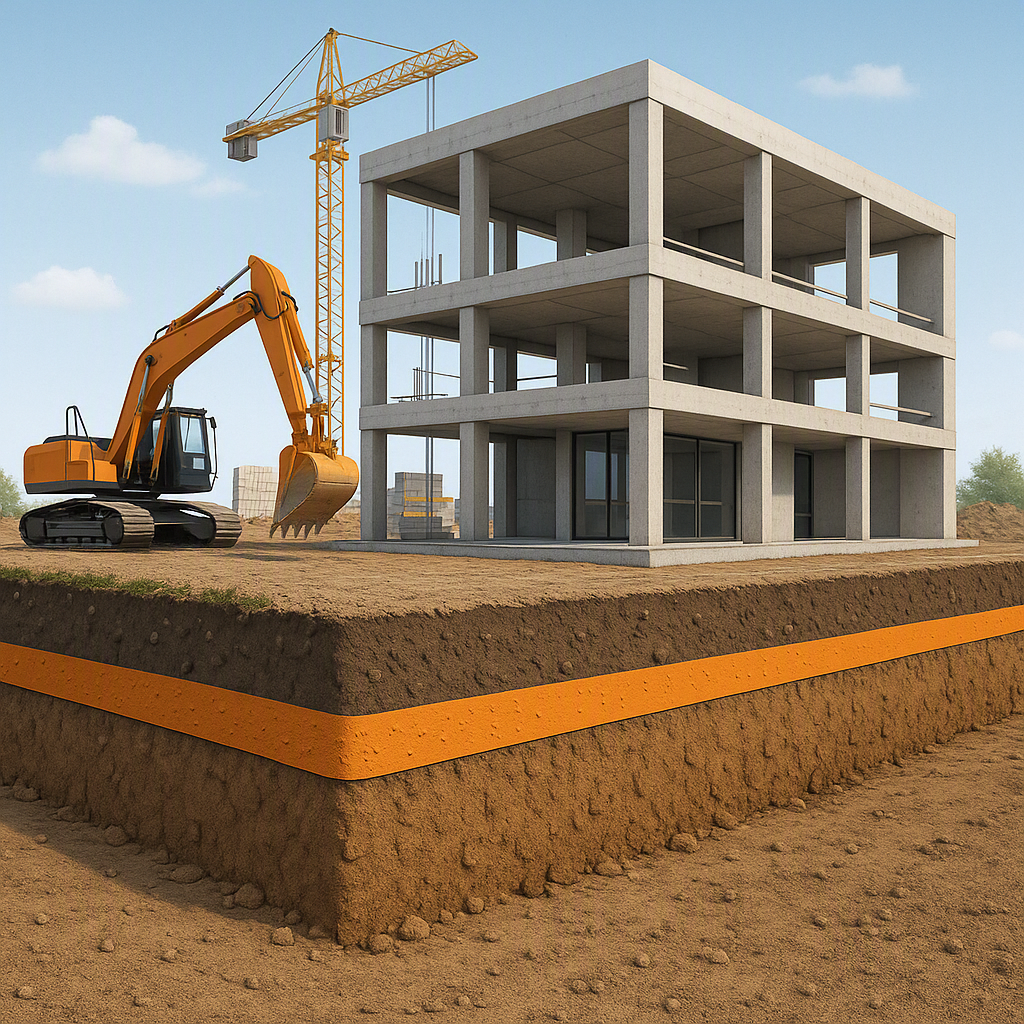
We’ve shifted to IPM as the default approach for termite control. That means combining chemical treatments with physical barriers (like termiticide-treated membranes) and advising clients on construction practices that reduce termite risks. For example, using concrete foundations instead of untreated wood and ensuring proper drainage to keep the soil dry.
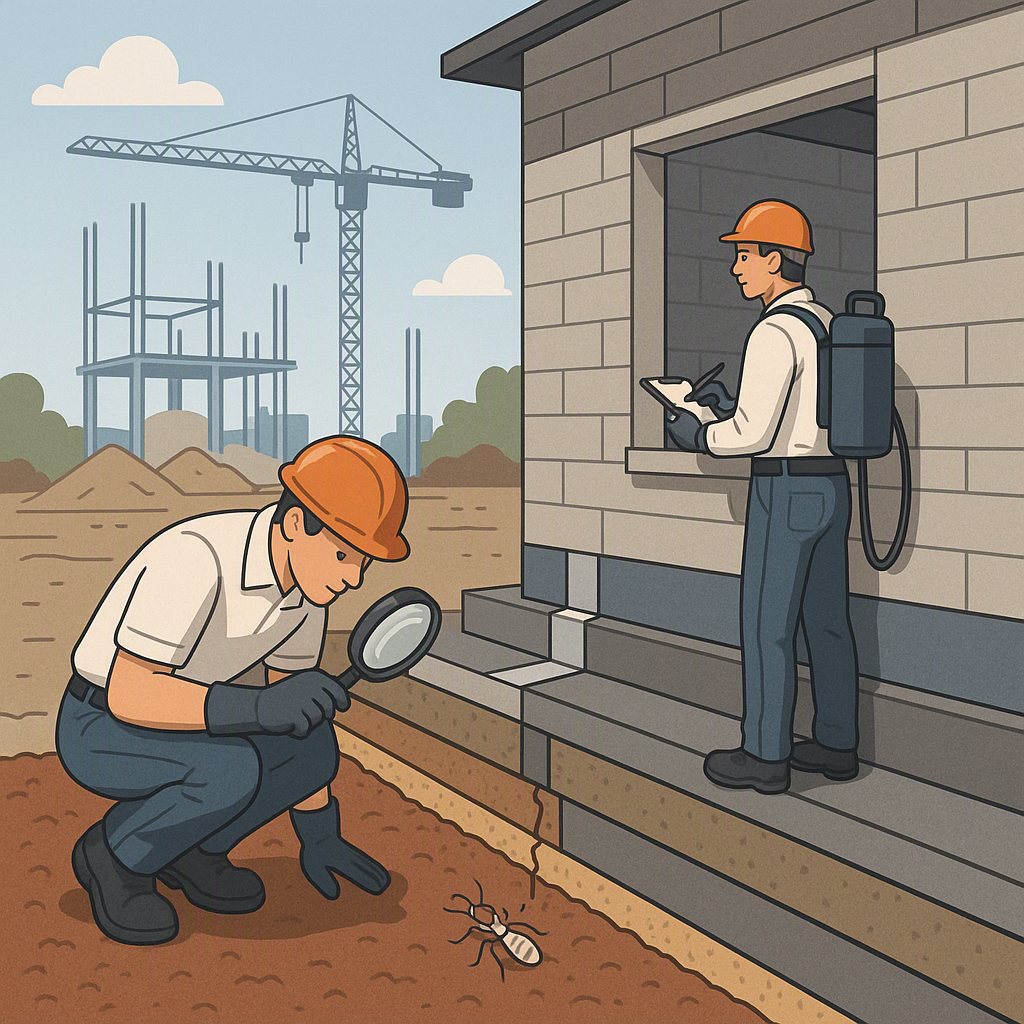
We also offer long-term maintenance contracts for real estate companies. These include routine inspections to catch problems early, before termites get a foothold again. It’s not flashy, but it works.
What Being Wrong Cost
Ignoring IPM can lead to costly consequences. Chemical-only treatments may fail over time, requiring expensive rework and potentially damaging reputations. By adopting IPM from the start, the risk of repeat infestations can be significantly reduced.
Even now, there are limits to IPM. It’s not a magic bullet. In areas with high humidity or poor soil drainage, termites can still find a way in despite best practices. And convincing clients to invest in preventive measures takes effort. Some still want quick fixes, and we have to work hard to explain why IPM is worth it.
FAQ
Q: Is IPM more expensive than traditional termite treatments?
A: Upfront, yes. It involves more planning and coordination. But long-term, it’s cheaper because it reduces the risk of repeat infestations.
Q: What’s included in an IPM approach?
A: It combines chemical treatments, physical barriers, construction adjustments, and ongoing inspections. The goal is to stop termites before they cause damage.
Q: How often should termite inspections be done?
A: For high-risk areas, we recommend annual inspections. For properties with low risk, every two years should suffice.
If you're dealing with termites or planning new construction, our anti-termite treatment service can help. Learn more →