Termites Don't Start on Walls. They Start in the Soil.
Most people think termites attack from the top down—crawling onto walls, munching through wooden beams, and leaving those telltale hollow tracks. But here's the hard truth: termites usually invade from below. They build colonies underground and attack upward through hidden mud tunnels. If you're not treating the soil beneath your construction site, you're practically laying out a welcome mat for them.
Why Soil Treatment Matters
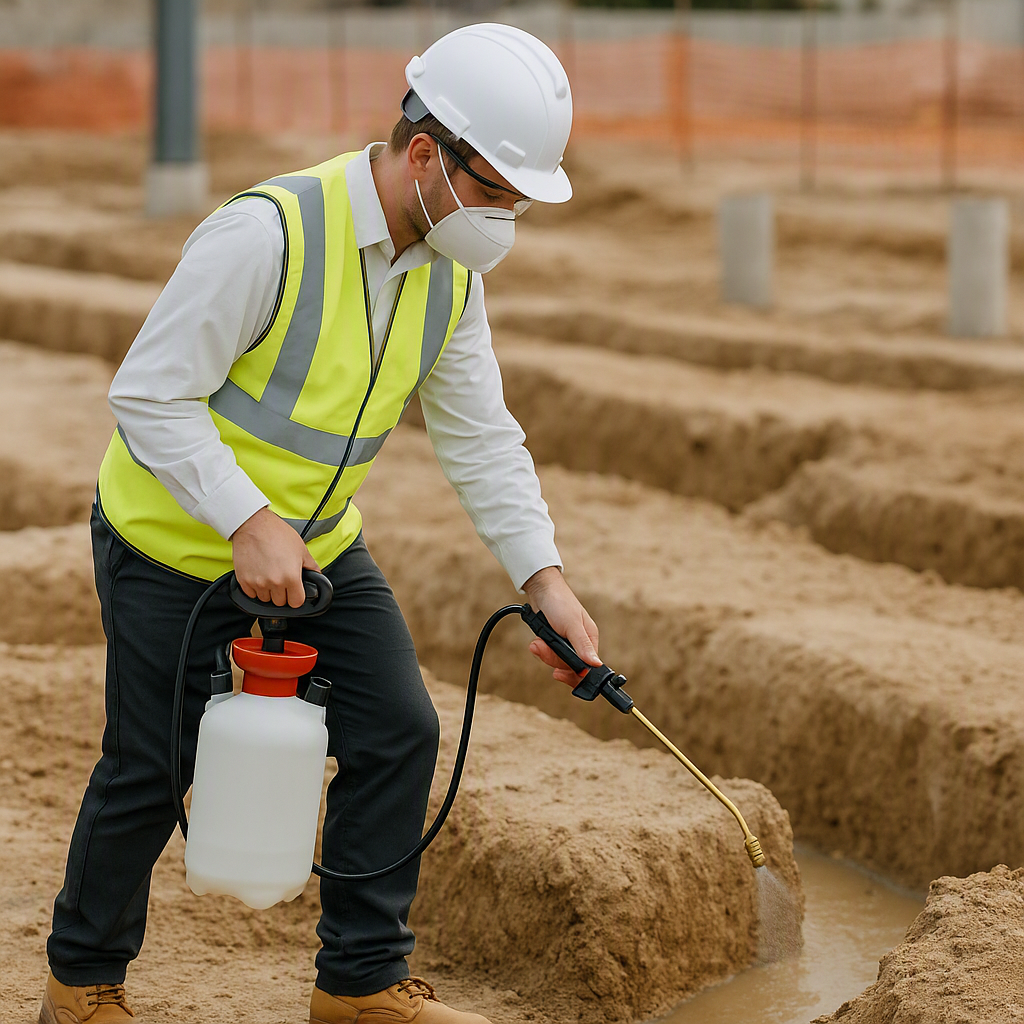
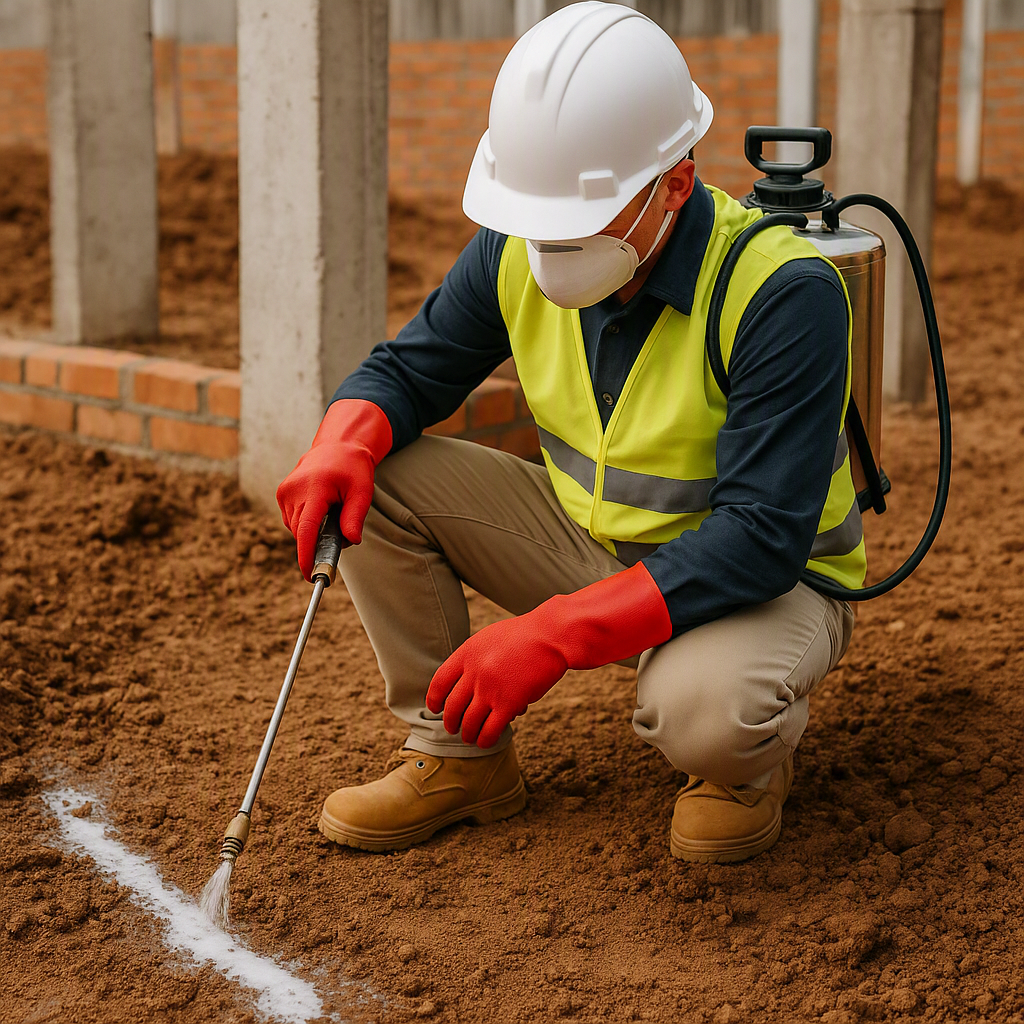
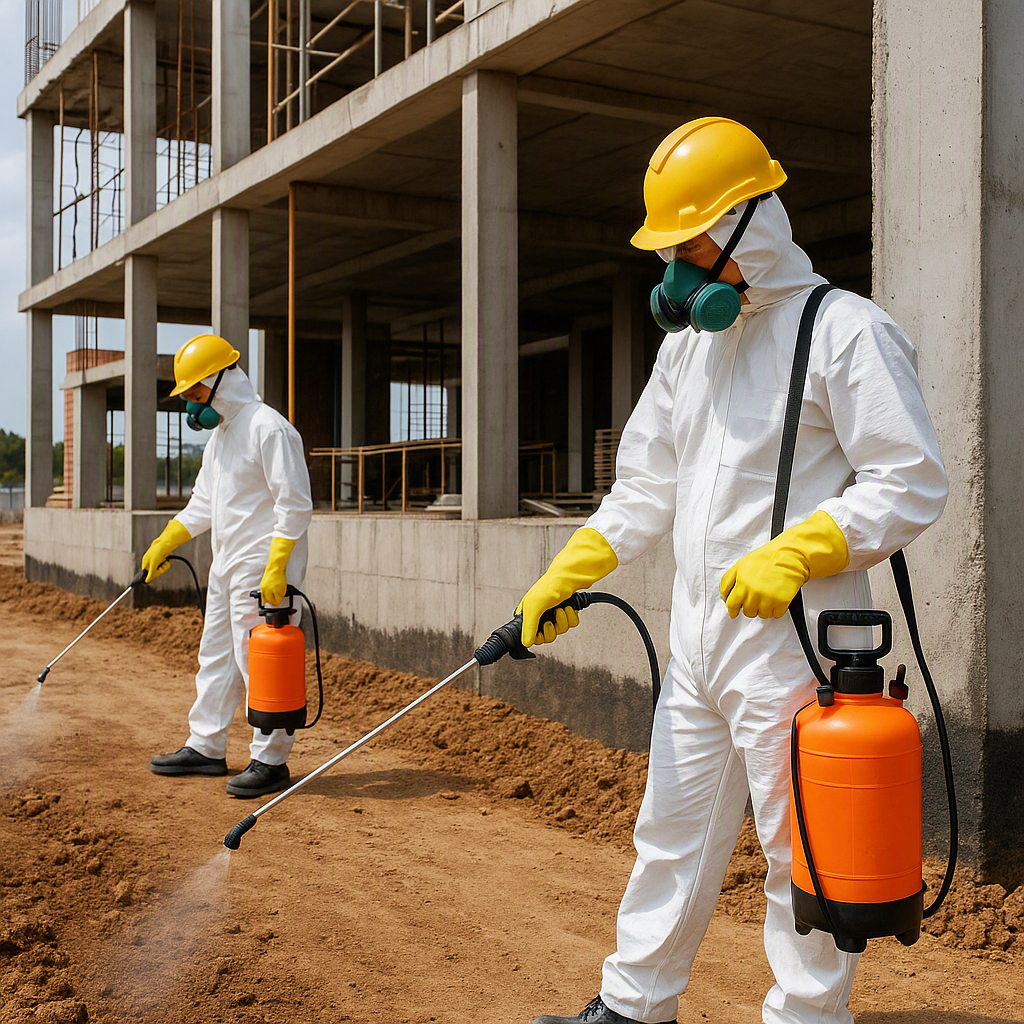
Soil treatment creates a chemical barrier around your building's foundation. This barrier doesn't just kill termites on contact; it also repels them, forcing colonies to relocate. It's not glamorous work, but it's crucial. Without treated soil, termites can bypass other defenses, like physical barriers or treated wood.
The Hidden Cost of Neglecting Soil Treatment
For construction companies and real estate developers, this is especially critical. Imagine completing a multi-million-dollar project only to have complaints about termite damage rolling in within a year. Not only does it ruin your reputation, but repairing termite damage is expensive—far more than the cost of preventive soil treatment. According to a 2021 report by Orkin, termite damage in the U.S. alone costs property owners over $5 billion annually. Construction projects in particular face higher risks due to the complexity and size of the structures involved.
Beyond repair costs, the long-term consequences include delays in sales, a tarnished reputation, and potential legal disputes with disgruntled buyers. In some cases, legal fees and penalties for building code violations can even exceed the cost of the original construction.
What Makes a Good Soil Treatment?
A good soil treatment isn’t just about dumping chemicals into the ground. It’s about precision and preparation. Consider these three critical factors:
1. Timing
Soil treatment should ideally be done during the early stages of construction, before the foundation is laid. This ensures that the chemical barrier is uninterrupted and adequately protects the structure. Post-construction treatments are far less effective because they can’t reach the soil directly beneath the foundation.
2. Depth and Coverage
The treatment must penetrate deep into the soil and cover the entire perimeter of the building. Skipping corners or leaving untreated gaps can create vulnerabilities, much like locking your front door but leaving a window open. A thorough application ensures that termites cannot find a weak point to exploit.
3. Quality Chemicals
Not all chemicals are created equal. Many companies market “eco-friendly” solutions, but it’s important to ensure these products are effective and long-lasting. For example, some treatments offer protection for up to 10 years, but only if applied correctly and in the right environmental conditions. Look for termiticides that have been tested and approved by reputable pest control associations.
Additional Considerations
- Soil Type: Sandy soils absorb chemicals differently than clay or loamy soils. This means the type of soil at your site will influence the choice of treatment and application technique.
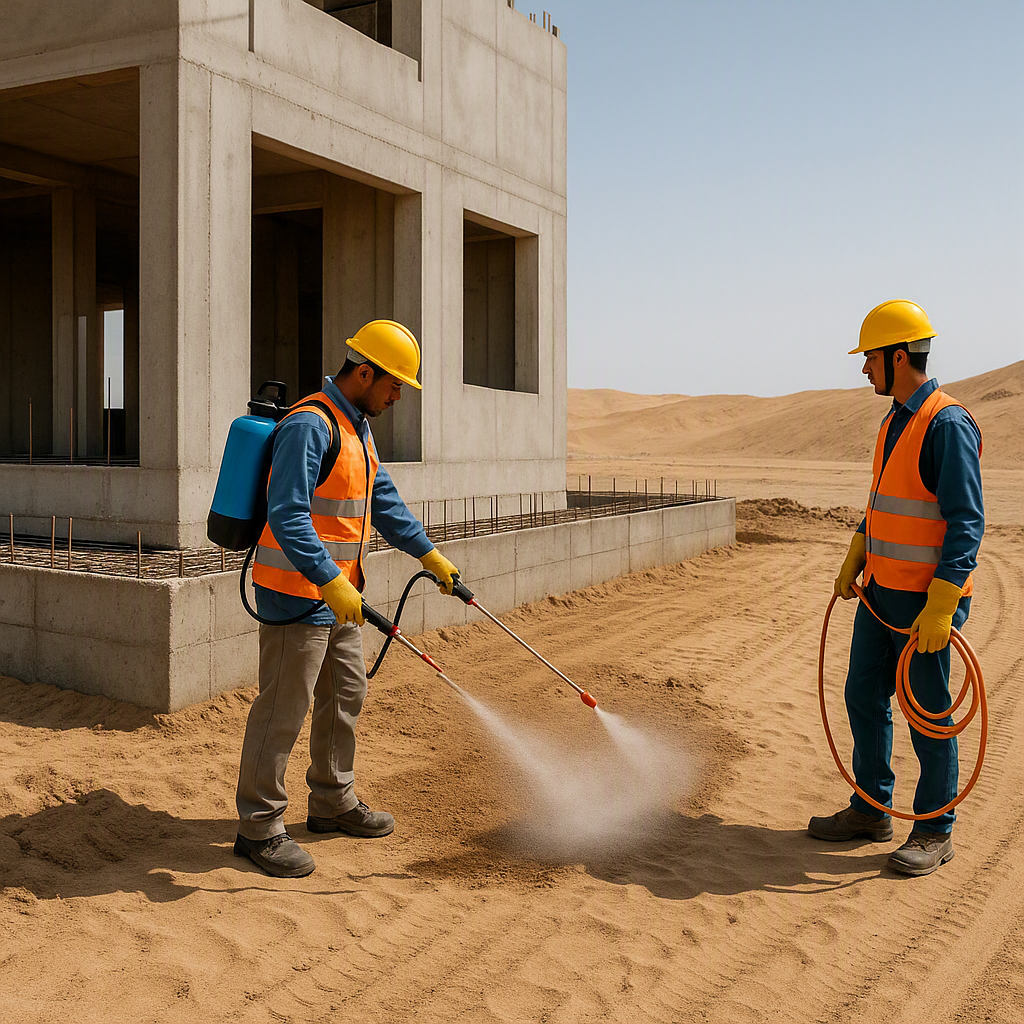
- Weather Conditions: Rainfall or high humidity can dilute treatments, reducing their effectiveness. In regions like Oman, where high temperatures and sandy soils dominate, specific formulations are needed to ensure durability.
Integrated Pest Management (IPM): The Smarter Approach
Here’s where many teams get it wrong: they think a single round of soil treatment is enough. It’s not. Effective termite control relies on multiple layers of protection. That’s why Integrated Pest Management (IPM) is the gold standard.
What Is IPM?
IPM is a holistic approach to pest control that combines several methods:
- Pre-Construction Soil Treatment: Creates the first line of defense.
- Physical Barriers: Includes materials like stainless steel mesh or chemically treated membranes that physically block termite entry.
- Ongoing Monitoring: Regular inspections and the use of baiting systems to identify and address termite activity before it becomes a major issue.
- Localized Treatment: If termites are detected, additional treatments (e.g., spot treatments or baiting) can be applied precisely where needed.
Adapting IPM to Local Conditions
IPM isn’t a one-size-fits-all solution. For example, in tropical or desert climates, where soil conditions and weather extremes vary, you may need specialized chemical formulations or enhanced physical barriers. Consulting with a pest control professional who understands your region’s specific challenges is essential.
Common Mistakes in Soil Treatment
Even when teams attempt soil treatment, they often make these mistakes:
- Skipping Pre-Construction Treatment: Once the foundation is poured, it’s almost impossible to treat the soil properly. Pre-construction treatment ensures full coverage and long-term protection.
- Uneven Application: Gaps in the treated soil leave openings for termites to bypass the barrier. Precision and thoroughness are non-negotiable.
- Using Cheap Chemicals: Budget solutions may seem attractive, but they’re often short-lived and less effective. High-quality chemicals ensure long-term protection and fewer callbacks.
- Ignoring Local Conditions: What works in one region might fail in another. For example, high-humidity regions require moisture-resistant solutions, while arid regions demand chemicals that perform well in sandy soils.
FAQ: Soil Treatment for Termite Control
1. Is soil treatment safe for the environment? Modern treatments are designed to minimize environmental impact. They target termites specifically while being safe for humans and pets when applied correctly. Always use licensed professionals to ensure proper handling and application.
2. How long does soil treatment last? High-quality products can last up to 10 years, but this depends on factors like soil type, weather conditions, and the construction process. Regular inspections are recommended to ensure continued effectiveness.
3. Can I do soil treatment after construction? It’s possible but far less effective. Retrofitting a chemical barrier after construction often involves drilling through concrete to inject termiticide into the soil, which can be labor-intensive and expensive.
4. How often should soil treatment be reapplied? This depends on the product used and local conditions, but a good rule of thumb is every 5–10 years. Regular inspections by a licensed pest control company can help determine the appropriate timeline.
5. What factors affect soil treatment effectiveness? Key factors include soil type, climate, construction practices, and the quality of chemicals. For example, overly sandy soils may require a different application method compared to clay-rich soils.
Decision Framework: Is Soil Treatment Right for Your Building?
| Scenario | Recommended Action |
|---|---|
| Pre-construction phase | Invest in a comprehensive soil treatment plan. This is the most cost-effective and reliable option for long-term protection. |
| Post-construction, with no prior treatment | Consult a professional for retrofitting options, such as injecting termiticides or installing baiting systems. |
| High-risk areas (e.g., tropical climates) | Combine soil treatment with IPM strategies like physical barriers and regular monitoring. |
| Budget constraints | Prioritize high-quality chemicals over cheaper, short-term solutions. Skimping now will cost more later. |
Final Thoughts
Soil treatment might not be the most exciting part of construction, but it’s one of the most important. Neglect it, and you’re inviting termites to feast on your investment. Do it right, and you’re setting the foundation (literally) for a termite-free future.
If you’re planning a construction project or dealing with a termite infestation, our team at Termite Control can help. We specialize in tailored anti-termite solutions, including soil treatments that last. Get started →