Common Misconceptions About Termite Risks
When it comes to termite control, many assume that problems only arise in older buildings with poor maintenance. However, termites can infest even new constructions if proper precautions are not taken. This is particularly true if the soil beneath the building is not treated during the pre-construction phase.
Why Pre-Construction Termite Treatment Is Essential
Termites are attracted to materials like wood and paper, which are commonly used in construction. If the soil beneath a building is untreated, it creates an easy pathway for termites to invade. The damage caused by termites often goes unnoticed until it becomes severe, leading to structural issues that can be costly to repair.
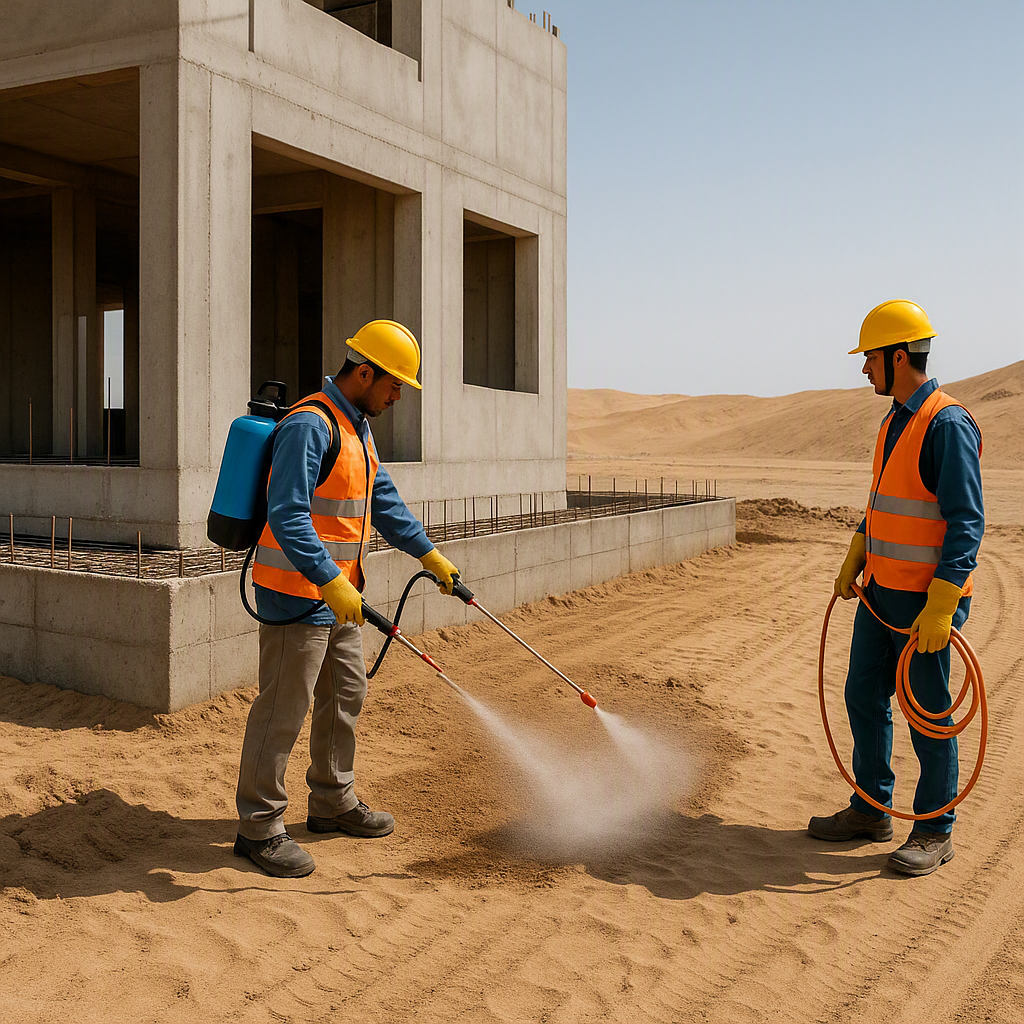
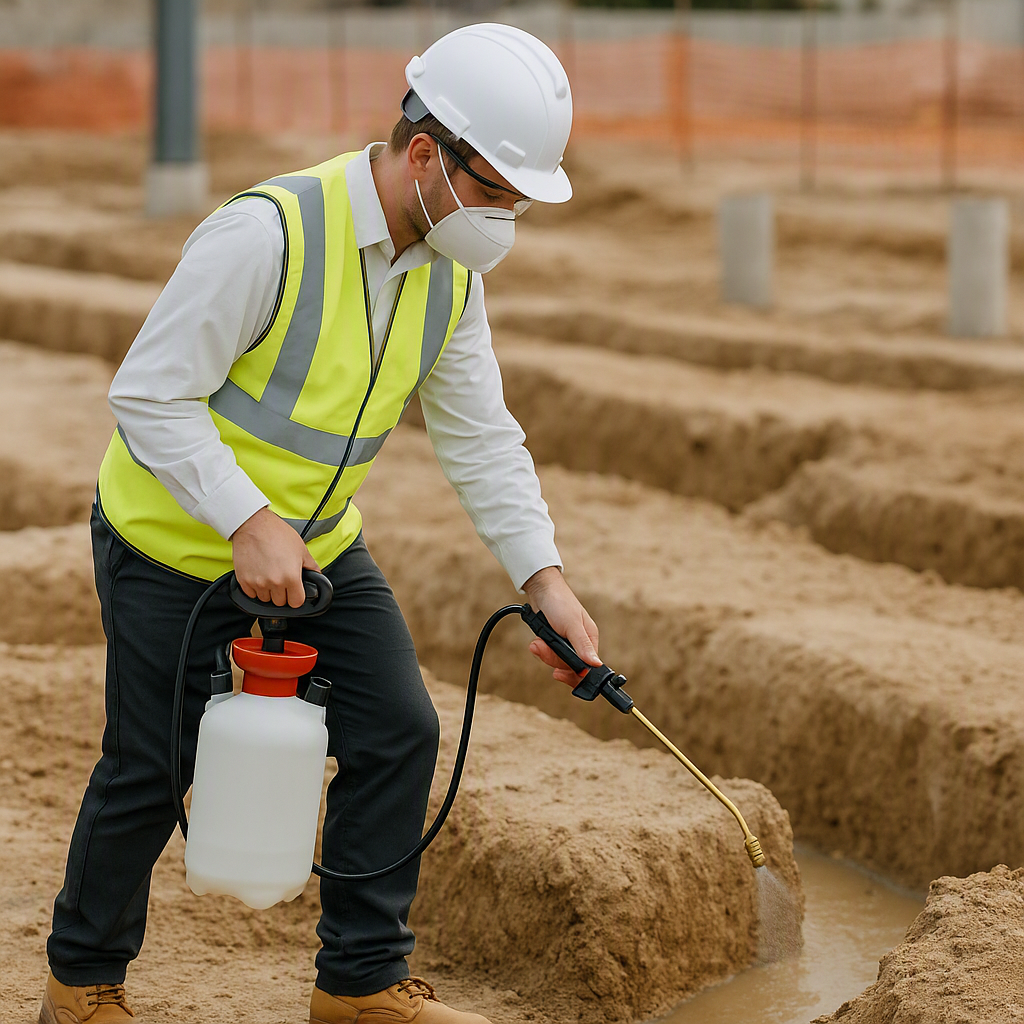
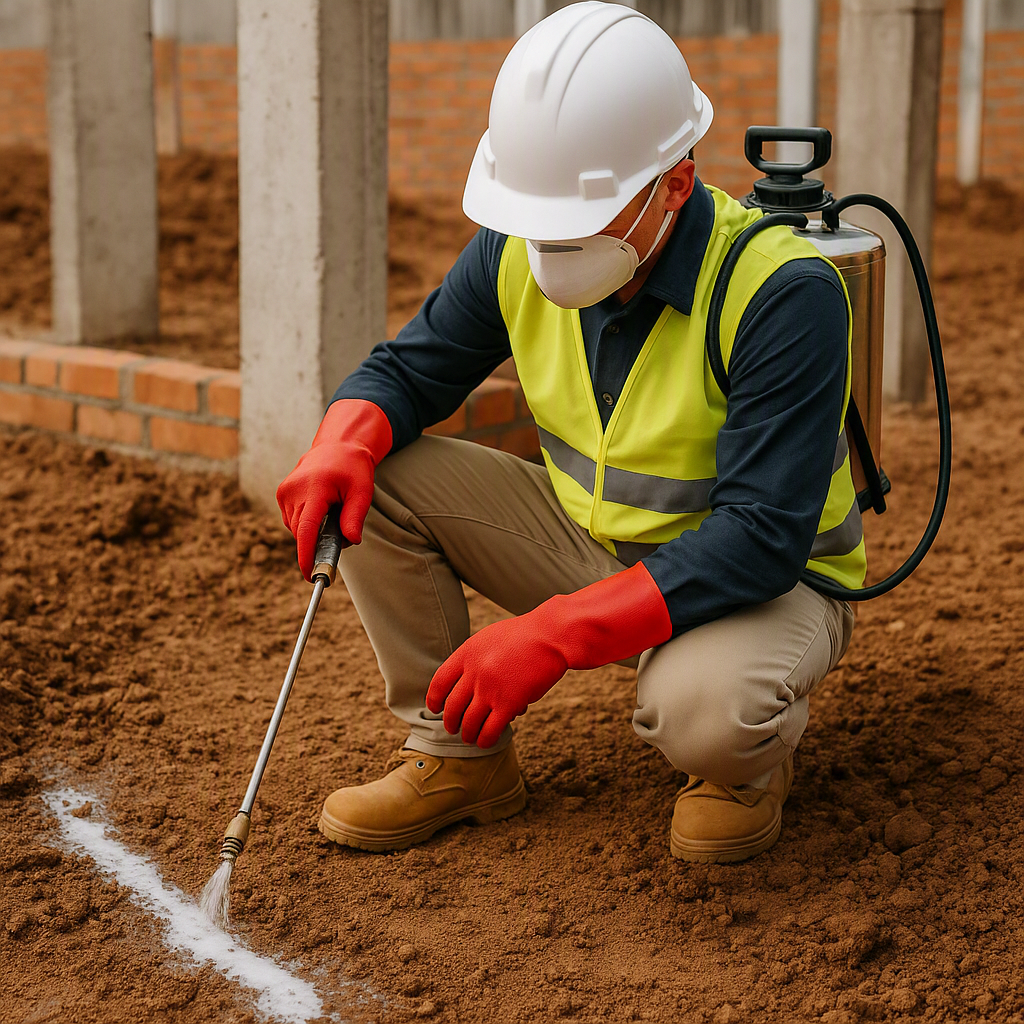
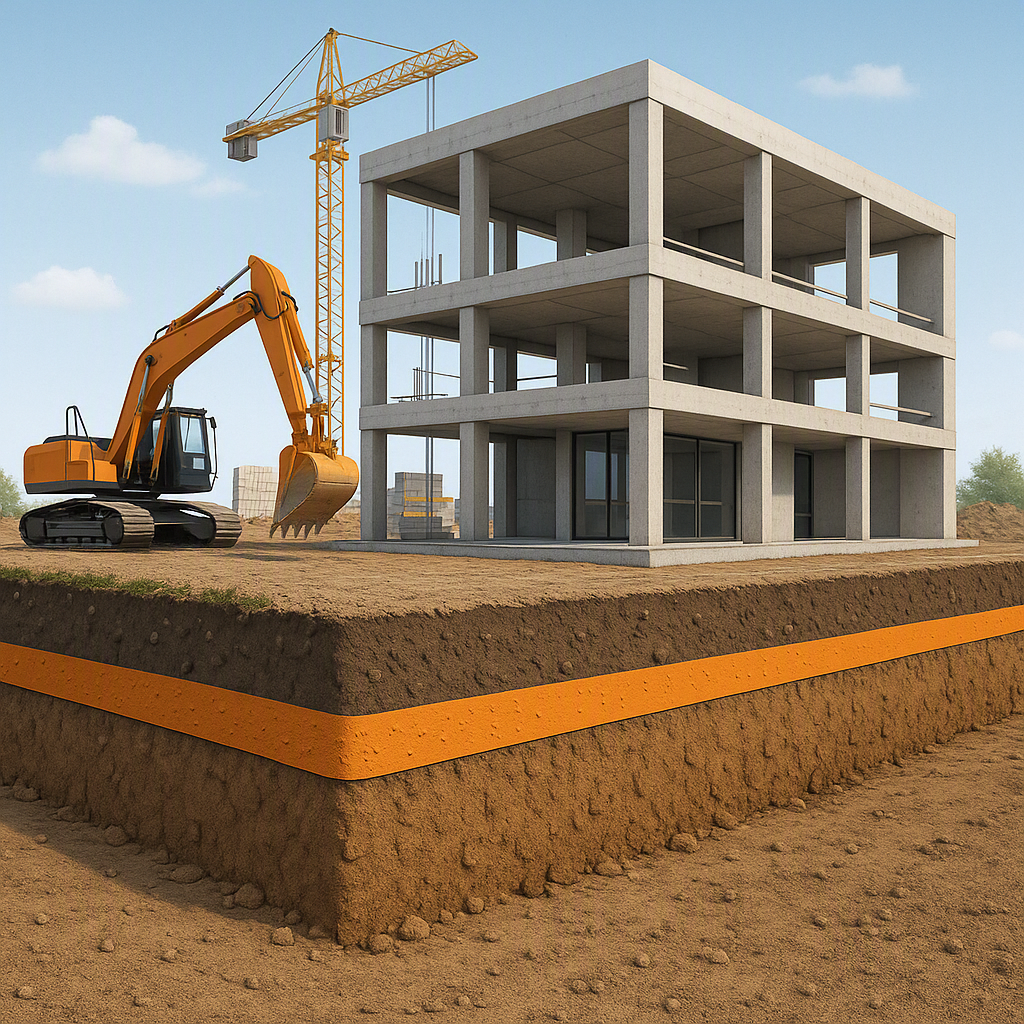
Pre-construction termite treatment involves applying termiticides to the soil before the foundation is laid. This creates a chemical barrier that deters termites from entering the building. The treatment is a proactive measure to protect the structure and reduce the likelihood of future infestations.
The Role of Integrated Pest Management (IPM)
Integrated Pest Management (IPM) is a comprehensive approach to pest control that combines multiple strategies to prevent and manage infestations. In termite control, IPM may include soil treatments, baiting systems, regular inspections, and ongoing monitoring. This approach is particularly effective in regions with environmental conditions that are conducive to termite activity.
Addressing Cost Concerns
While pre-construction termite treatment does involve an upfront cost, it is a worthwhile investment. The expense of treating the soil during construction is often far less than the potential costs of repairing termite damage, dealing with project delays, or addressing tenant complaints. Regular maintenance and monitoring can further ensure the long-term protection of the property.
Steps to Effective Termite Protection
- Professional Site Inspection: Start with a thorough inspection of the construction site to identify specific risks. Factors like soil type, construction materials, and building layout should be considered.
- Tailored Treatment Plan: Develop a customized plan based on the inspection findings. This ensures that the treatment is suited to the unique conditions of the site.
- Quality Materials: Use high-quality termiticides that are proven to be effective and long-lasting.
- Regular Maintenance: Schedule periodic inspections and additional treatments as needed to maintain the effectiveness of the termite barrier.
Common Mistakes to Avoid
- Skipping Soil Treatment: Neglecting this step can leave your building vulnerable to termite infestations.
- Using Substandard Products: Ensure that only premium-quality termiticides are used for treatment.
- Ignoring Follow-Up: Regular inspections and maintenance are crucial for long-term protection.
FAQs
Q: How often should I schedule termite inspections?
A: For new constructions, annual inspections are generally recommended. In high-risk areas, bi-annual inspections may be more appropriate.
Q: What’s the difference between pre-construction and post-construction termite treatments?
A: Pre-construction treatments involve treating the soil before the foundation is laid to prevent infestations. Post-construction treatments address existing infestations and may require more invasive methods.
Q: Can I do termite treatment myself?
A: It’s not advisable. Professional termite control services use specialized materials and techniques that are more effective than DIY solutions.
Conclusion
If you’re involved in a construction project in Oman, termite control should be a priority. Pre-construction termite treatment is a proactive step that can save you from significant costs and headaches in the future. By investing in professional services and adopting an Integrated Pest Management approach, you can ensure the long-term safety and durability of your building.